In the current macroeconomic climate, characterised by persistently high interest rates, traditional risks such as market, credit and liquidity are making a comeback. Alongside these, a new array of challenges--including technology, sustainability and environmental, social and governance (ESG), geopolitical issues and operational risks-- demand increased vigilance from risk managers, said PWC Luxembourg in its latest risk report. Published on Monday 26 February, the report aims to equip stakeholders within the financial sector, especially in the asset management industry, with the necessary risk management tools to navigate and capitalise on the adversities and opportunities presented by the current macroeconomic and geopolitical climate.
The report underscored the continued vulnerability of the global financial sector to unforeseen ‘black swan’ events, despite the introduction of robust regulatory reforms following the global financial crisis of 2007-2009. This period of “extreme stress in global financial markets and banking systems” serves as a backdrop to today’s multifaceted challenges, including both traditional and novel risks, stressing the importance of proactive and principles-based risk management processes, stated PWC.
Building on its global risk survey, published in November 2023, the report elaborated on the evolution of risk management from the post-cold war era to the present, through various economic upheavals such as the Dot.com bubble, the European sovereign debt crisis and the covid-19 pandemic, to the current Russia-Ukraine conflict.
PWC emphasised that risk management should transcend mere compliance, urging asset managers to adopt a proactive stance. It suggested that risk managers in the fund industry need to ensure good governance and maintain open channels of communication, while also keeping abreast of emerging risks related to geopolitics, ESG factors and technological advancements.
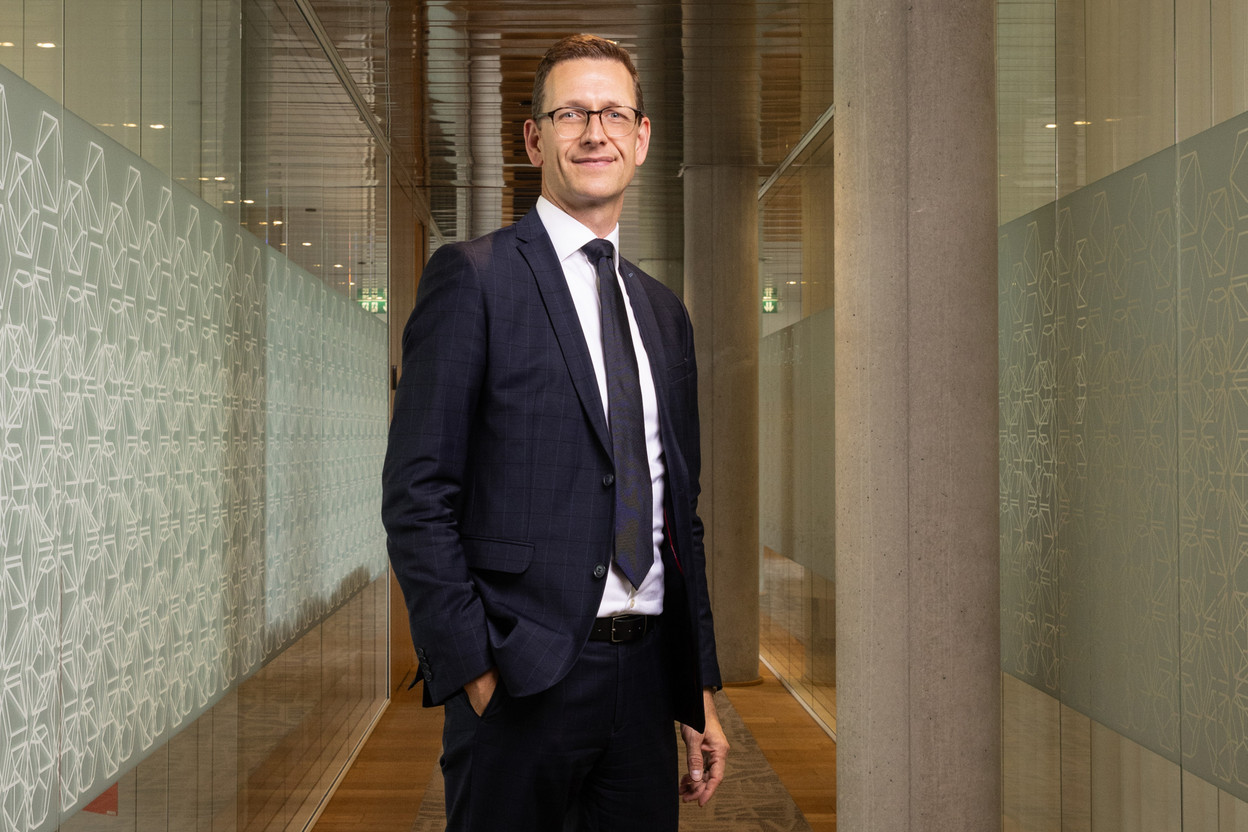
Benjamin Gauthier, a partner at PWC Luxembourg, advocated for asset managers to leverage the current “turbulent macroeconomic and geopolitical context” as an opportunity to reassess and enhance their risk management frameworks. He suggested the adoption of various risk assessment methods, including reverse stress testing, to bolster resilience and prepare for potential future shocks, thereby enabling firms to seize new value creation opportunities.

The full report is available here.