(The heads of the MRMC and Écolo party lists were also approached, but did not respond to our requests for interviews).
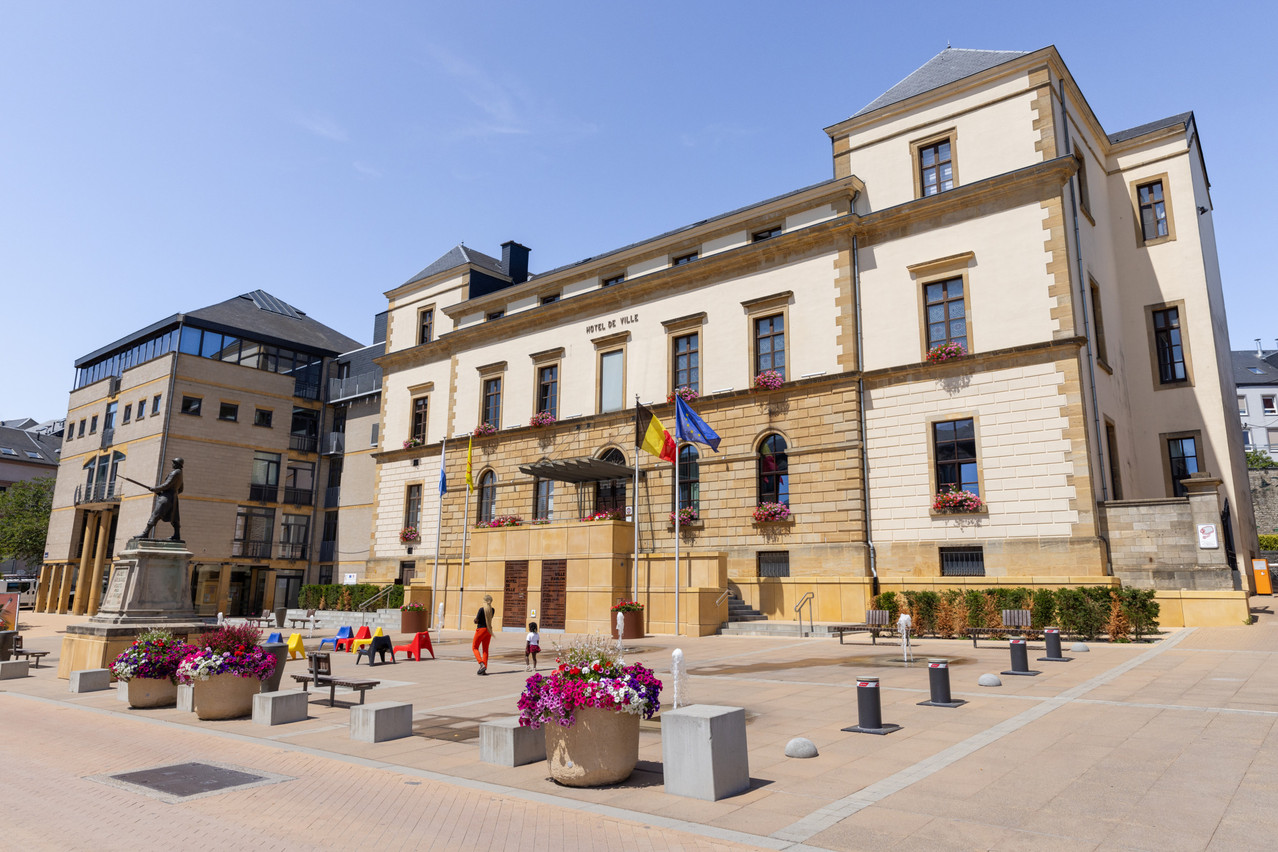
At the last municipal elections, in 2018, the list of outgoing mayor Vincent Magnus (Les Engagés) won almost 40% of the votes cast by Arlon voters. “We currently have twelve seats on our Arlon 2030 list, the MRMC has six, the Écolo seven and the PS three. With the good work we’ve done, I hope to make further progress.”
Magnus chose to form a coalition with the MRMC. “We get on well and I think we’ve done a good job, but we'll have to see what the results say. Arlon has already seen coalitions with the PS, but in 2018 they lost half their seats. We need to listen to what the voters are saying. Democracy is all very well, but you have to respect it.”
And although Écolo had obtained almost the same result as MRMC, the coalition’s choice fell on Alain Deworme’s party, “because I had a major project that was close to my heart--the Espace Léopold--and the Écolo were not prepared to follow me in that.”
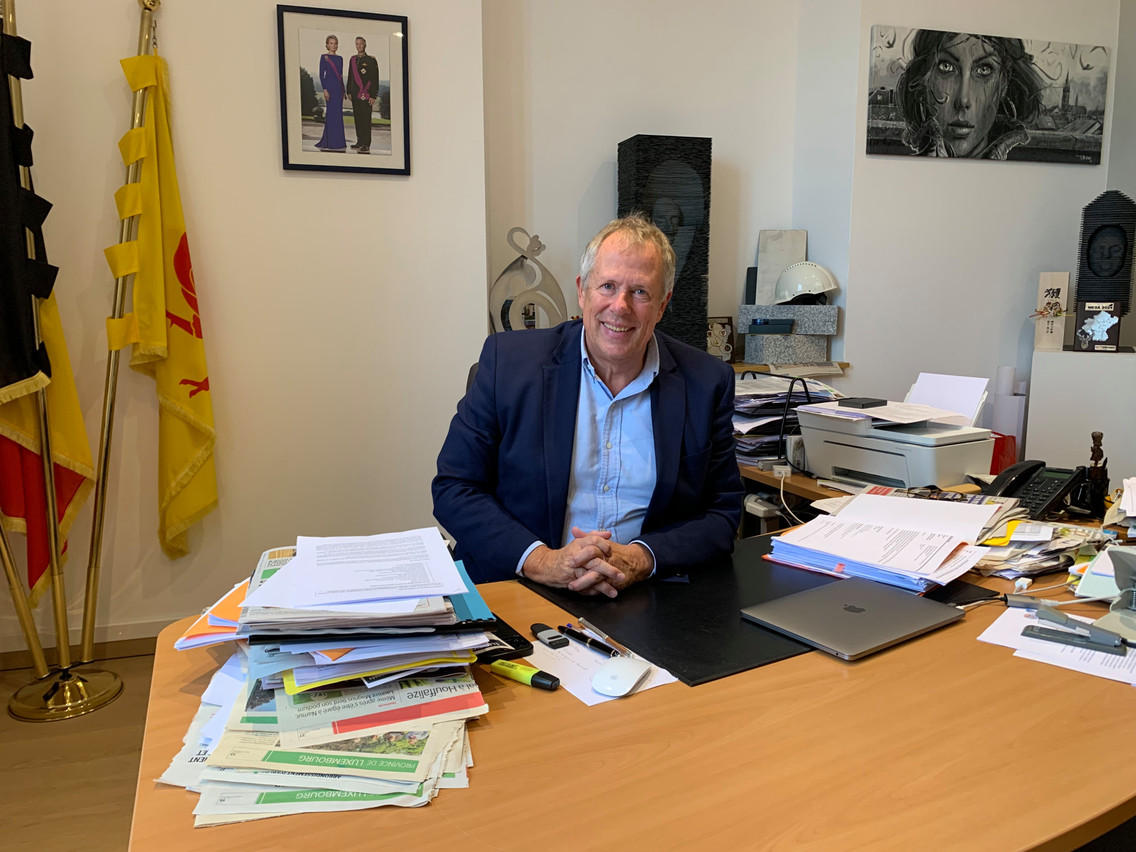
“The proportion of cross-border commuters in our population has risen sharply in recent years, because when I arrived twelve years ago we were talking about 55%,” says Vincent Magnus, the mayor of Arlon. Photo: Ioanna Schimizzi/Paperjam
55% cross-border commuters in 2012
Arlon has a population of 31,200, 70% of whom are cross-border commuters. Some of the lists for the forthcoming local elections on Sunday 13 October include several candidates who are cross-border commuters. “Ten out of our 31 candidates are cross-border commuters. The proportion of cross-border commuters in our population has risen sharply in recent years, because when I arrived twelve years ago we were talking about 55%.”
And the constant influx of these new Arlon residents is having an impact on the community, particularly in terms of property prices. “It’s obvious that property prices in Luxembourg have become so high that it’s still bearable for Luxembourgers to come and buy in Arlon. But on the other hand, for Belgians who work in Belgium or single-parent families, it’s almost impossible to find a place to live here in Arlon.”
The town’s latest figures list 622 Luxembourger residents, “a phenomenon that was virtually unheard of ten years ago, and which is now happening,” says Magnus. “Over 10 years, prices have risen by 45%, which obviously poses problems for our population. At the same time, we need to stop or slow down the artificialisation of the land, because we need to group housing together, and at the same time ensure that we can continue to offer quality housing so that prices don’t completely explode.”
Arlon, a dormitory town for the PS
To achieve this, the current coalition has made it a priority to eliminate “blighted areas, places that had been completely neglected for several years, such as the former officers’ mess on Rue Molitor, where some sixty flats have been refurbished. Of course, we have no control over property prices, except when it comes to setting property clauses. We have also introduced taxes on unoccupied buildings, when an owner does not renovate or restore his building. In 2016, we had 23 taxes that brought in €33,000; in 2023 we have 110, for €232,000 for the municipality.”
For the years to come, if his Arlon 2030 list is re-elected as leader of Arlon, Magnus is already thinking about other projects, such as continuing to tax unoccupied buildings, providing a legal framework for shared accommodation, and thinking about a new type of housing, such as tiny houses. “The municipality also still has land that we could sell to build property under shared ownership, for example.”
For Charles Coibion, head of the Socialist Party list, “it’s not the number of cross-border commuters among the candidates that proves a party’s interest in these issues [there are two of them on the ‘PS-Citoyens’ list, editor’s note]. For us, the real problem is that Arlon is a dormitory town, and this is something that the current mayor is unable to say. But we have to face the truth: the inhabitants of the municipality who live across the border prefer to go out in Luxembourg rather than in Arlon. We need to regain our dynamism. The Espace Léopold project is good, but it’s not enough,” he points out.
Viville P+R still waiting
The 34-year-old federal secretary of the PS Luxembourg criticises the outgoing coalition for “standing still and maintaining the status quo. The tax on empty homes is fine, but it needs to be increased to make it more of a deterrent. We need a price scale to control rents. And there needs to be more security in the streets at night. There are no street lights at night, it’s not safe at all.”
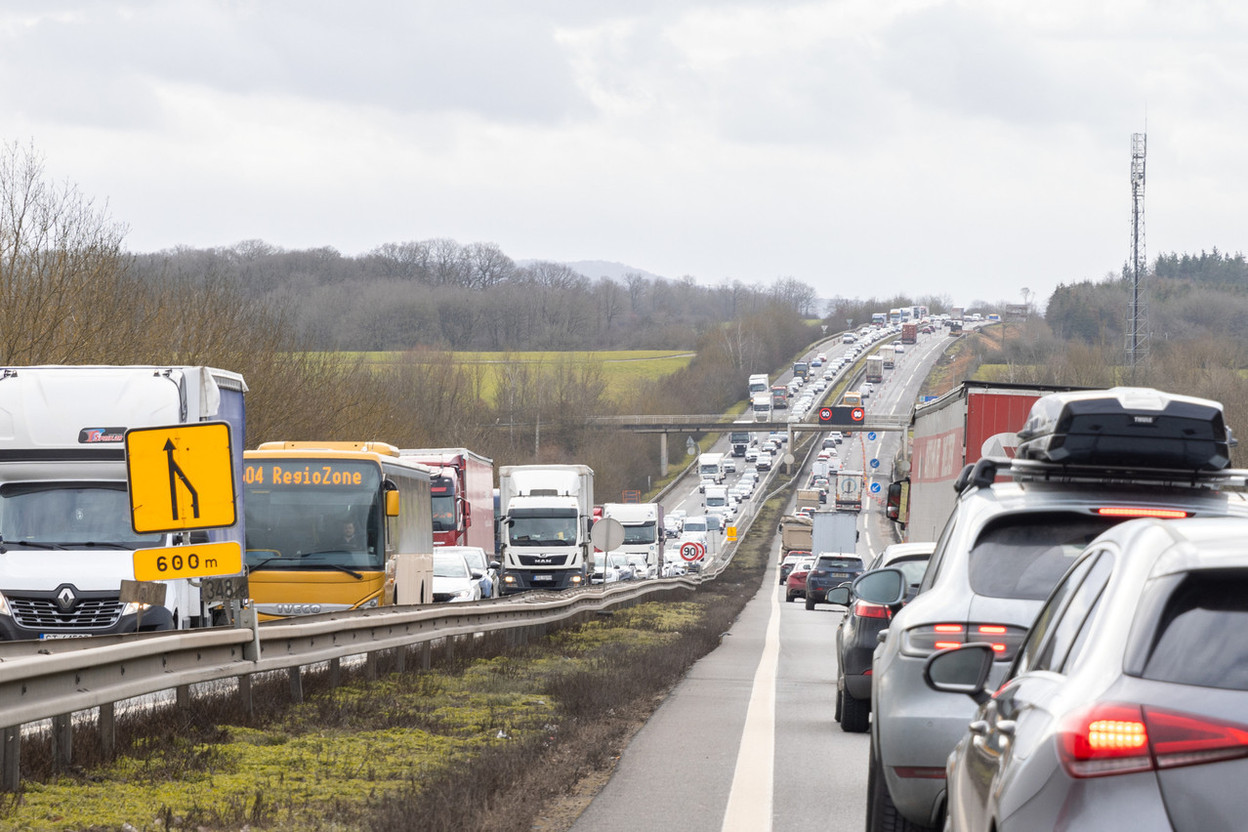
Another key issue for Arlon’s cross-border commuters is mobility. While Magnus praises a number of cycling projects involving a minority of cross-border workers who cycle to Luxembourg, he admits that the bulk of journeys are made by car or train. “As far as cars are concerned, Belgium has tried to create a car-sharing lane on the E411, but it wasn’t a great success. I regretted that it stopped at the Luxembourg border, and that there wasn’t more thought given to the issue between the two countries.”
For Magnus, the only way to solve this problem is by train. “Especially as public transport in Luxembourg today is free, with a high-quality infrastructure including buses and a tram at Luxembourg City station. A few years ago, we received the former mobility minister, François Bausch, and showed him the famous Viville-Stockem site [located two kilometres from Arlon’s city centre, editor’s note], where there is a train stop, a track crossing and a large site belonging to the SNCB next door. We’ve been talking for years about a P+R project that still hasn’t seen the light of day. But we’ve got buses next door. It’s a real multimodal hub and the CFL are ready to take the train that already goes to Arlon as far as Viville.”
“Promoting Arlon beyond our borders”
The mayor regrets that he “doesn’t have any control over the matter. Things are decided at regional and federal level, but also at SCNB and Infrabel. The SNCB car park is full at Arlon, and several hundred people are on the waiting list for a season ticket, so it’s a real problem. I can ‘shout’ as I like, and I do from time to time to shake them up a bit, but I’m not the one who can make the decisions, but it’s my town that’s paying the consequences. We need a solution, and the worst thing is that we’ve got it, but we need a bit of money and the political will,” continues Magnus.
For Coibion, the current mayor of Arlon “isn’t doing enough. Of course, he’s not the one who can make the decisions, but he’s not going to fight hard enough for the municipality in Brussels. We’re too much inward-looking, when what we really need to do is promote Arlon beyond our borders.” And while his party suffered a real setback at the last communal elections in 2018, “at the regional elections last June, we achieved more than 28% in the canton of Arlon. That gives us some prospects.”
We’ll see how things turn out on Sunday 13 October.
This article was originally published in French.