Households should not suffer from the explosion in energy prices. In the tripartite agreement reached on 20 September, being signed on Wednesday 28 September, the government has provided for a freeze on electricity prices for the whole of 2023 and a limit on the increase in the price of gas to 15% above the average price in September from 1 October.
But what about companies? “The tripartite does not put a price cap on industrial companies or SMEs," says Encevo CEO 
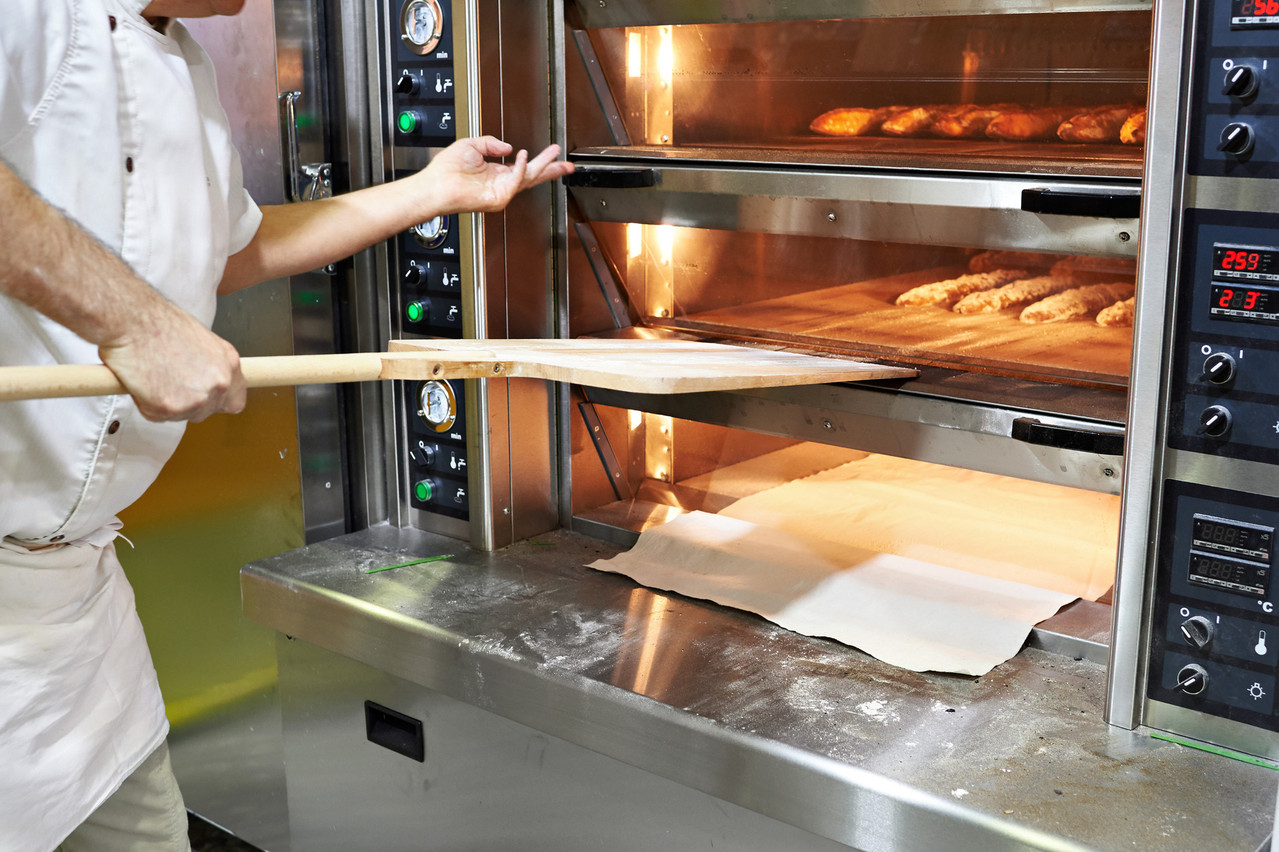
The situation could have a negative impact on small businesses or craftsmen. As illustrated by the well-publicised example in Belgium of a bakery forced to close down after seeing its energy bill rise from €1,860 to €11,836. In Luxembourg, Enovos had forecast a 77% increase in energy prices as of October (before the cap was announced).
Seywert relativises: "It may be that some businesses or SMEs fall into the same category as residential customers. The difference will be based on physical characteristics, such as a certain consumption. Large consumers will not benefit from the cap, but businesses will. So will hotels and restaurants.”
A consumption limit of 25 megawatts per year
The cap "only applies to customers who consume less than 25 megawatts per year. As a rule, the companies concerned consume more," says Luc Meyer, president of the Federation of Craftsmen (FDA). According to a French electricity price comparator, a bread oven consumes 74 megawatts/year. Engie reckons about 99 megawatts. Still much more than 25.
When questioned, 


Neither ministry has confirmed that the price cap would only concern companies. "I can't tell you the content of the agreement that will come out this afternoon," said a spokesperson for the energy ministry.
The document detailing the tripartite agreement, which Paperjam and Delano received after the publication of this article, confirms the limit of 25,000 kWh per year for the electricity price freeze. It also specifies that the capping of the increase in the price of gas applies to all customers with meters of a maximum hourly flow less than 65 cubic meters. This automatically excludes large businesses, which consume more. Does this mean that small businesses will be able to benefit from the cap despite EU rules on direct state aid to businesses? “The energy issue will be discussed in Brussels,” Olinger simply replied.
This article was first published in French by Paperjam and has been translated by Delano.