Despite the current inflation in the country, fair trade is seen as a matter of course by a large majority of residents, according to the latest TNS-Ilres survey carried out for the NGO Fairtrade Lëtzebuerg among 1,037 people and published on Tuesday 28 April. 77% believe that choosing fair trade should be “a logical and responsible choice”. This widespread support cuts across economic cycles, even in a context of pressure on purchasing power.
This momentum is also reflected in the figures. In 2024, average per capita spending on Fairtrade-labelled products reached €85, which is €6 more than a year earlier. The market is following the same trajectory, with growth of 10%, bringing total turnover to €57.2m. This growth confirms that the commitment shown is not merely theoretical.
The message is all the more powerful because it runs counter to a society described as increasingly materialistic. Here, the values of solidarity and fairness endure. Fair trade is becoming firmly established in people’s habits, driven by near-universal awareness. 96% of residents have heard of it, and 94% recognise the Fairtrade label. Behind this recognition lies a genuine understanding of the issues at stake. Three quarters of those surveyed associate the label with the prohibition of child or forced labour, and 71% with the guarantee of a minimum price for producers. The social promise remains the main driving force, even though environmental considerations are gaining ground.
Price as the main obstacle
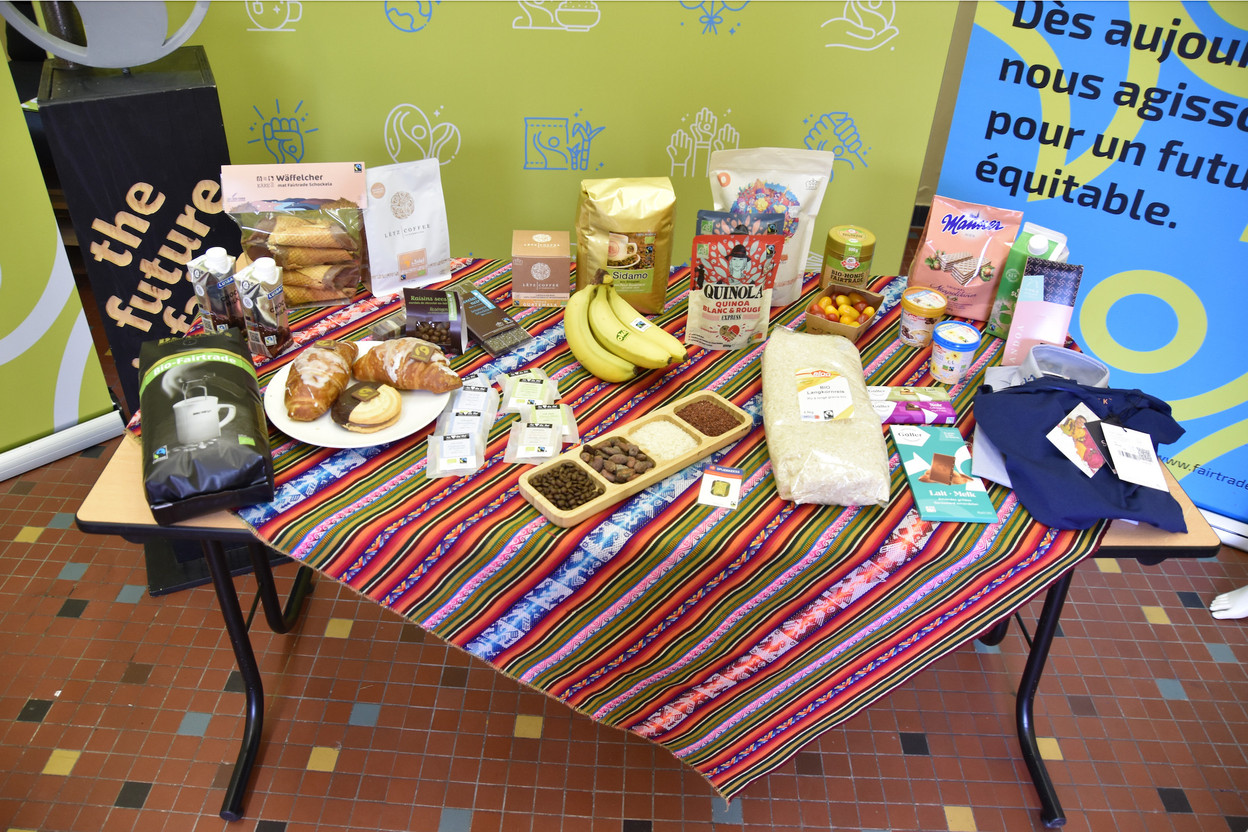
Trust follows. 61% believe that certified products meet the stated criteria, a figure that remains stable despite growing scepticism towards labels in general. The independent certification model, based on international standards, plays a key role here in maintaining credibility. In practice, this trust translates into action. Three in four households consume “Fairtrade” products, with the top three remaining unchanged: chocolate, coffee and bananas. Everyday products that anchor fair trade in routine rather than symbolism.
The motivations are crystal clear. “A fair price for producers,” cited by 49% of respondents, is by far the most common reason, ahead of the fight against human rights abuses. This is a logic of direct impact, where the act of purchasing becomes a lever for change. Indeed, 77% of residents claim this role of “consum’actors”. But commitment has its limits. Price remains the main obstacle. Nearly a quarter of non-buyers consider the products too expensive, and 17% say they cannot afford them. More than a rejection of the products, it is a budgetary constraint that is holding back growth.
Beyond individuals, expectations are shifting towards institutions. Nine out of ten residents believe that public bodies should also buy fair trade products. And 41% go further, calling for systematic use wherever possible. This represents clear pressure to bring words and actions into line.