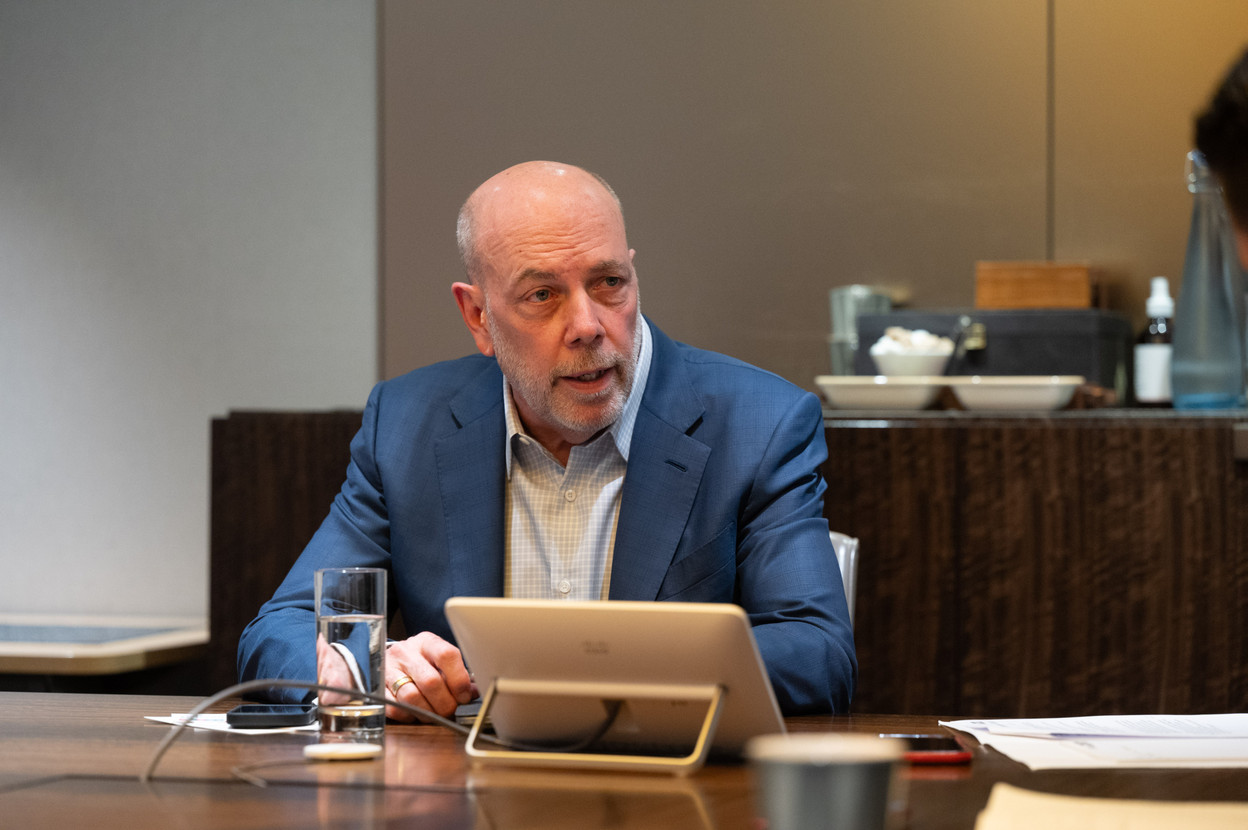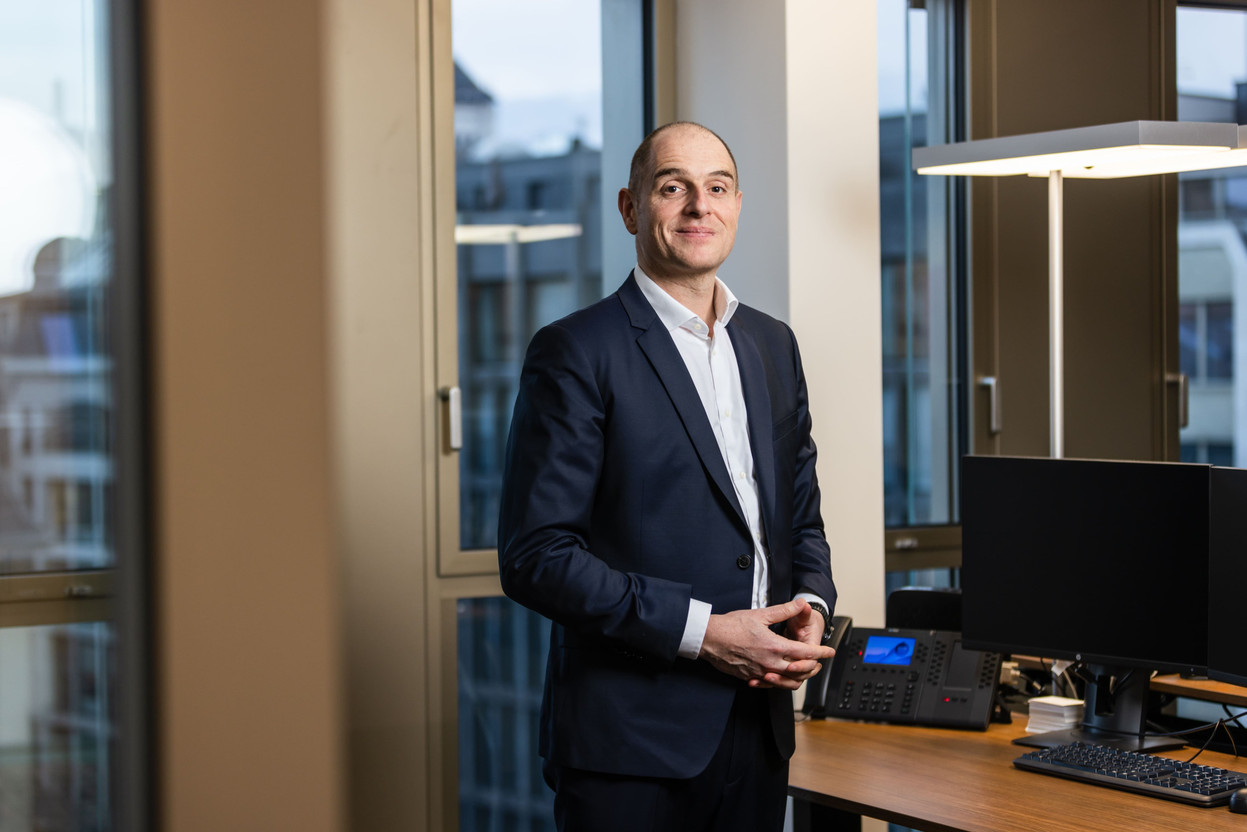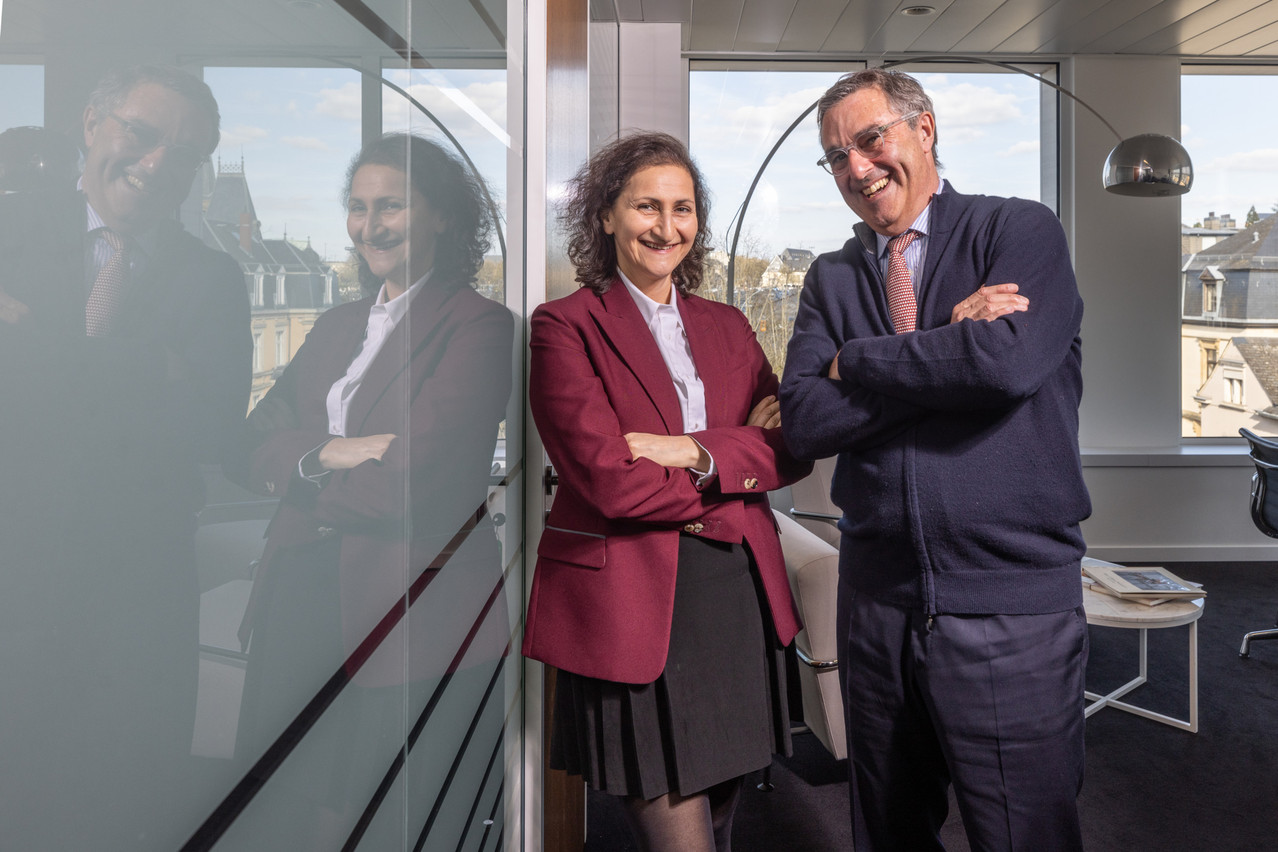
“We are active managers and return is the first priority,” said Rose Ouahba, managing director and head of distribution and marketing at Carmignac, a fund firm with €30.3bn in assets under management as of 31 December 2023. She recently took over from Eric Helderlé, who announced his retirement in March 2024 while remaining an administrator of the group.
Second, Ouahba told Delano during a recent interview that the firm maintains “core strategic positions” for its distribution network which include wealth advisors, independent insurance agents and financial advisors. Finally, Carmignac plans to come up with a private asset product in the foreseeable future.
The firm has also developed some wholesale channels serving insurance and banking groups under an open architecture, with its funds carrying the Carmignac name “at all times.” It is active with some “institutional investors but not necessarily the biggest ones given their focus on mandates akin to ETFs [exchange-traded funds]” on fees, noted Ouahba.
Keeping up to speed with technological developments, Helderlé commented that some of their funds are now on the Iznes platform for blockchain transactions. He admitted that Ucits funds, in general, are currently not adapted to the recent technological developments and may require some review.
To support Carmignac’s strategic focus, Ouahba suggested that the management structure is “quite lean, making them agile to ensure quick decisions and implementations.” Corrective measures are implemented promptly upon ill-advised decisions.
Active ETFs: the way to go?
“Tracking error is where we can add value,” stated Helderlé. He argued that the concept of “diversified investment management” is not “well covered” by passive investments. He explained that Carmignac’s active management is based on convictions enabling it to overweight a sector that is attracting little attention by large indices.
Active managers such as Carmignac must identify market segments where passive management is not performing

Ouahba thinks that the expertise of Carmignac lies in the identification of large risk premium during market dislocations, such as with the cruise line Carnival during the covid-19 crisis or when the oil sector was in the doldrums in 2015. In normalised markets, she believes that her firm can capture “complexity premium” when investing, for example, in contingent convertible securities from banks or collateralised loan obligations.
The concept of “Patrimoine” has been Carmignac’s way to go
Ouahba explained that the Carmignac Patrimoine fund (€7.9bn assets under management as of 31 December 2023) has been the largest “diversified fund” in Europe thanks to its high mark in 2008 with a performance at around 0%. This was not a small feat given the disastrous returns across Europe and investment style or size (Europe Equity Income: -41.1%, Europe Large-Cap Blend Equity: -43.3%, Europe Small-Cap Equity -50.4%) according to Morningstar Direct. This “concept fund” has been the generator of many offshoots from peers with “Patrimoine” in their fund name.
Elsewhere, Ouahba commented that Carmignac also deviates greatly from indices with a credit product that includes a wide variety of assets such as investment grade and high yield bonds, subordinated debt securities from financial institutions and collateralised loan obligations. Delano understands that many of those underlying securities are not accessible to many retail investors given the required analytical expertise and an elevated minimum denomination.
To thrive, Helderlé acknowledged that “active managers such as Carmignac must identify market segments where passive management is not performing.” He thinks that active ETFs will “certainly make inroads,” but he also noted that private asset investments offer his firm some opportunities as they are “not covered” by the passive investment sector.
Not wishing to avoid the question on whether they will propose active ETFs to their clients, Helderlé noted that they are packaging products as per their needs. On credit securities, he noted their success by selling fixed-maturity funds. “The active ETF structure is not the only attractive structure [in town].”
Dipping its toes in private assets
“Regulators understand that the added value in private assets is in the hands of some happy few among institutional investors and not the retail sector,” said Helderlé. He thinks that the authorities are determined to democratise these investments despite the liquidity issues.
Ouahba explained that the firm has surrounded itself with experts on its payroll while “adding their existing layer of expertise,” i.e., their intimate knowledge of some industries. Carmignac is looking at aligning its interest with those of its clients. She explained that the firm will maintain positions in products sold to clients exposing its own balance sheet. These products could include co-investments with two external partners.
Helderlé thinks that the Carmignac brand carries a reputation of investment management competence delivered in simple and easy to understand products for retail investors, which will overcome its more limited experience in the private asset sector.
Governance: participative structure to some extent
“With €2bn in balance sheet equity, we have the means to maintain our independence when holding on to some positions in which we have strong convictions,” said Helderlé. Contrary to some competitors, he noted that Carmignac has restricted dividend payments to its shareholders to build up strong capitalisation.
Nevertheless, Ouahba acknowledged that the firm needs to perform as it cannot rely on a financial backer. “We have skin in the game…in a merit-based structure… and we are subject to the satisfaction of our [non-captive] clients.” Helderlé added: “You can’t be a shareholder of Carmignac if you are not employee of the group.”
“Through a participation in the capital of the firm, it has been a great experience to feel involved in the core challenges of the company… I have never had the impression that it was [majority] owned by the [Carmignac] family,” said Ouahba. Yet later in the interview, she commented that: “at the end of the day, Edouard [Carmignac] is deciding [on major moves] alongside his daughter, who has been working closely with him for more than 10 years, a situation that may result in some small frustration when decisions are not going your way.”
This article was published for the Delano Finance newsletter, the weekly source for financial news in Luxembourg. Subscribe using this link.