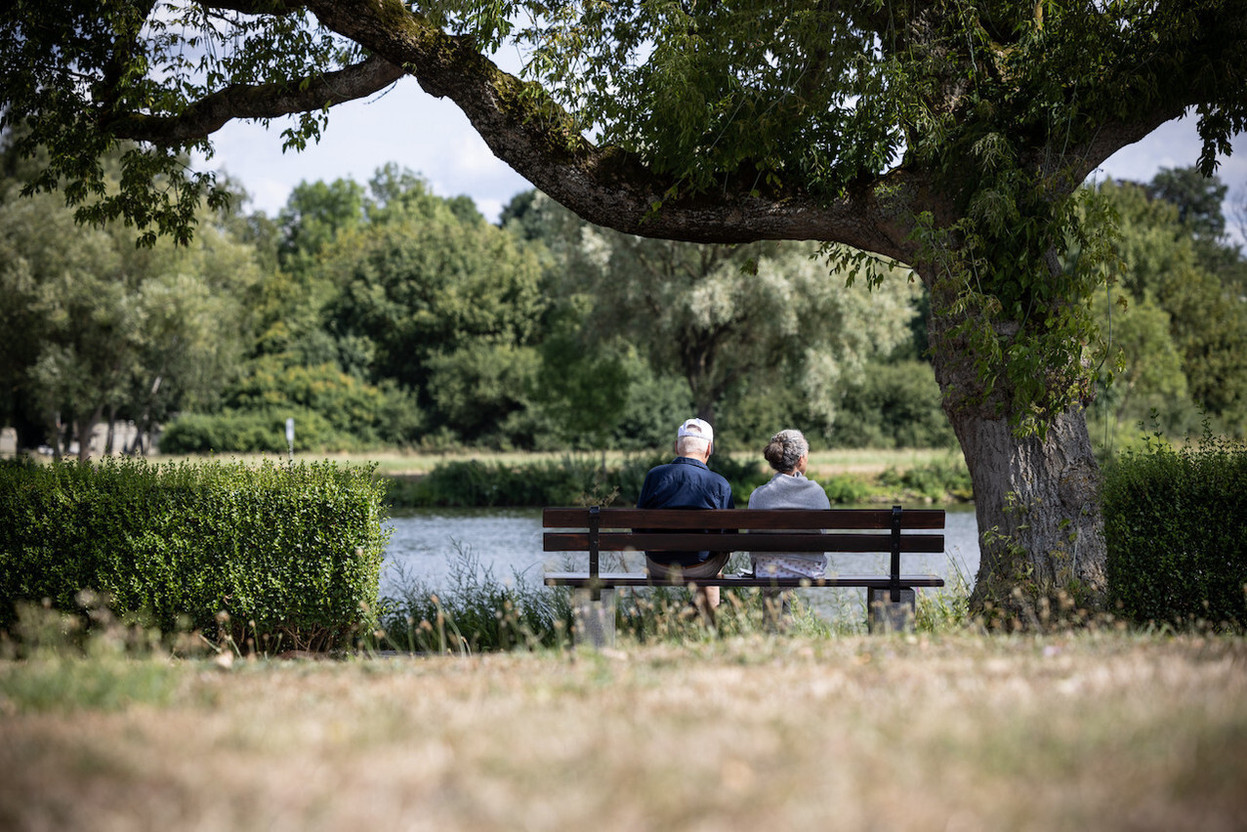
When loved ones pass away or getting about becomes difficult, opportunities for social interaction can become scarce. Loneliness is not, in fact, limited to people living at home: it can also be felt in care homes or hospitals, despite the presence of other residents and care staff.
It is this issue that the Agence du bénévolat (volunteering agency) highlights in a press release published on 8 October. It aims to develop relationship-based volunteering in Luxembourg: regular meetings to listen to an elderly person, get to know them and share moments centred on common interests.
This initiative is set against the backdrop of an ageing population. According to Statec, the number of people aged 65 and over rose by 32% between 2011 and 2021. In 2021, 23.6% of them were living alone at home, compared with 26.7% ten years earlier. Whilst the number of older people has risen, the proportion of those living alone has therefore fallen. However, these figures do not measure the level of loneliness experienced: living alone and suffering from isolation do not necessarily go hand in hand.
The situation also varies according to age and gender. The Statec report ‘Work and social cohesion 2025’, based on the 2021 census, indicates that 38.7% of women aged 85 and over were living alone at home, compared with 23.6% of men of the same age. Women are therefore more likely to live alone in old age.
Consistency in building a relationship
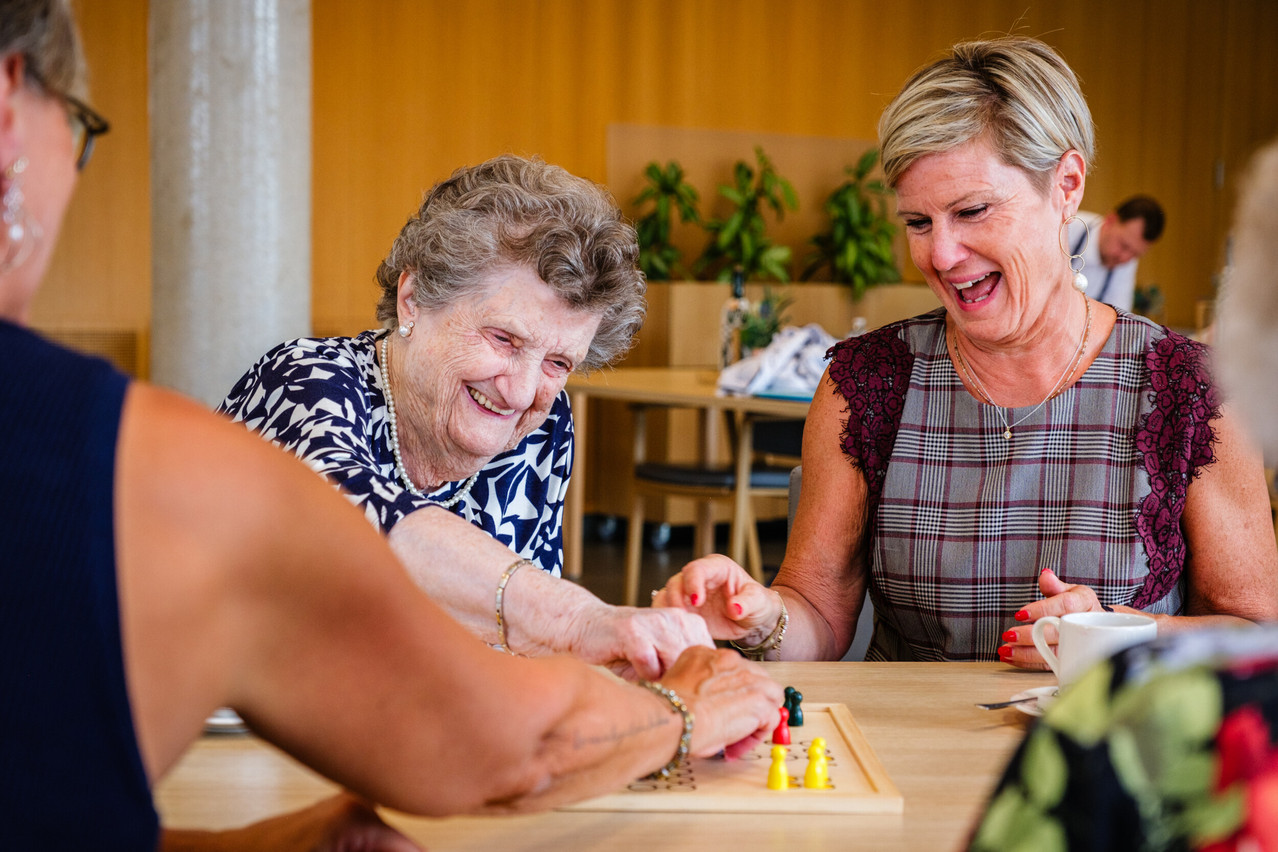
A chat, a walk, a game of cards, a creative workshop: the activities may vary, but the aim remains to build a lasting relationship. “Taking the time to listen to someone, getting to know them and going back to see them: that’s how a human connection is formed,” explains Anne Hoffmann, executive director of the Agence du bénévolat.
Care homes are showing an interest in this approach. In a survey carried out by the agency between April and July 2026, nearly 73% of the organisations that responded indicated that they wished to develop relationship-based volunteering or were considering this possibility. Nearly 76% of the care homes for older people contacted in Luxembourg took part in the survey.
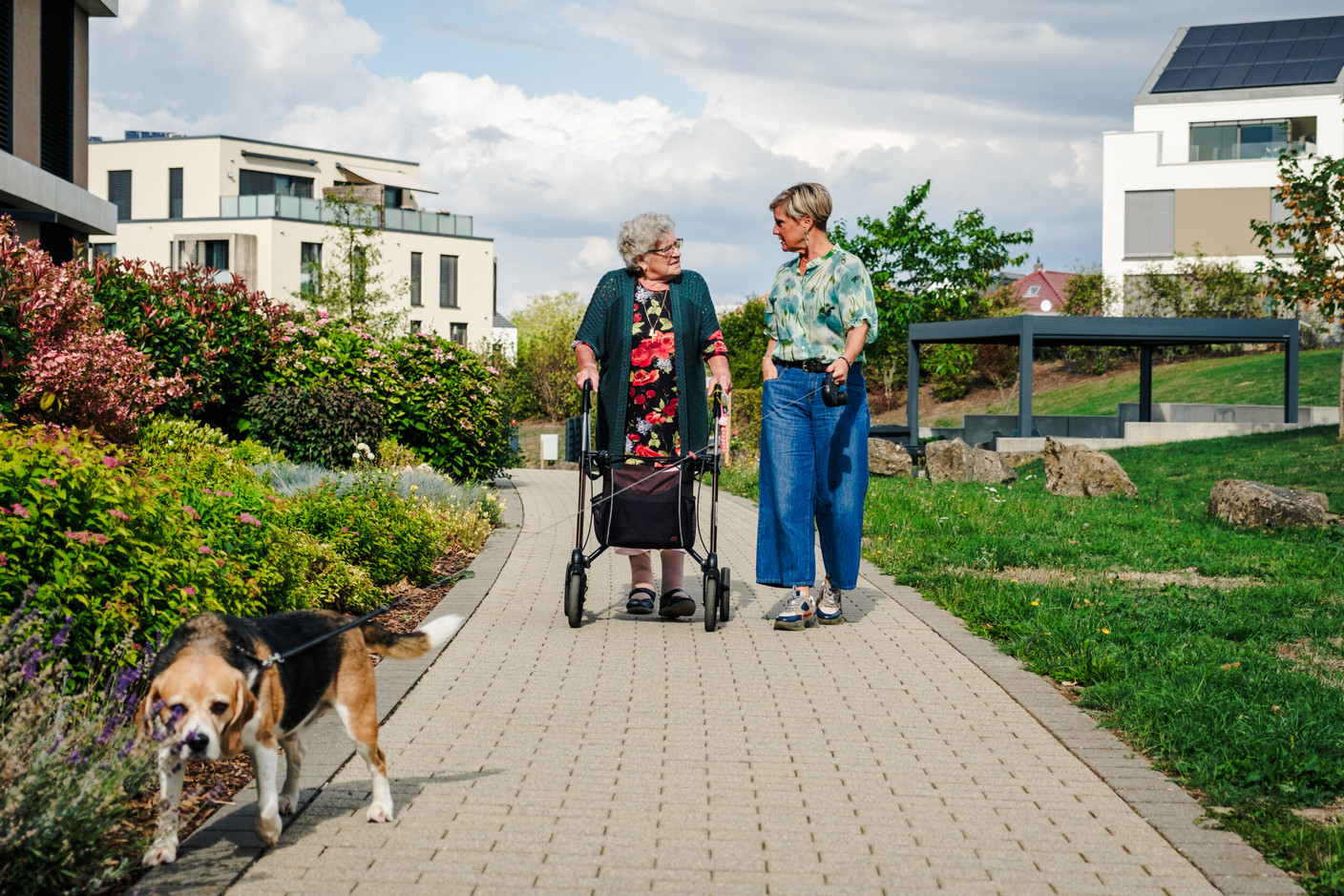
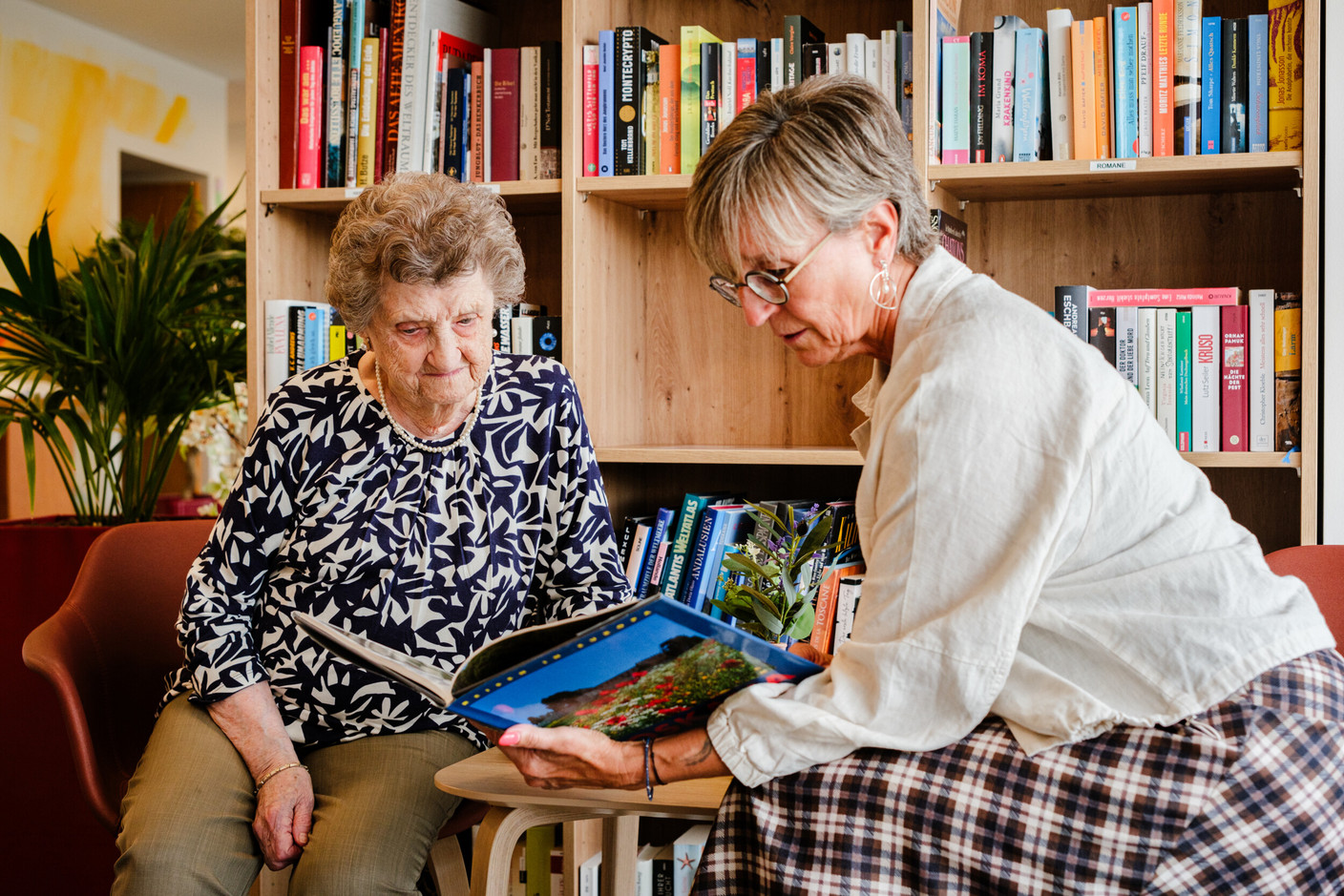
Organising meetings and supporting volunteers
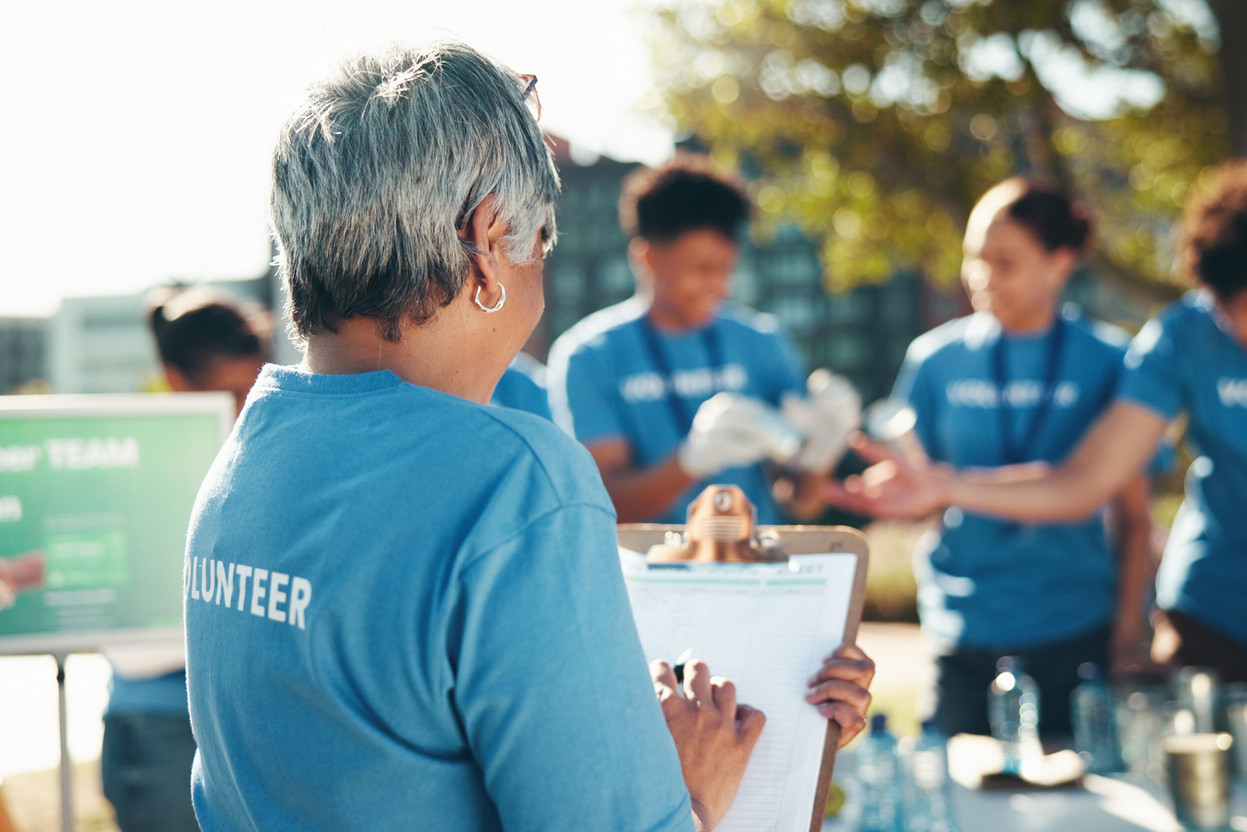
To turn this interest into reality, several steps still need to be organised: defining the volunteers’ roles, finding people who are available, preparing to welcome them and supporting them. The agency offers to advise organisations on these various aspects, whether they are care homes or home care services. Volunteers can be recruited via the platform benevolat.lu, amongst other channels.
These visits serve a different purpose to that of healthcare professionals: they complement their work, without replacing their roles or the care they provide. Their value lies in the time devoted to the meeting and in the continuity of the dialogue.
Anyone wishing to become a volunteer can contact the agency. The agency can also refer older people who would like to receive visits, or their relatives, to suitable schemes, depending on what is available locally.