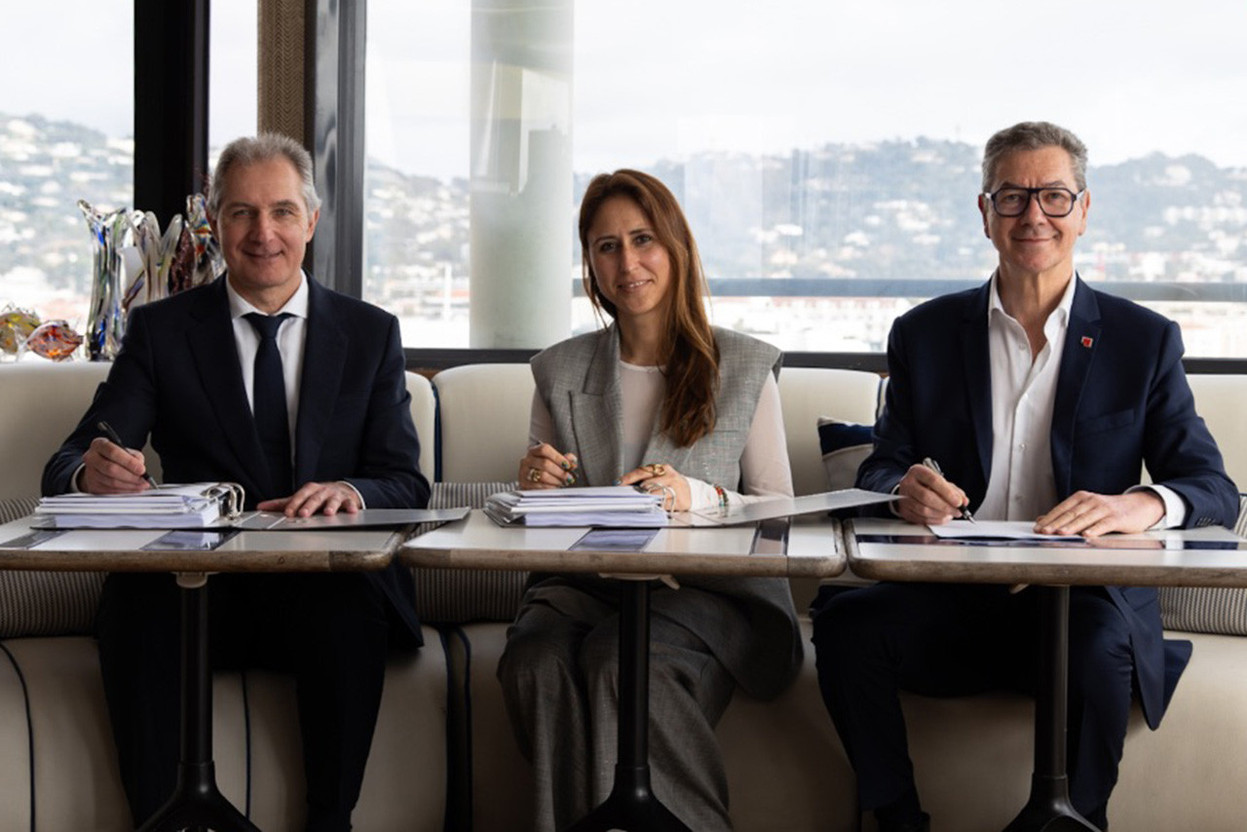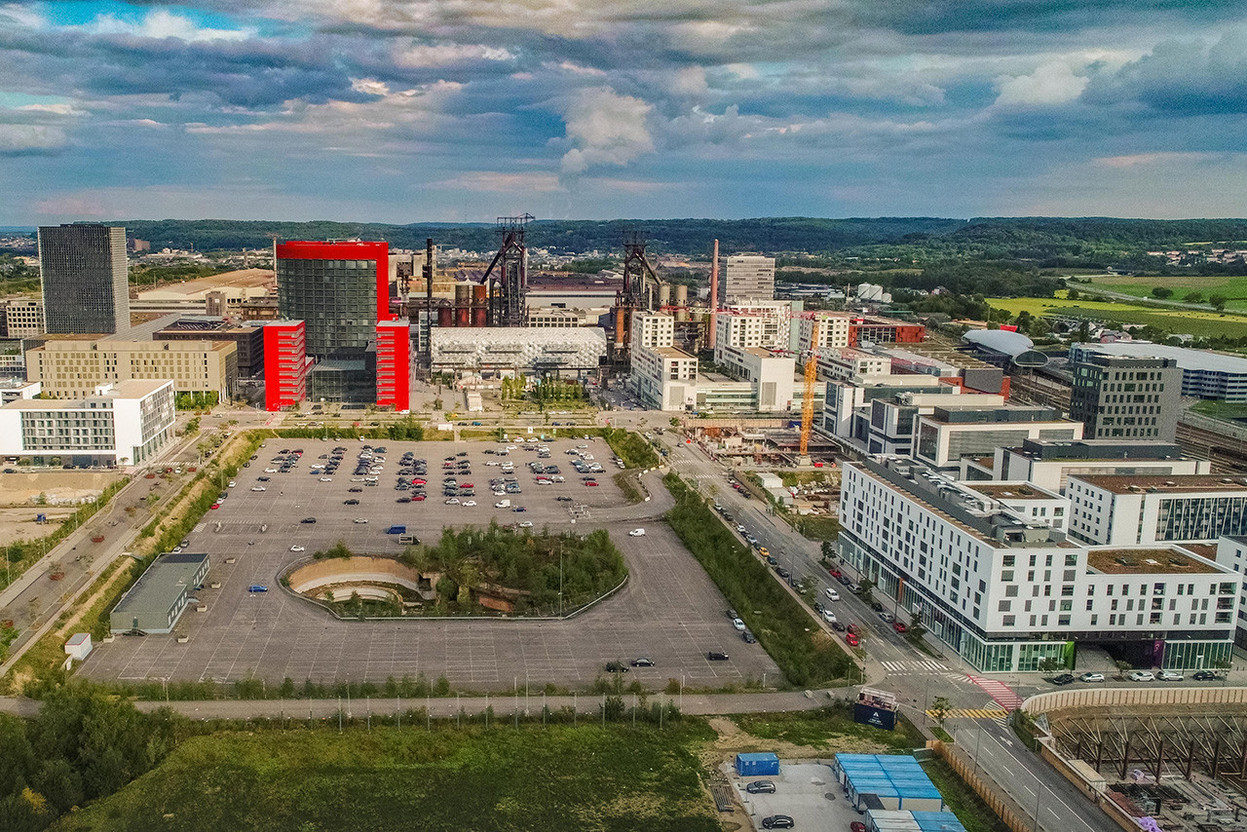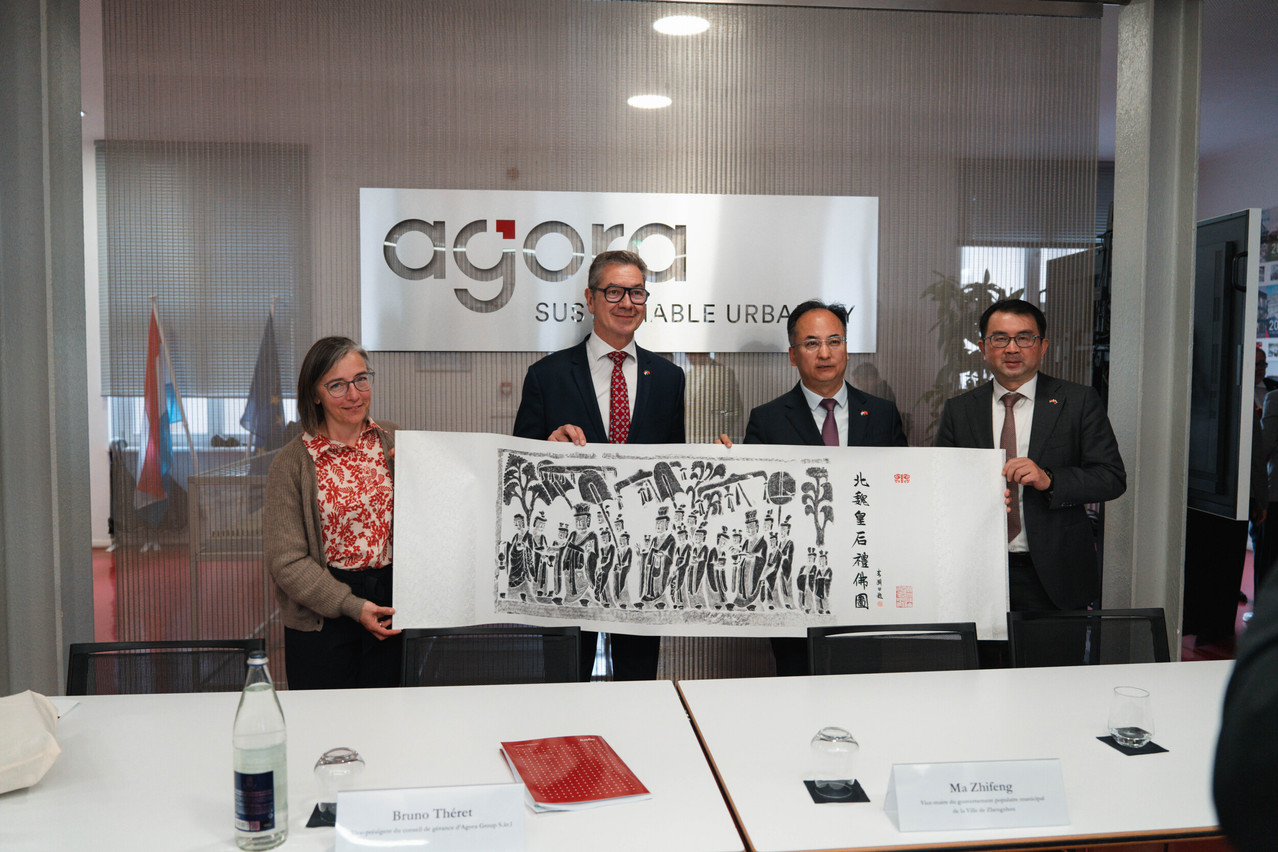
In the heart of Belval, a former steel industry brownfield site that has become a showcase for Luxembourg’s economic regeneration, Pro-Sud and Agora have formalised a strategic partnership with Zhengzhou. A Memorandum of Understanding (MoU), signed on Monday 11 May, lays the foundations for cooperation on key issues such as climate, energy and smart cities. The agreement is non-binding, but it sets out an ambitious roadmap: exchanges of expertise, talent mobility, and sharing of experiences on biodiversity and the circular economy. It is a way for the south of the country to look beyond its borders and capitalise on its open-air urban laboratory.
This rapprochement has not come out of the blue. For over a decade, Luxembourg has been forging close ties with Zhengzhou and Henan Province, particularly in the field of air logistics, with a Chinese investor acquiring a stake in Cargolux in 2014 and the development of the ‘Air Silk Road’. Economic forums, official visits and industrial agreements have followed one another, cementing a structured relationship. The MoU signed in Belval marks a strategic shift: after trade flows and industry, the focus now turns to urban models and regional transformation.
Position Belval as a benchmark
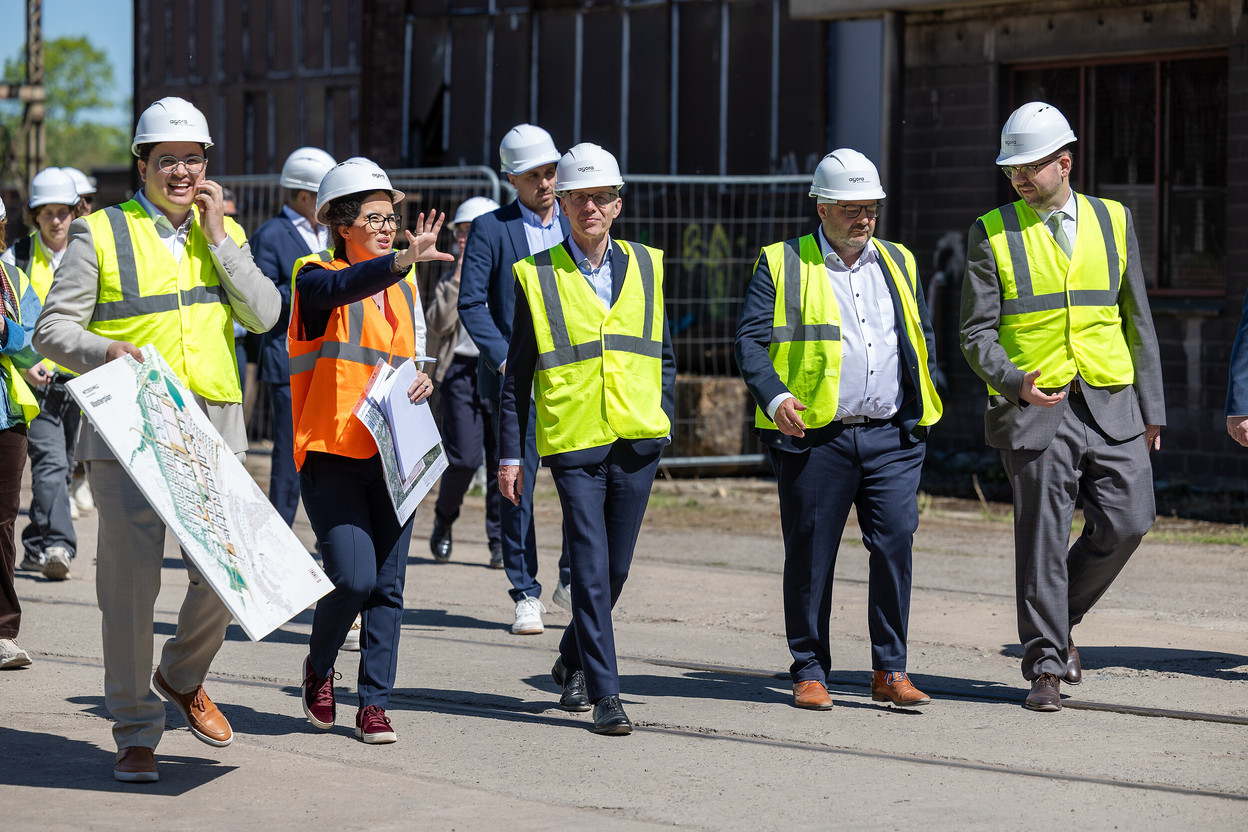
The symbolism is powerful. The Chinese delegation toured Belval, hailed as a model of successful industrial regeneration, taking in the preserved blast furnaces and research facilities. It was a concrete demonstration of what Luxembourg intends to export: a nuanced approach to regeneration, blending industrial heritage with innovation.

Agora, the driving force behind Belval’s regeneration, sees beyond a mere institutional exchange. “An industrial wasteland is never just a legacy to be dealt with: it is a resource,” insists its vice-president