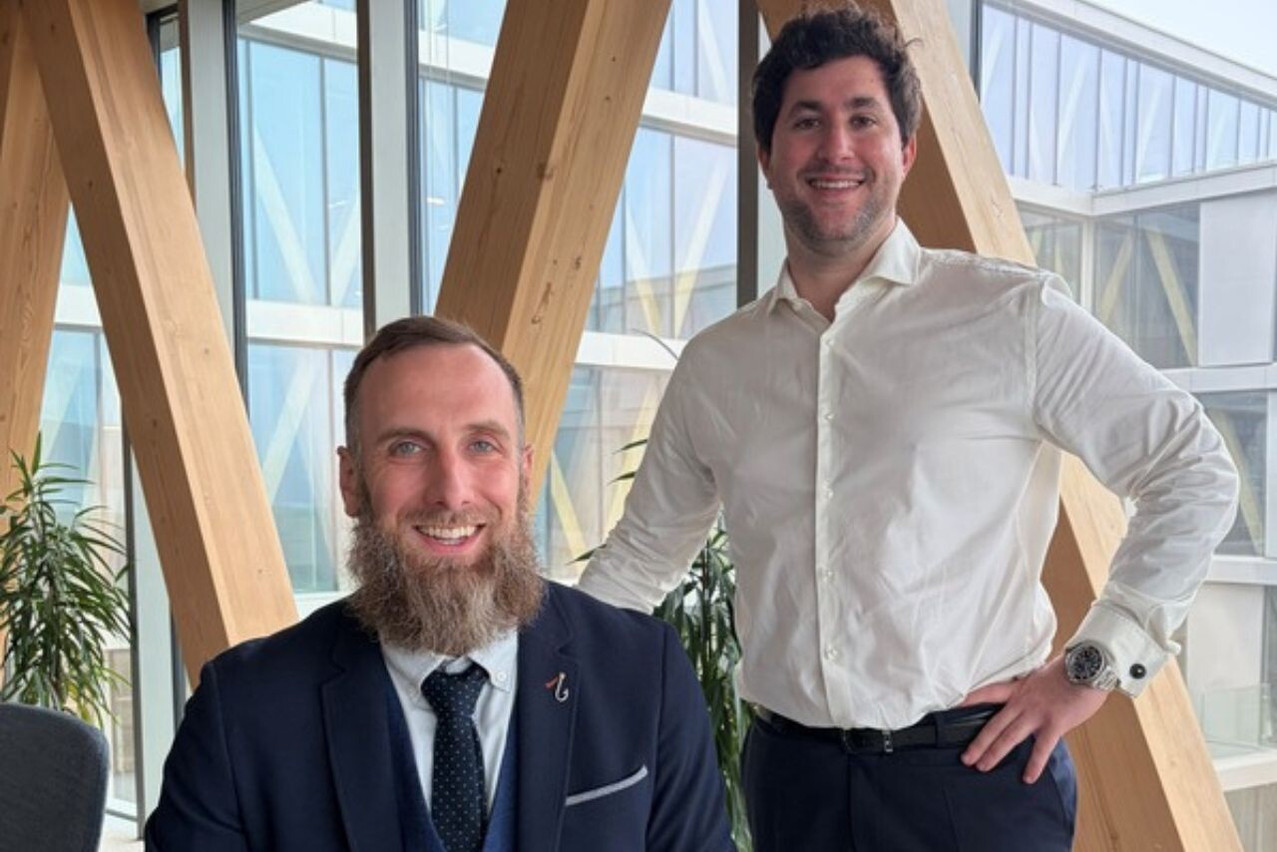
Jonathan Kalfa (JK), head of innovation at Baloise, and Geoffrey Nichil (GN), CEO of Dotika, explain the method.
Why invest in AI now, and in this way?
JK: “We began years ago with instructive proofs of concept. The question was how to move from isolated projects to a company strategy: which priorities, what timeline, who does what. Our group gives us strong technology; we had to use it with a strategy true to our business. So before tools, we chose to explain, reassure and show each team what AI brings. AI is only useful with clean data and teams who know how to use it.
What did you want to change?
JK: “In insurance, technology must strengthen the relationship, not erase it. Automating what we can lets us focus on understanding, advising and supporting clients. Our legal team, for example, uses an AI legal tool daily, freeing time for analysis and advice. We put learning before testing, then found high-value use cases together, from customer service to risk and fraud.
How did the project work?
GN: “In the opposite order to usual. First training: eight sessions, 105 employees, from the executive committee to operations. Then listening: interviews and team workshops revealed the use cases. Finally, the executive committee set a shared vision, a short list of priorities and a 3-year roadmap, plus a clear map of who decides, leads and contributes. All in three months. Baloise’s teams wrote the strategy; we brought method, pace and benchmarks. Success means Baloise no longer needs us.
What results do you see?
JK: “The strongest sign is not a number: untrained employees asked to be trained. Satisfaction reached 8.5/10 and self-assessed skills rose from 4.3 to 6.3/10. Above all, the executive committee uses these tools daily and AI is now a boost, not a threat: a real culture change.
How did you avoid pilots that never reach production?
GN: “Baloise’s experience was an asset: teams knew what AI can and cannot do. What is usually missing is a framework: pilots stop when no one owns them. Here, use cases came from trained teams, the executive committee set priorities, and each topic has an owner, a sponsor, users and a success measure. With the executive committee involved early, decisions were made in the room.
What comes next?
JK: “Now we execute: rolling out the roadmap and skills responsibly, for clients and staff, keeping the human side of our job.
Your advice to a hesitant leader?
GN: “Start small. One session with leadership often reveals real expectations and blockers. The costly mistake is starting with technology. We also learned from Baloise: an insurer’s standards on data, risk and compliance are a great safeguard. More such partnerships will help Luxembourg lead in responsible AI.”
About Baloise Assurances Luxembourg: a Helvetia Baloise group member and leading Life and Non-Life insurer in Luxembourg.
About Dotika: a Luxembourg AI company that advises, trains and puts AI into production, so skills stay with the client.
dotika.ai · LinkedIn: linkedin.com/company/dotika-ai · Instagram: @dotika.ai
This promotional article was written by Dotika as part of the company's membership with the Paperjam Club. If you would like to become a member of the Club, please contact us at club@paperjam.lu.