In 2018, a Johnson & Johnson company called DePuy recalled a hip replacement product it had introduced in 2010 that used a metal-on-metal system. Patients with the prosthetic hip had discovered that, over the years, parts of it were breaking off. The company advised patients to get their blood tested for cobalt and chromium ion levels and many people required additional operations.
In the context of crises like this one, the EU introduced regulation 2017/745, or the medical devices regulation (MDR). The MDR updated its predecessor, published in the 1990s, by broadening the definition of “medical device,” adding measures designed to improve transparency and traceability, empowering regulatory authorities to do more audits and pop-ins, and making all actors in the supply chain potentially responsible for defects in devices.
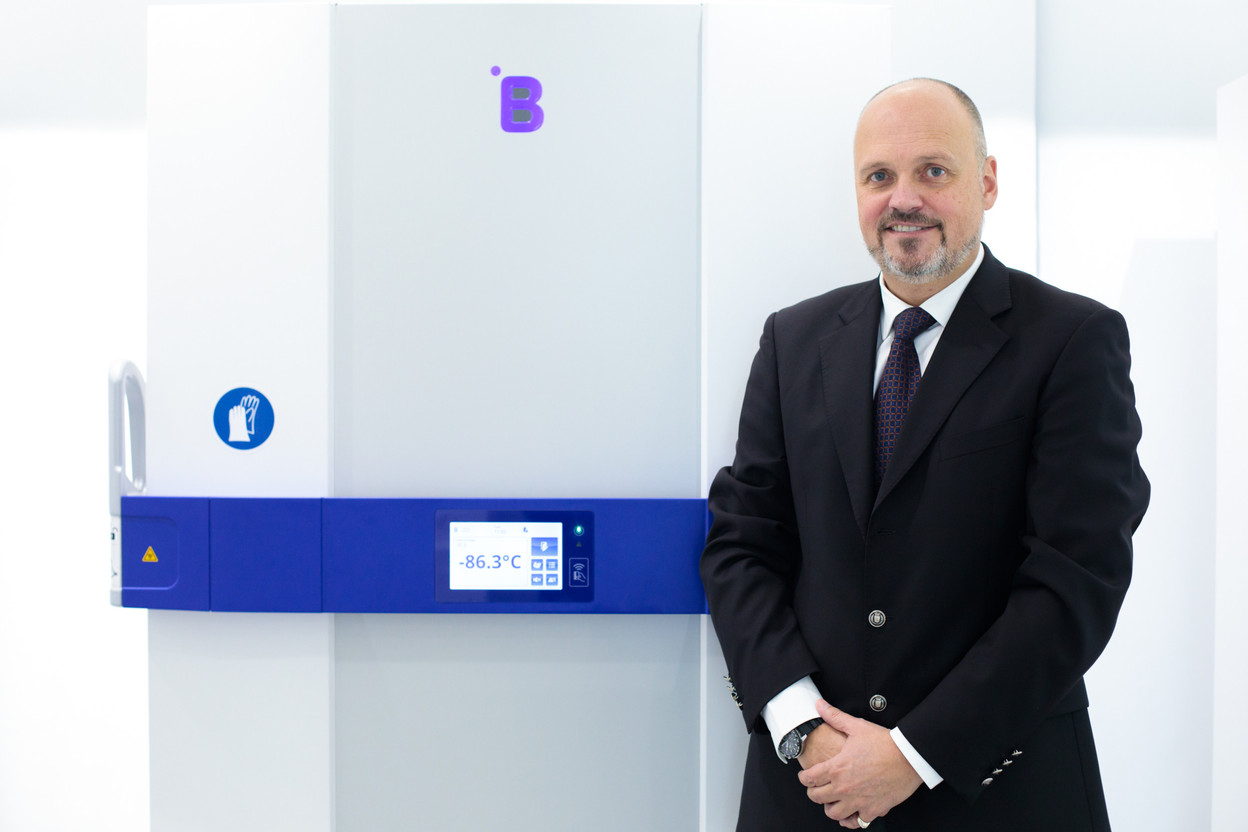
Included in the remit of the MDR are devices for storing and moving blood, vaccines and other substances that require a stable, often cold--as low as -86°C--temperature. Such devices are the speciality of B Medical Systems, a global company headquartered in a little village in the Éislek.
Luc Provost, CEO of the company, spoke to Paperjam about which regulations apply to the company’s products--the MDR is but one--and how it approaches its compliance needs.
Paperjam: What kind of regulations is B Medical Systems subject to?
Luc Provost: B Medical Systems manufactures storage and transport solutions for temperature-sensitive specimens and samples like biologicals and vaccines. Due to the nature of this business, we operate in a regulated market. The standard regulations that our products must comply with varies by our portfolio. For example, our vaccine cold chain portfolio complies with the World Health Organization (WHO) performance, quality and safety (PQS) guidelines. These guidelines prequalify products to ensure that member countries and UN purchasing agencies are assured of their appropriateness for national immunisation programs.
Our Medical Refrigeration and Blood Management solution complies with EU MDR Regulation (2017/745). This is a comprehensive set of guidelines that govern the manufacturing and distribution of medical devices within the European Union. All our medical refrigeration and blood management portfolio products are either Class I or Class IIa as per EU MDR Regulation 2017/745. As a refrigeration company, we also ensure that we minimise our products’ environmental impact by adhering to regulations such as the EU F-Gas Regulation.
Along with this, we ensure that our facility, manufacturing processes and quality management systems adhere to associated regulations like ISO 9001:2015, ISO 14001:2015 and ISO 13485:2016.
How is the regulatory landscape changing for you?
As a medical device manufacturing company, we always have new regulations and amendments to the existing regulations. Currently, for our vaccine cold chain portfolio, which is one of our largest product portfolios, there is a significant change in the WHO PQS regulations. This has resulted in the complete revamp of all our existing active products in the portfolio, and we will launch several new products by the end of this year.
We have a dedicated regulatory team that looks into all the compliance activities that are approximately 2-3% of our total headcount.

We were also anticipating some changes due to the upcoming Corporate Sustainability Reporting Directive (CSRD). But as the reporting thresholds of the omnibus package had different levels, currently we are not under this directive.
What techniques do you have to anticipate changes in regulation?
We are in constant touch with the key regulatory bodies. We also have our regulatory teams staying in touch with the industry consortia and associated organisations. However, what we have seen is that, at least in the vaccine cold chain sector, the regulatory bodies do have industry consultations and take the opinion and expertise of the manufacturers into account before any major changes are implemented.
How many people at B Medical Systems are involved in compliance activities? (Out of a workforce of how many?)
We have a dedicated regulatory team that looks into all the compliance activities that are approximately 2-3% of our total headcount. But, the way our business is organised, it’s not just this team that is responsible for ensuring compliance. For example, when we launch a new product, quality management system compliance extends across R&D, production, marketing and other departments. Or a product registration and compliance in a new country involves significant activity from our distribution network, along with our regulatory team. So, it’s a significant headcount that is involved in ensuring compliance with various regulations.
At the European level
B Medical Systems’ CEO Luc Provost shares his opinion on the volume of regulation in Europe:
“We have seen regulations always keep a check on inferior quality products flooding the market in Europe. We currently have effective regulations in place to secure the exclusion of non-compliant and potentially hazardous equipment, thereby safeguarding the health of the population.”
“One recommendation we would like to suggest is the promotion of these regulations to a more international level, similar to the reach of US Food and Drug Administration (FDA) regulations or International Society of Blood Transformation (SBT) guidelines, which are being followed beyond their home territories.”
This article was written for the Legal Leadership supplement to the August/September 2025 issue of Paperjam magazine, published on 10 July. The content is produced exclusively for the magazine. It is published on the site to contribute to the full Paperjam archive. Click this link to subscribe to the magazine.
Is your company a member of Paperjam Club? You can request a subscription in your name. Let us know via club@paperjam.lu