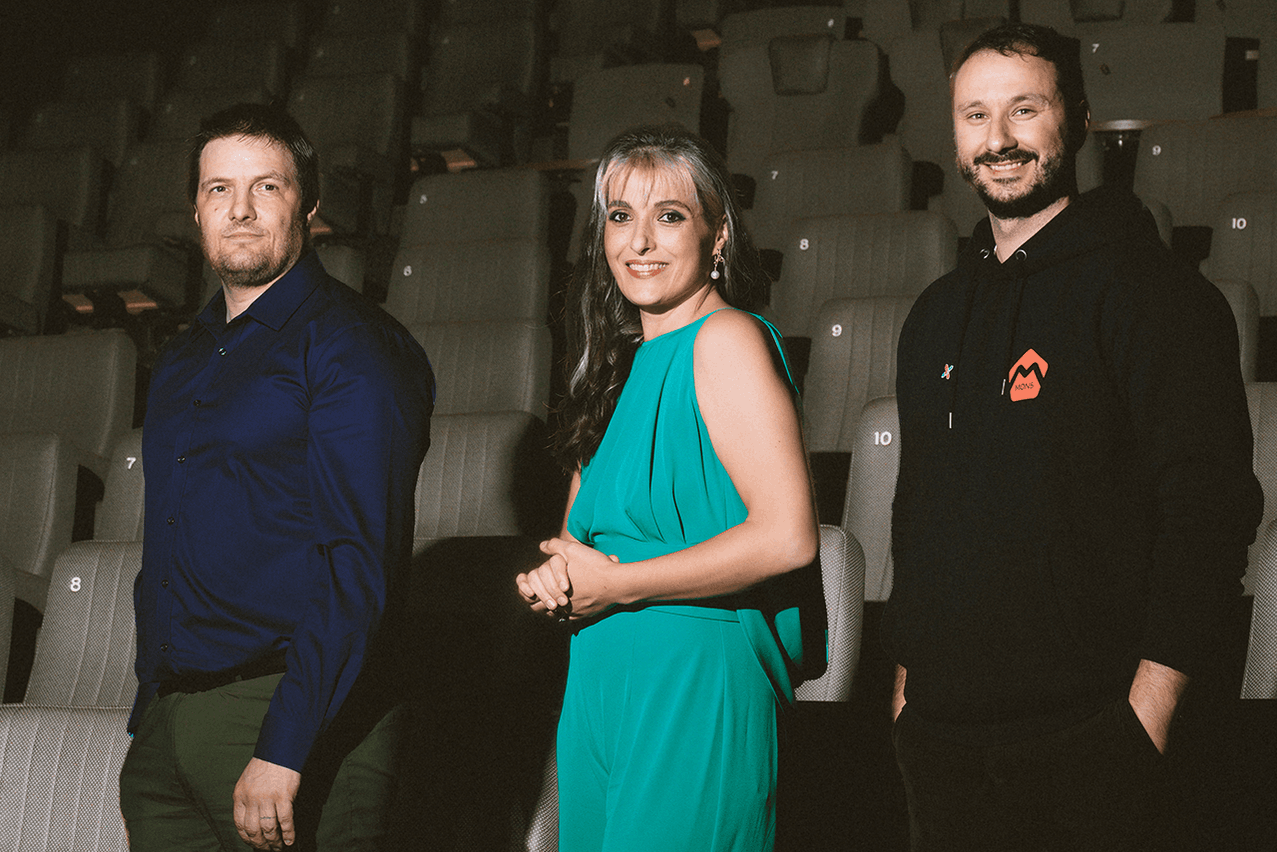
Why did the Luxembourg House of Cybersecurity (LHC) create the awards?
Ten years ago, we created CISO (Chief Information Security Officer) of the Year to recognise experts in a role that was becoming vital but was often under-recognised. DPO (Data Protection Officer) of the Year soon followed. There are now five awards, including the Cybersecurity Startup Award and the Cyberfraud.lu Solution Award, for anti-fraud solutions made in Luxembourg. This year, Most Promising Young Talent went to the eight-member national team that competed at the European Cybersecurity Challenge.
What do the awards bring beyond recognition?
They show how much talent and innovation there is in the sector. The gala closes the Cybersecurity Week Luxembourg (CSWL), a national campaign that brings together events organised by members of the ecosystem, and around 300 people from across the sector attended this year’s gala at Kinepolis. The winners also become ambassadors for a year within their communities.
What role does the LHC play in Luxembourg’s cybersecurity landscape?
We operate under a mandate from the Ministry of the Economy, and part of our mission is to help private companies and municipalities become more mature in cybersecurity. We do that through three centres. One of them, CIRCL, the Computer Incident Response Center Luxembourg, is a key partner for threat intelligence sharing and guiding incident handling. The National Cybersecurity Competence Center, NC3, works further upstream, on prevention. And the Luxembourg Cybersecurity Factory, LCSF, looks at AI and quantum technologies applied to cybersecurity.
What do companies gain from being part of the ecosystem?
Our role is not to do everything ourselves, but to point companies towards the people and solutions that are already in place. That is why CYBERSECURITY Luxembourg and the national portal, cybersecurity.lu, were created in 2019. A company looking for a provider can find one that matches its needs, and providers can showcase their expertise, in Luxembourg and abroad, which can open new markets and partnerships. A new version of the portal is now in development to enhance this matchmaking feature. Luxembourg’s size is actually an advantage. Here, practitioners, researchers, regulators and businesses can talk to each other directly.
How has the ecosystem changed these past ten years?
It has grown enormously, especially on the start-up side. A recent Wavestone study counted 20 active cybersecurity start-ups in Luxembourg, all founded since 2020, and three-quarters of them since 2022. That is why we created LUCYA, the Luxembourg Cybersecurity Accelerator, which will support this year’s start-up winner. The awards recognise the contributions of individuals, but at the end of the day they celebrate and give visibility to the whole community.
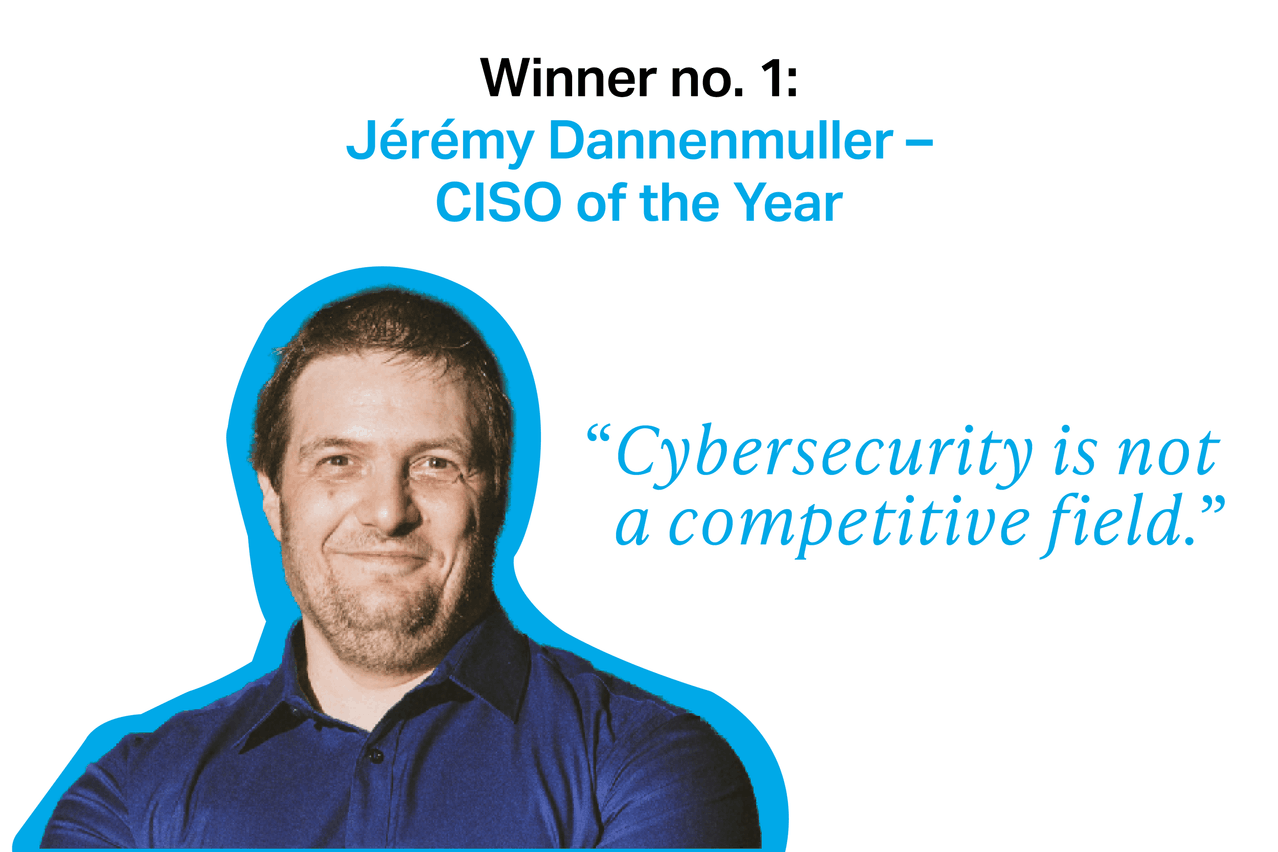
Jérémy Dannenmuller (Photo: Julian Pierrot/Paperjam)
Jérémy Dannenmuller began his career as an electrician. Today he is CISO at Noelse, a role he has held since 2021. “Luxembourg makes things possible,” he says.
What does this award mean to you?
In a small organisation, the CISO sometimes has very little budget, yet the regulatory requirements are the same as for large organisations. I wanted to show that you can do just as well, and sometimes better, with limited resources.
What does the ecosystem give you, and what could you build together?
The proximity and accessibility of stakeholders in Luxembourg mean that synergies are easy to form. Tools developed here, such as MISP, MONARC and Lookyloo, have been invaluable. I believe there is a valuable opportunity to further strengthen the role of practitioners in shaping the implementation of regulations, and to build open tools together, following the model the LHC already uses. Security is not a competitive field. When one company is attacked, the others are often next.
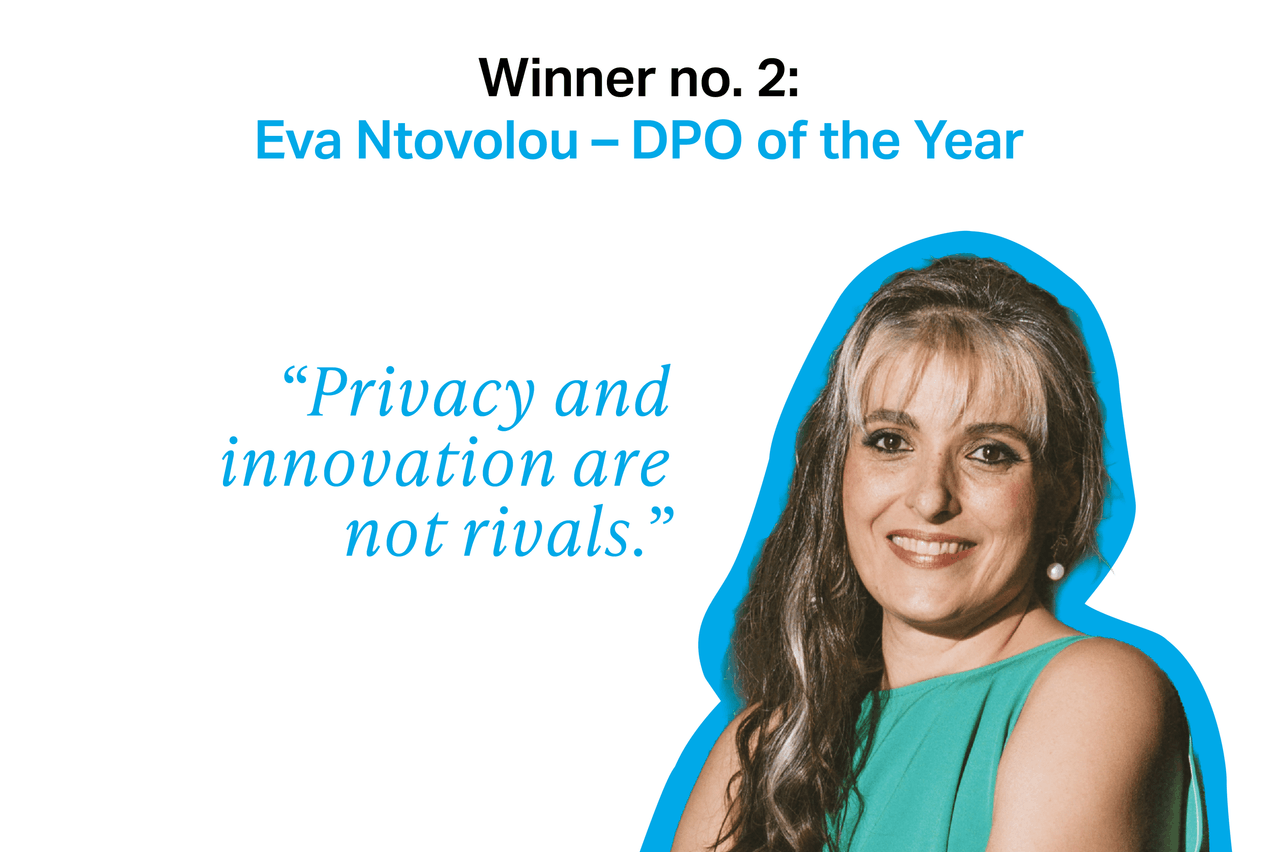
Eva Ntovolou (Photo: Julian Pierrot/Paperjam)
A lawyer who has worked in privacy since before the GDPR, Eva Ntovolou has held many roles, including global data protection officer. This year, she launched her own firm, Just.Data.Lawgic.
What does this award mean to you?
It comes at a special moment, the year I launched my firm. It also validates my long-held approach: privacy is an enabler of innovation, not a tick-box exercise. I’m proud to be the first woman to receive it.
What does the ecosystem give you, and what could you build together?
Lawyers, regulators, business people and technical teams need to speak each other’s language, and the LHC brings us all together. Our role is to find practical, affordable solutions, especially for smaller companies. I’d also like to help young people understand their digital rights.
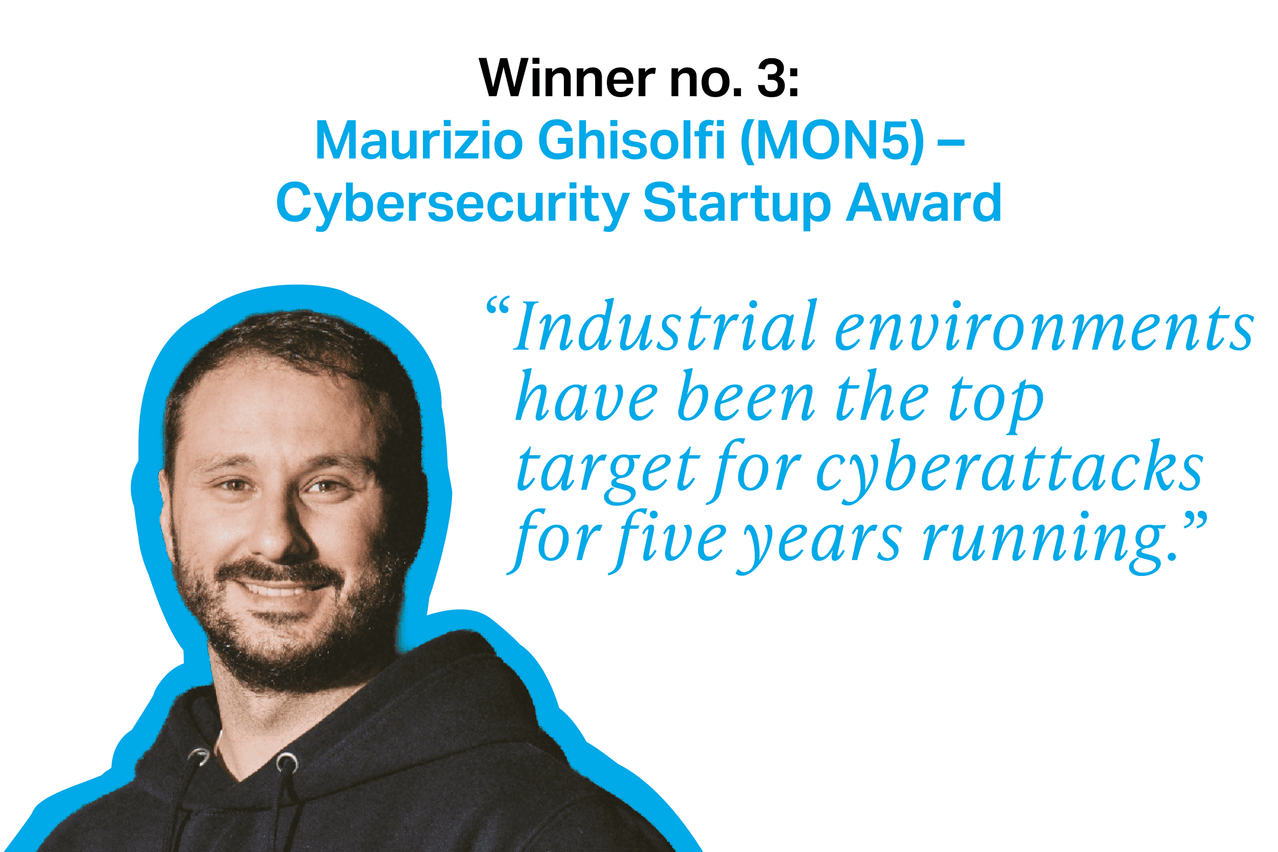
Maurizio Ghisolfi (Photo: Julian Pierrot/Paperjam)
Founded in Italy in 2022, MON5 opened in Luxembourg in 2024 through Fit 4 Start. Maurizio Ghisolfi leads the R&D team.
What does this award mean to you?
For a start-up, it’s a real achievement. The jury were cybersecurity experts, so it shows what we do, securing industrial networks, matters. Industrial environments have been the top target for cyberattacks for five years running. Smaller firms were already exposed; now NIS2 requires them to act.
What does the ecosystem give you, and what could you build together?
Luxembourg is our base for European expansion and research. With an office at the LHC, we are at the centre of Europe’s cybersecurity conversation. We do applied AI research with LIST, we’re about to start new projects in the ecosystem, and LUCYA’s support will help.
Learn more: mon5.eu
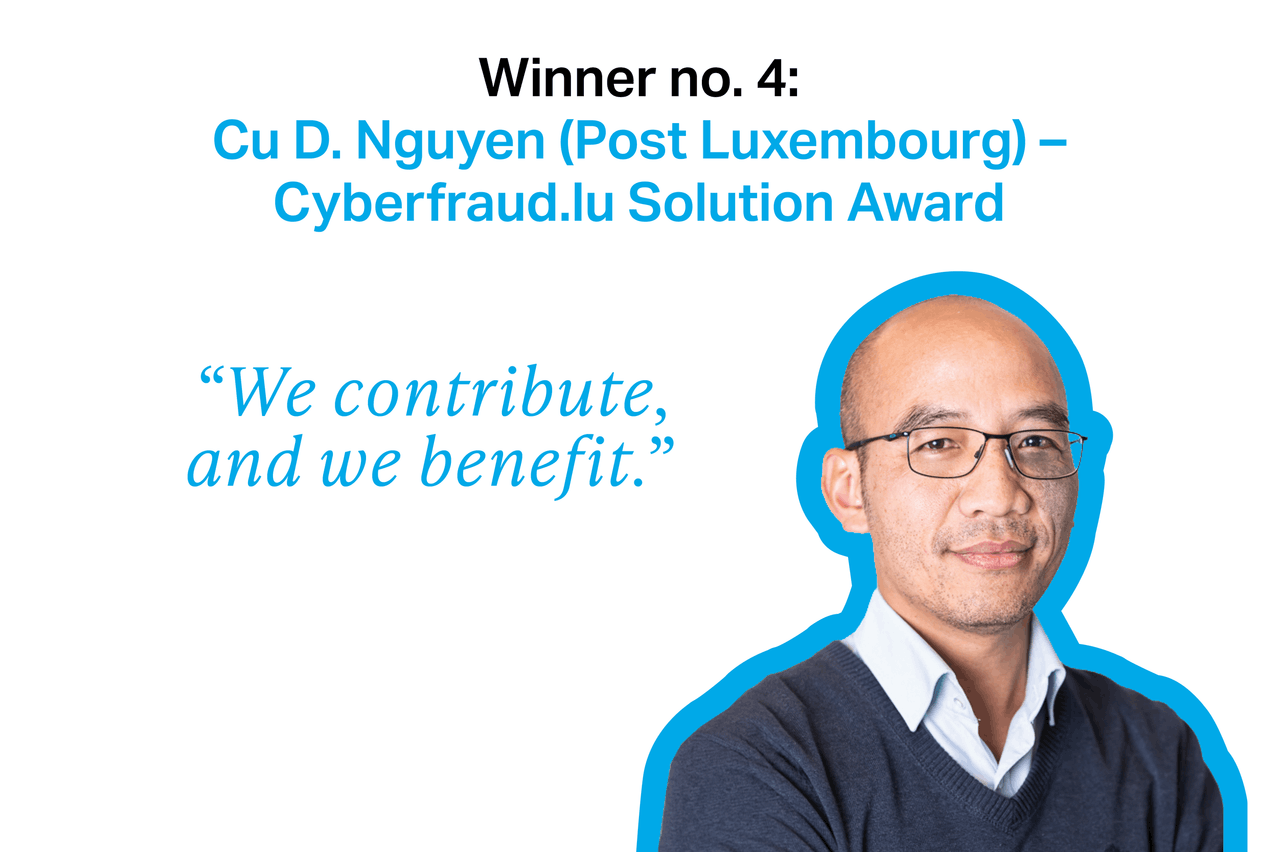
Cu D. Nguyen (Photo: Julian Pierrot/Paperjam)
A former University of Luxembourg researcher, Cu D. Nguyen joined Post Luxembourg in 2016. His team developed TIDS, which uses machine learning to detect phishing text messages in over 100 languages.
What does this award mean to you?
It’s always hard work, so recognition from the local community is encouraging. We block malicious messages before they reach subscribers, and our security operations centre can take the website down and alert other operators and browser vendors.
What does the ecosystem give you, and what could you build together
From the start, we’ve worked closely with CIRCL, using its tools and sharing intelligence on phishing campaigns through MISP. We contribute to this community, and we benefit from it. Anyone can report suspicious messages to us, which improves detection, and we’re willing to share more of what we see.
Learn more: tids.post.lu
Discover how LHC connects cybersecurity talent and expertise
Joining cybersecurity.lu
Companies working in cybersecurity can apply to be listed on the national portal by completing an online form. Applicants need a business registration number and an active cybersecurity offering. A committee at the LHC reviews each application, followed by a conversation with the company before it is listed. Entities looking for a provider can search the directory by need.