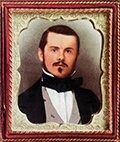
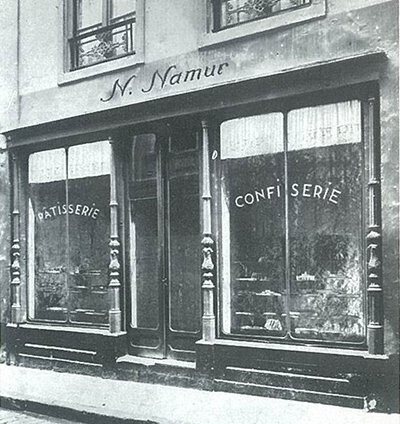
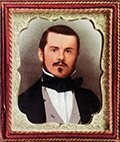
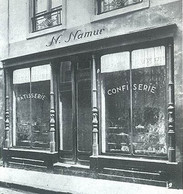
Founded in the 19th century, the Namur company is part of a family history stretching back over 150 years. It all began in 1851, when Nicolas Namur left Le Havre for New York to continue his training as a pastry chef. He enjoyed his first success in Sacramento, California, before returning to Luxembourg in the early 1860s, where he opened his first shop in the capital. The business then expanded under the leadership of Georges Namur, followed by Georges Paquet, who trained in Switzerland with firms such as Tobler and Sprüngli.
From the 1970s onwards, Max and Jean-Paul Nickels continued to expand by opening new outlets, notably at Luxembourg railway station, Esch-sur-Alzette, Bertrange, Ingeldorf and Metz. In 2007, the production facility was moved to Hamm, with the opening of a tasting area. Today, the sixth generation, represented by Anne Nickels, ensures the continuity of the business by preserving the company’s spirit and expertise.
In your view, what is the main lesson you have learnt from your experience with succession planning and engaging the next generation within your company?
Anne Nickels. – “One should never assume that, simply because someone is a son or daughter, they will automatically act in the company’s best interests. Family ties do not guarantee strategic alignment or financial loyalty. You can never trust blindly, even within your own family.
A family member does not necessarily share the same ambition for growth. Some simply wish to have a stable and comfortable job until retirement, without any long-term vision. However, a business cannot be run without a clear direction. It is dangerous to assume that everyone shares the same vision, expectations and understanding of leadership. These can differ profoundly.
For me, the question of succession became unavoidable when my brother no longer wished to follow the same path as my father and I. Once two opposing visions emerge and no majority can be reached, the company reaches an impasse. Stagnation becomes a real risk.
My father was then faced with an extremely difficult decision: to preserve family unity or to secure the future of the business. In a family business, this kind of choice marks an irreversible turning point.
How do you manage to balance the family’s expectations with the company’s economic and strategic imperatives?
“There was a very difficult period in the company’s history. Its survival was at stake and we had no choice: we had to act quickly and make tough decisions. In this context, my brother did not want to go down this route. This difference of opinion led to him leaving the company. It was a painful decision on a personal level, but absolutely essential to ensure the company’s continued existence.
Which decisions or developments relating to governance or the professionalisation of management have had the most significant impact on your company?
“The main challenge was accepting a fundamental shift in the business model. For a leader who has devoted his entire life to building his business, letting go of the reins and opening up key roles to people outside the family is a real turning point. When the business is a life’s work, delegating also means relinquishing total control.
My father, with the help of his brother, ran the business for many years using a highly centralised model, where a single person made all the decisions and oversaw the entire operation. This way of working was suited to a simpler era. Today, faced with increasing complexity, regulatory requirements and the need to professionalise structures, a company can no longer rely on a single individual.
We have therefore established a new, structured management team with clearly defined responsibilities — finance, human resources, operations — and a more professional governance structure. The transition was demanding on a personal level, but it was essential to ensure the company’s long-term viability.
It was necessary to introduce marriage contracts in order to prevent anyone by marriage from gaining access to the company’s capital or governance.

How does your company balance the need to honour its heritage with the need to innovate or transform itself in order to remain competitive?
“The challenge lies in the way we work: on the one hand, a very traditional, artisanal approach; on the other, the need to move with the times. It’s about striking a balance between preserving traditions and introducing new products. We have chosen to prioritise quality as much as possible and to make our products ourselves, from start to finish. For us, it is acceptable that the products are not always perfectly identical: that is precisely what craftsmanship is all about, and we fully embrace it.
The question we must constantly ask ourselves is this: is the extra effort still worth it? Do customers actually notice the difference, and are they willing to pay the price? With globalisation, diversity is also tending to disappear, which further highlights the importance of these choices.
What were the most decisive choices made regarding the financing of growth?
“Up to now, we have never sought funding from external investors. The company has remained entirely in the hands of the family, with support from the banks. This decision has enabled us to retain control, our vision and the company’s independence. And no, we have never regretted it.
What tax or legal issues have proved to be the most critical for your family business?
“It was necessary to introduce marriage contracts to prevent anyone related by marriage from gaining access to the company’s capital or governance. A strict separation between the private sphere and the business is essential.
Situations where ownership or decision-making is split 50/50 must be avoided at all costs, as they can become a major stumbling block in the event of disagreement on strategic issues. Finally, the issue of succession must be clarified as early as possible, in order to maintain the flexibility needed to adjust decisions and secure the company’s future.
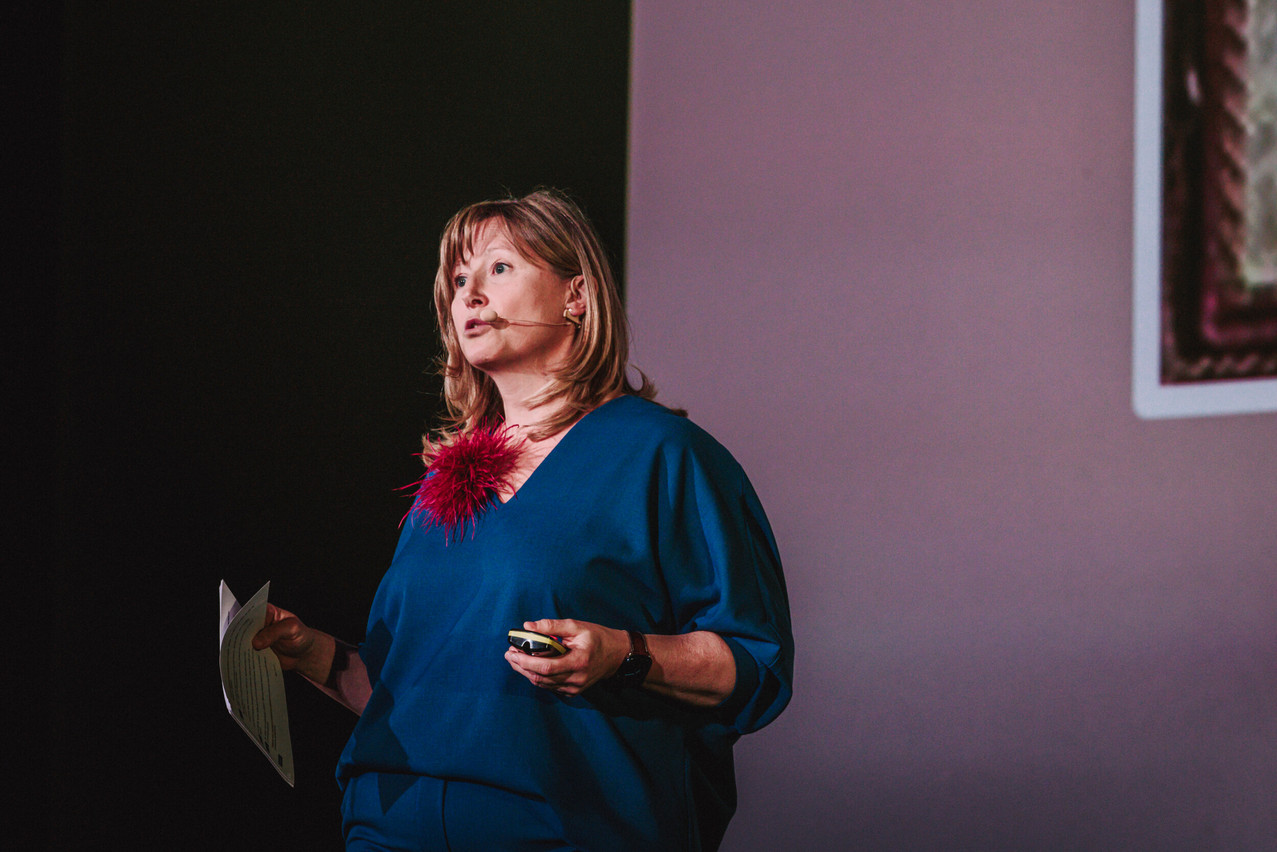
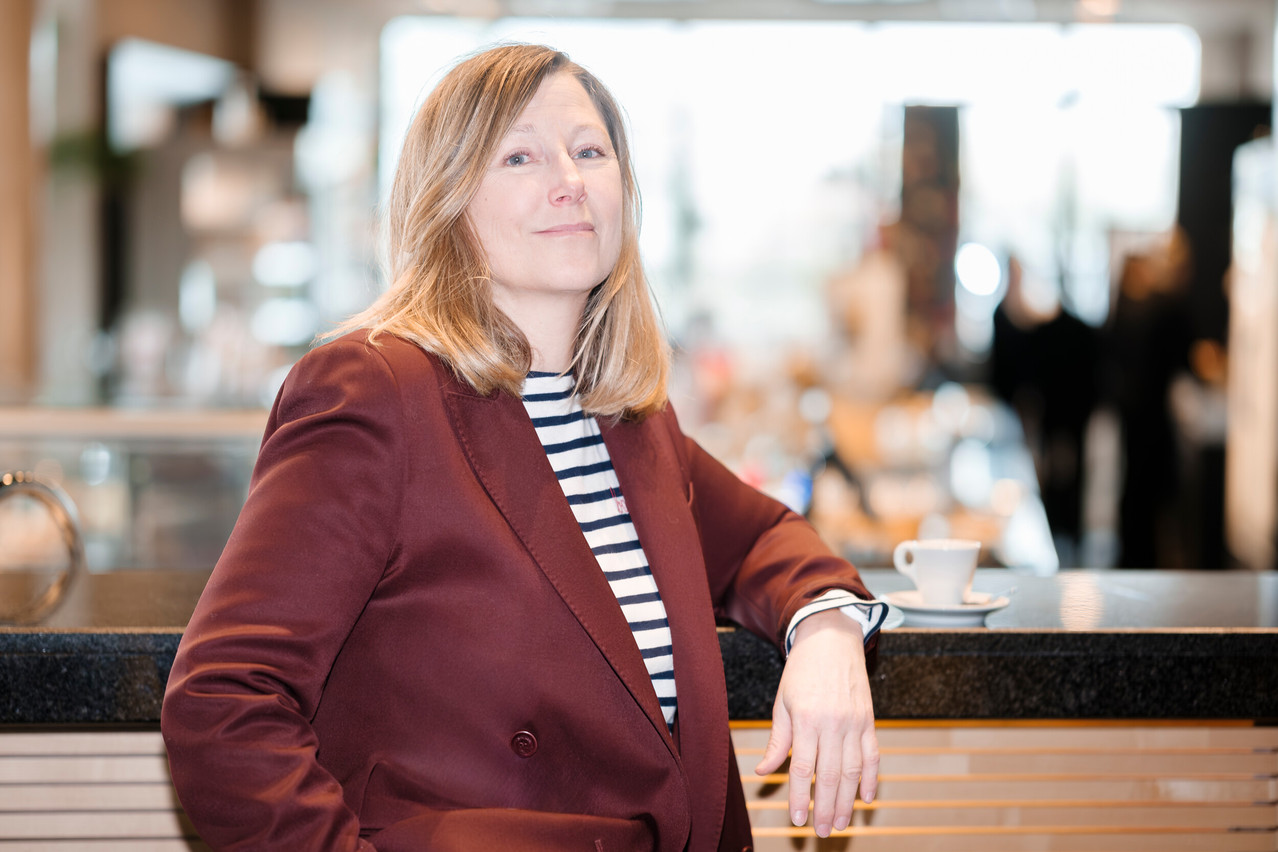
Anne Nickels embodies a generation that had to prioritise the business over family life, transforming a historic artisan workshop into a more professional enterprise, without compromising on her high standards of quality. (Photo: Julian Pierrot/Paperjam)
What strategies have been most effective in developing your product or service offering whilst remaining true to the company’s core values?
“At times, we need to ask ourselves whether our products are still in tune with the times. Sometimes it’s the recipes that change, sometimes the presentation, and often the processes. The question remains the same: how can we work more efficiently, and what do our customers really expect?
At what point did you feel it was necessary to accelerate the company’s growth?
“At a certain point, our premises had become too small and no longer met the required standards. Staying at that size posed a risk. The construction of our workshop in Hamm was a real turning point. We knew we had to grow, even if it meant a significant increase in fixed costs. Unfortunately, several crises occurred at the same time, making this a particularly challenging period. Looking back, it has made us stronger and more structured.
What were the main drivers — and the main challenges — of your internationalisation strategy?
“It is clear that the pressure to grow is driving us to consider international expansion. Crossing the border, even into a neighbouring country, already means entering a different market, with different consumer habits. We mustn’t forget that we produce fresh produce every day, which requires daily deliveries and highly precise logistics.
Expanding further into international markets presents an even greater challenge. Many of our products have a relatively short shelf life, and strict adherence to the cold chain is essential. However, once the products leave our site, we no longer have full control over these factors. Logistics is therefore a major challenge. In theory, this would mean setting up local production on site. But at this stage, that is not a viable option for us.
For a long time, we tended to adopt a defensive stance in the face of competition. Today, we are taking very concrete steps to reposition ourselves.

How can a family business attract and retain key talent in an increasingly competitive environment?
“I think many people are interested in working for us because of our reputation and the expertise we pass on. But I’m also convinced that what really attracts people are the opportunities for career progression, the chance to make a tangible impact more quickly, and an environment where you can really feel the weight of your commitment.
Here, we have a corporate culture rather than the kind of policy you’d find in a large corporation. The scale remains human, decisions are made more quickly, and responsibilities are clearly defined. It is this closeness and ability to take action that make the difference.
How has increased international competition in your domestic market changed your positioning, organisation or strategy?
“For a long time, we tended to adopt a defensive stance in the face of competition. Today, we are working in very practical terms on a new positioning, which involves numerous changes. We are seeking to refine our brand and to work in a more professional and efficient manner. New roles have been created and we now have a proper management team with complementary skills. Furthermore, we are conducting an in-depth analysis of our processes, which is giving us a clear and objective view of the company’s current state and enabling us to identify priority areas for improvement.”
This article was written for the June issue of Paperjam magazine June 2026, published on 20 May. The content is produced exclusively for the magazine. It is published on the website to contribute to Paperjam’s comprehensive archive. Click on this link to subscribe to the magazine.
Is your company a member of the Paperjam Club? You can request a subscription in your name. Please let us know via club@paperjam.lu