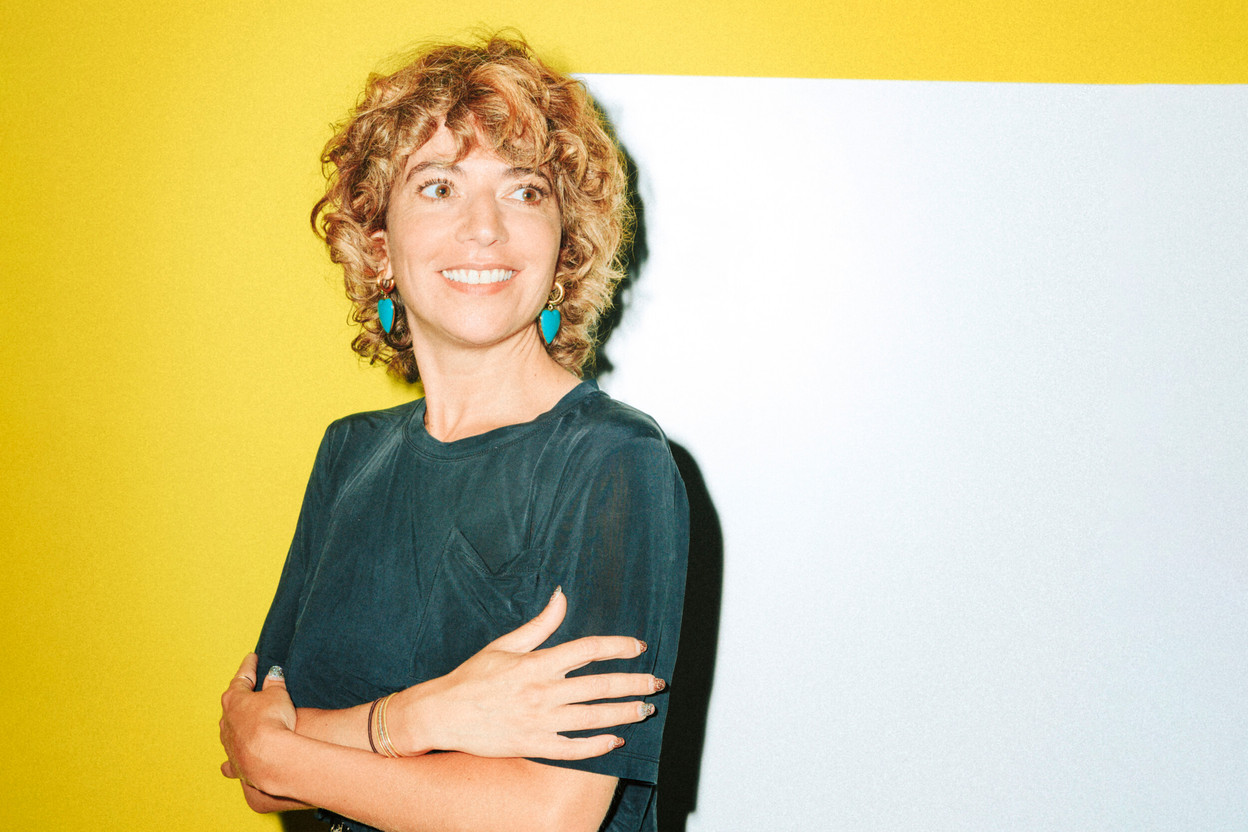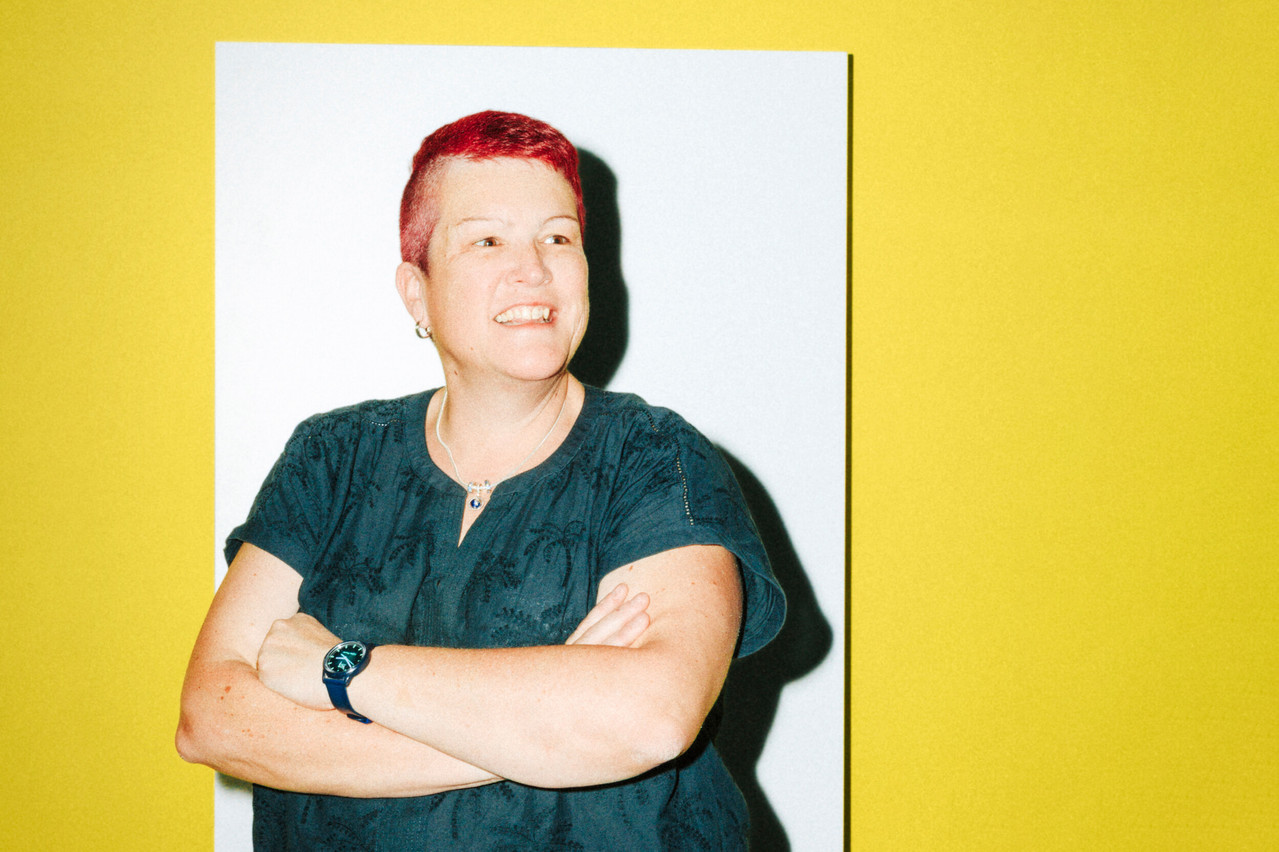
After 22 years in the maternity ward at the CHL, Anne Dahm is fulfilling a long-held ambition: to practise as an independent midwife. She opened her practice in Mamer in 2022, where she offers, amongst other things, antenatal consultations and antenatal classes. Her support continues after the baby is born, with home visits to families.
In the same year, she co-founded Lunata in Bertrange, a perinatal centre designed, in particular, to facilitate out-of-hospital births and bring together a range of professionals to support expectant and new parents. At the time of the interview, eight independent professionals were practising there. Since then, the project has come to an end: Lunata closed its doors on 31 August 2026.
After 22 years at the CHL, why did you decide to become a self-employed midwife?
Anne Dahm. – “That had always been a dream of mine. When you become a midwife, you have a qualification, but you don’t have much experience. The CHL was a good place to start my career and learn the ropes. I think it’s important for every midwife to develop professionally, to gain experience in the field, and only then to set up in private practice. I did learn a great deal at the CHL, but it was also important to have financial security.
In the past, you could only see a woman once during her pregnancy.

What finally made you take the plunge?
“It’s been a long journey. At some point, you have to realise that you need a financial foundation that makes it possible, just to be on the safe side. And then, things have changed a great deal for independent midwives in Luxembourg. We’ve been able to bring about a lot of changes with the CNS and through the classification system. Before, we could only see a woman once during her pregnancy. We couldn’t run antenatal classes or carry out follow-ups, or see them more often. So there has been greater scope for midwives who wanted to work in private practice.
In practical terms, how does your work differ from that of a midwife in a hospital?
“It depends where you work. If I’m a midwife at a hospital and I’m in the delivery room, that’s all I do. If I’m in the postnatal ward, I only see women after they’ve given birth. If I’m at an outpatient clinic, I see women who come in for foetal monitoring or consultations at the hospital. If I’m in private practice, I can do everything, but under different conditions.
Does this also enable you to build a different kind of relationship with the women you support?
“For me, personally, yes. I know my patient. I’ve been following her throughout her pregnancy. Most of them give birth in hospital. Very few give birth with me, but I do see the women again afterwards when they’re discharged from hospital. I feel that we do provide better care for the patient.
Midwives do more than just deliver babies. They are healthcare professionals specialising in pregnancy, childbirth, the postnatal period and breastfeeding.
Is the role of the midwife still little understood in Luxembourg?
“There is [a lack of understanding] about midwives. Midwives do more than just deliver babies. They are healthcare professionals specialising in pregnancy, childbirth, the postnatal period and breastfeeding. These are many different stages, and the scope of their work is much broader than people might realise. I believe it is important for women – and especially for young women – to understand this.
Do women know that they can be supported by a midwife during their pregnancy?
“I think so, but unfortunately, not all women are yet aware that they can have a midwife. Here in Luxembourg, antenatal care is very medicalised. Women visit their gynaecologist a lot. That said, it also depends on the doctors. Some of them spread the word and tell women that they can see a midwife to attend antenatal classes, ask questions or just have a chat. And then, people talk to each other a lot too, so a lot of it spreads by word of mouth.
How does working in a small organisation affect this support?
“In my view, it allows for a slightly more direct relationship with the patient or their parents, but also fosters an interdisciplinary approach. If, for example, someone asks me for a course or a workshop on babywearing, I know someone and can tell them to get in touch with that person. It’s a more personal approach.
‘Friend’ is a bit of an exaggeration, but I want to be someone who looks out for you, who’s there for you.
Is this closeness part of your understanding of the profession?
“For me, it’s important not just to be someone who knows their job and knows what to do. ‘Friend’ is a bit of an exaggeration, but I want to be someone who looks out for you, who’s there for you. For me, that’s what matters.
Could this closeness also make it harder to maintain a boundary between work and private life?
“It really depends on the women. I do try to be flexible, though. I have colleagues who are stricter and say, ‘I only work from 9 a.m. to 5 p.m.’ As for me, I also work in the evenings when people tell me they’re working. But I’ve got a family too, and a life of my own. Sometimes it’s difficult, but I think that’s the case for everyone who’s self-employed: where do you draw the line?
What are the financial constraints associated with being self-employed?
“If I don’t work, I don’t earn anything. That’s the problem with being self-employed. If I don’t do a good job, I won’t have any clients. If I’m well known and I do a better job, more women will come to me. If I only see three women a month, I won’t be able to ‘make a living’ from those three women.
So what does success mean to you?
“To be recognised. Recognised and known by people, I suppose. Known for my work, as a midwife. To be known and recognised. I suppose recognition is a bit more difficult. Midwives are important, after all.
What would you like women to take away above all else from your profession?
“What’s important to me is that we don’t forget midwives and that we’ll always need midwives. This profession cannot be replaced by artificial intelligence. If the baby’s coming out, Google’s no use at all. But a midwife’s role isn’t just about childbirth.”
This article was written for the October 2026 issue of Paperjam magazine, published on 16 September. The content is produced exclusively for the magazine. It is published on the site to contribute to Paperjam’s comprehensive archive. Click on this link to subscribe to the magazine.
Is your company a member of the Paperjam Club? You may be eligible for a magazine subscription in your own name. Let us know at club@paperjam.lu.