Whether it’s a house or a flat, new or old, a main residence or an investment property, before you start scrolling through the listings with a feverish, impatient hand, you need to know what you’re looking for… and what you can actually afford. To 
Making a purchase allows you to turn a monthly expense into an asset and gives you access to various forms of financial assistance. The increase in the Bëllegen Akt from €40,000 to €45,000 per buyer was announced in July 2026, with retroactive effect to take place once the law has been passed. When it comes to investing, Anne Reuter generally favours smaller properties: “Studio flats and one-bedroom flats often offer a better return per square metre, particularly when they are furnished. Houses, whilst less profitable, still make sense from a wealth-building and inheritance perspective.”
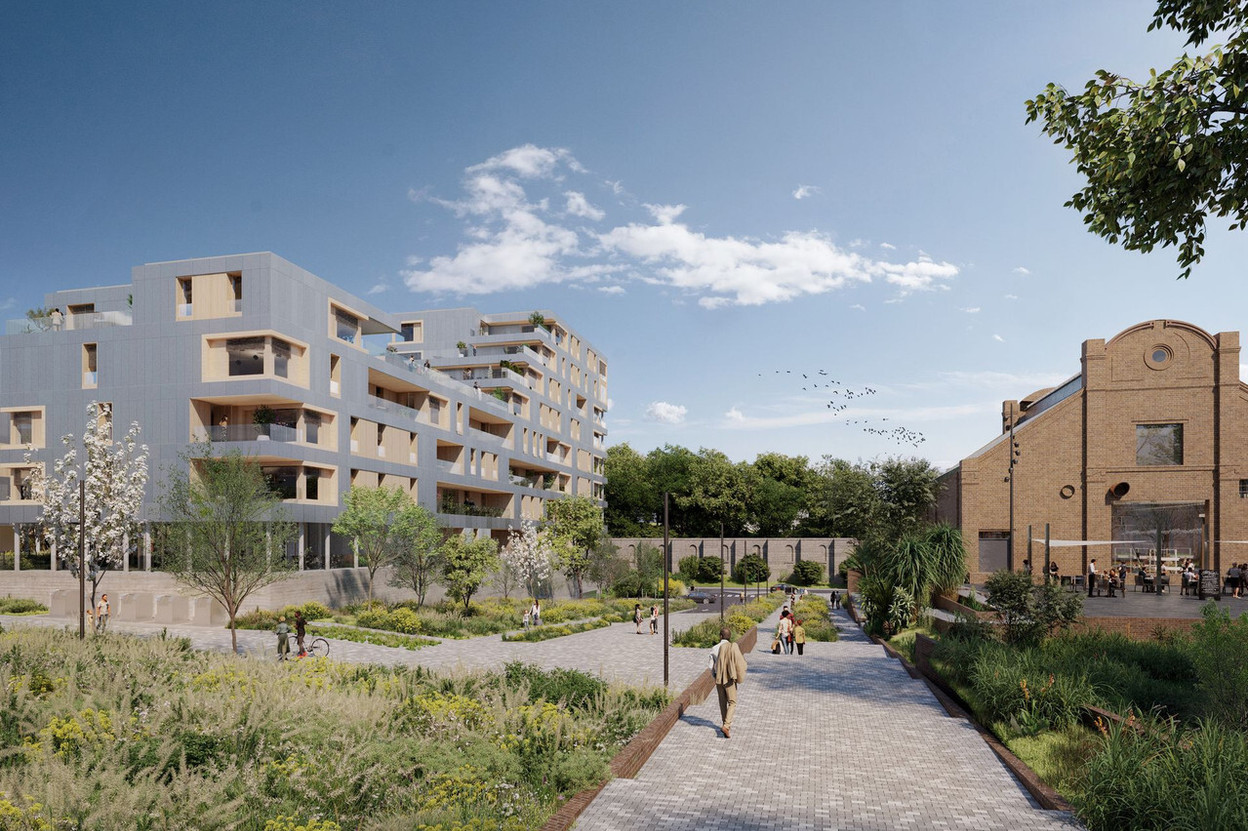
New-build properties also have their advantages. With guarantees, environmental standards and lower energy bills, they are easier to finance and resell. Banks now scrutinise energy efficiency ratings closely, and a property that is far too energy-intensive can even cause a mortgage application – even one that has in principle been approved – to be rejected. As for the appeal of neighbourhoods, unsurprisingly, the city centre and its inner suburbs, along with Bonnevoie, Neudorf, Cessange and Gasperich, could continue to benefit from their proximity to new business hubs. Around Belval, too, the range of possibilities continues to expand. With homes becoming more compact, the best buy will be one that makes clever use of every square metre.
Securing your financing before viewings
A hunch is no substitute for a bank agreement. 
“The application must be prepared in advance: employment contract, three payslips, bank statements, proof of savings and loans, the balance of the Bëllegen Akt, and even balance sheets and tax returns for the self-employed. For the property, an energy performance certificate, plans and renovation quotes complete the picture. “The moment you commit shouldn’t be the moment you find out whether the project is financially viable,” sums up Gino Marinelli.
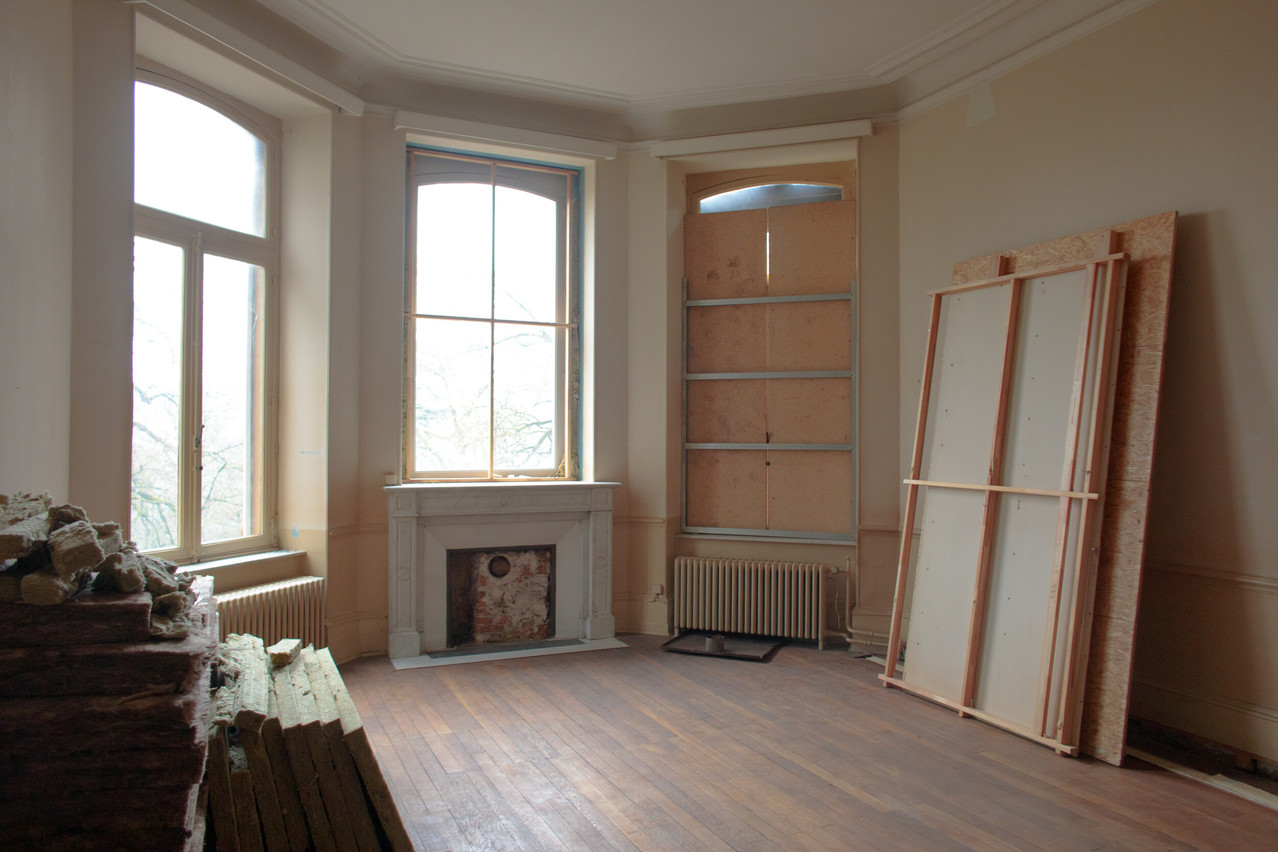
The funding application must be prepared in advance and must include, in particular, the energy performance certificate, the plans and the renovation cost estimates. (Photo: Paperjam)
Comparing offers based solely on the interest rate would be another mistake. You need to look at the APR (Annual Percentage Rate, which represents the total annual cost of a loan and includes not only the interest rate but also application fees, certain compulsory insurance policies, commissions and costs relating to guarantees), the flexibility of the repayments and the overall cost of the loan. Upon receipt of the FISE (Standardised European Information Sheet, a document provided by the bank before taking out a mortgage), the borrower is entitled to a cooling-off period of 14 calendar days.
It’s best not to spend every last euro you have: moving house, the kitchen, furniture, lighting, insurance and initial building work are all expenses that can add up quickly.

Finally, according to Gino Marinelli, “it’s best not to put every last euro you have on the table: moving house, the kitchen, furniture, lighting, insurance and initial building work are all expenses that add up quickly. In a block of flats, a façade renovation or roof repair that has already been approved by the owners’ association may trigger a call for funds shortly after purchase. The best proof of financial stability therefore remains the ability to maintain a financial buffer.”
Looking beyond the fresh paint
A beautiful wooden floor, a spotless kitchen and three sage-coloured cushions should not overshadow a technical survey. For architect Annik Pepermans, the buyer must look beyond the window dressing and consider the overall cost: the price of the property, any necessary renovation work and, as highlighted above, a margin for unforeseen expenses.
“The energy performance certificate is an indicator, not a certificate of good health. It provides information on the building envelope, heating requirements and CO2 emissions, but does not indicate a leak in the roof, poorly addressed thermal bridges or a poorly executed renovation. A stain, a musty smell, blistered paint or peeling render should set alarm bells ringing. And beware of attempts to cover things up!”, warns Annik Pepermans.
Quality lies in the finishing touches, in the insulation, the waterproofing, the ventilation, the joints between materials and the technical installations.

“Nevertheless, not all cracks mean a building is beyond repair. A superficial micro-crack may be harmless, but a through-crack, a stair-step crack or a crack that is widening does, however, warrant a professional assessment. The right question is not just ‘how do we fill it in?’, but ‘why did it appear?’.” The same vigilance applies to a recent renovation: “Quality lies in the finishes, the insulation, the waterproofing, the ventilation, the joints between materials and the technical installations,” insists the architect.
The structure, roof, façade, windows, heating, electricity and plumbing are generally the most costly items. For an older house, a building that has been converted several times or a recently renovated property, Annik Pepermans therefore advises consulting an expert before signing the contract. During a viewing, she discovered a demolished fireplace… with insufficient support beneath the load-bearing walls. This detail was invisible to the buyers; the potential bill, far less so. A survey can confirm the purchase, inform the negotiations or help avoid a beautifully repainted ruin.
Work out the costs – the real ones
The well-known ‘notary fees’ cover several items. Registration and transcription fees account for 7% of the price: 6% plus 1%. These are paid to the authorities and do not constitute remuneration for the notary. The Bëllegen Akt may reduce these, but does not cover the other costs associated with the deed or the mortgage.
“The regulated fees, excluding VAT, amount to approximately €1,650 for a purchase of €500,000, €1,900 for €750,000 and €2,150 for one million. On top of this, there are usually €750 to €1,200 for research and administration, plus the costs associated with the mortgage deed. It is recommended that you set aside a budget of around €6,500 for all notary fees and between €1,000 and €1,500 for the bank. These are estimates, by no means a universal quote: the calculation must in fact be redone for each buyer.
Never sign a preliminary agreement without properly checking the details
In Luxembourg, a preliminary sale agreement is, in principle, binding. There is therefore no ‘back-out’ clause as standard. It is advisable to have the document checked by a notary before signing it and to include a condition precedent regarding the granting of a mortgage, specifying a realistic amount, interest rate and timeframe. Without this, a refusal by the bank does not automatically release the buyer from the contract.
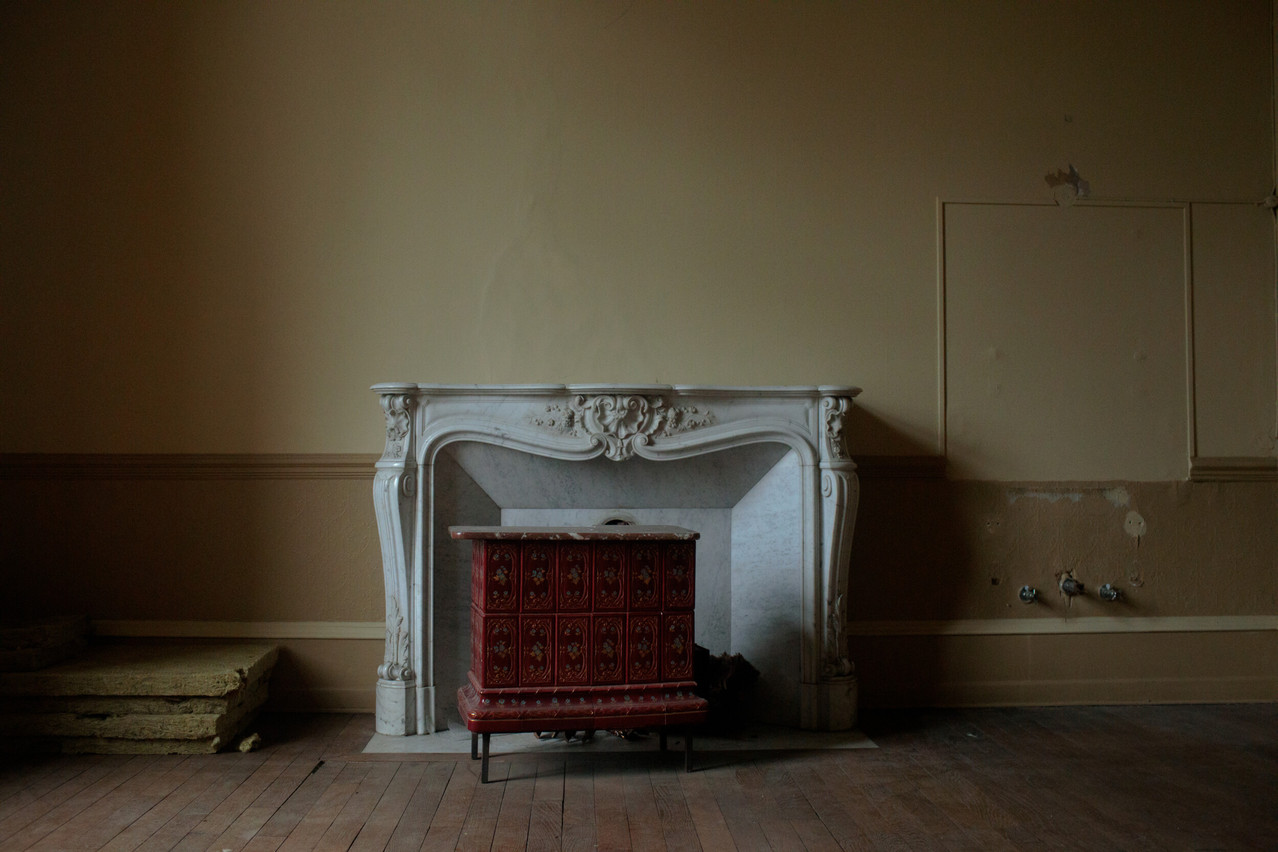
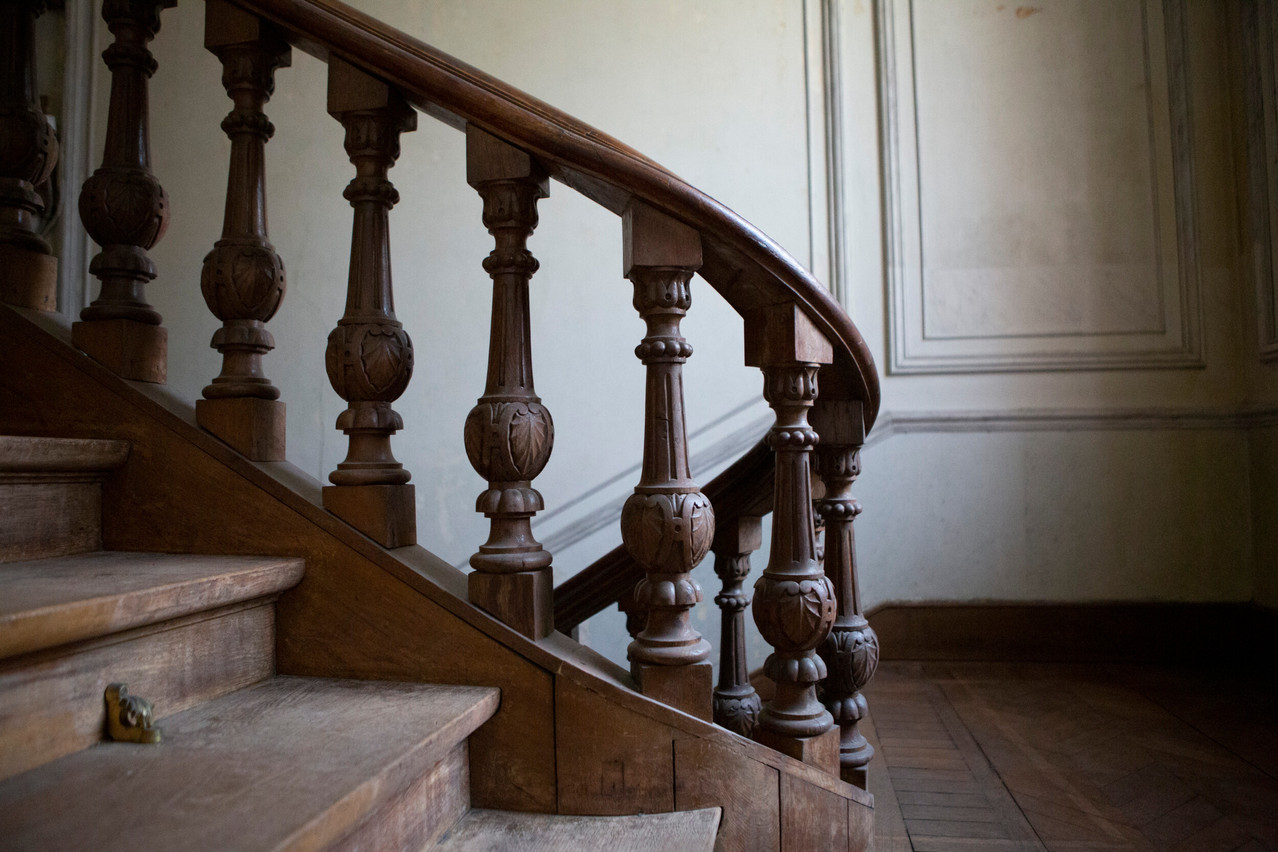
A valuation can confirm whether the purchase is a good idea, inform the negotiations, or prevent you from buying a dilapidated property that has simply been given a very attractive fresh coat of paint. (Photo: Paperjam)
“It is also important to check that all the owners have signed, that the property matches its description, and that there are no hidden details lurking behind the wording. A duplex may simply be a flat with an unauthorised loft; a plot of land may be subject to a rural lease; and a property sold whilst occupied will not, by some miracle, become vacant upon completion of the sale. For a flat, I would advise reading the minutes of general meetings, the service charges and any works that have been voted on. Finally, you should allow at least six weeks between the bank’s provisional approval and the completion of the sale, and even longer if a right of pre-emption applies.”
Preparing for the post-signing period
The buyer becomes the owner as soon as the deed is signed, even if the handover of the keys is delayed. The sum is paid to the notary’s office, which repays the mortgage lenders and the estate agent before transferring the balance to the seller. When buying as a couple, although the subject may seem difficult to broach, it is also advisable to plan ahead for unequal contributions, a separation or a death.
And so begins life as a homeowner! Antonio Tavares, of Lalux Assurances, points out that home insurance is not legally compulsory. However, the bank will often require fire cover for the property and mortgage protection insurance. This repays all or part of the mortgage in the event of death and can be supplemented by cover for disability.
The local authority is notified of the change of ownership by the solicitor. You only need to register your change of address when you move in. As for electricity, water and gas, meter readings and the transfer of accounts are usually arranged by the previous owner or the estate agent. No changes are required if the property remains occupied by the same tenant. Finally, of course, the purchase must be declared in the following year’s tax return.
The little things that can prove costly
A kitchen visible in the photos is not necessarily included in the sale. A duplex may simply be an attic that has been converted without planning permission. A filled-in crack is not a crack that has been explained. A fresh coat of paint may conceal an old water leak. A peaceful, charming block of flats may have voted to carry out façade repairs costing several hundred thousand euros. As for the ‘vacant’ flat, it may still be occupied by a tenant… who is fully protected by law. The experts interviewed are unanimous: before falling for the light in the living room, open the cupboards to see if a ‘corpse’ is lurking there… and also check the official reports. Tedious, but necessary.
N.B. As at 12 October 2026, the increase in the Bëllegen Akt threshold to €45,000 is still presented as a measure intended to apply retrospectively following the passing of the law. The Guichet.lu factsheet still states €40,000. The increase to €45,000 is still described as a draft bill in a legal analysis published on 7 October. (House of Commons and Guichet.lu)
This article was written for the October 2026 issue of Paperjam magazine, published on 16 September. The content is produced exclusively for the magazine. It is published on the site to contribute to Paperjam’s comprehensive archive. Click on this link to subscribe to the magazine.
Is your company a member of the Paperjam Club? You can request a subscription in your name. Please let us know via club@paperjam.lu.