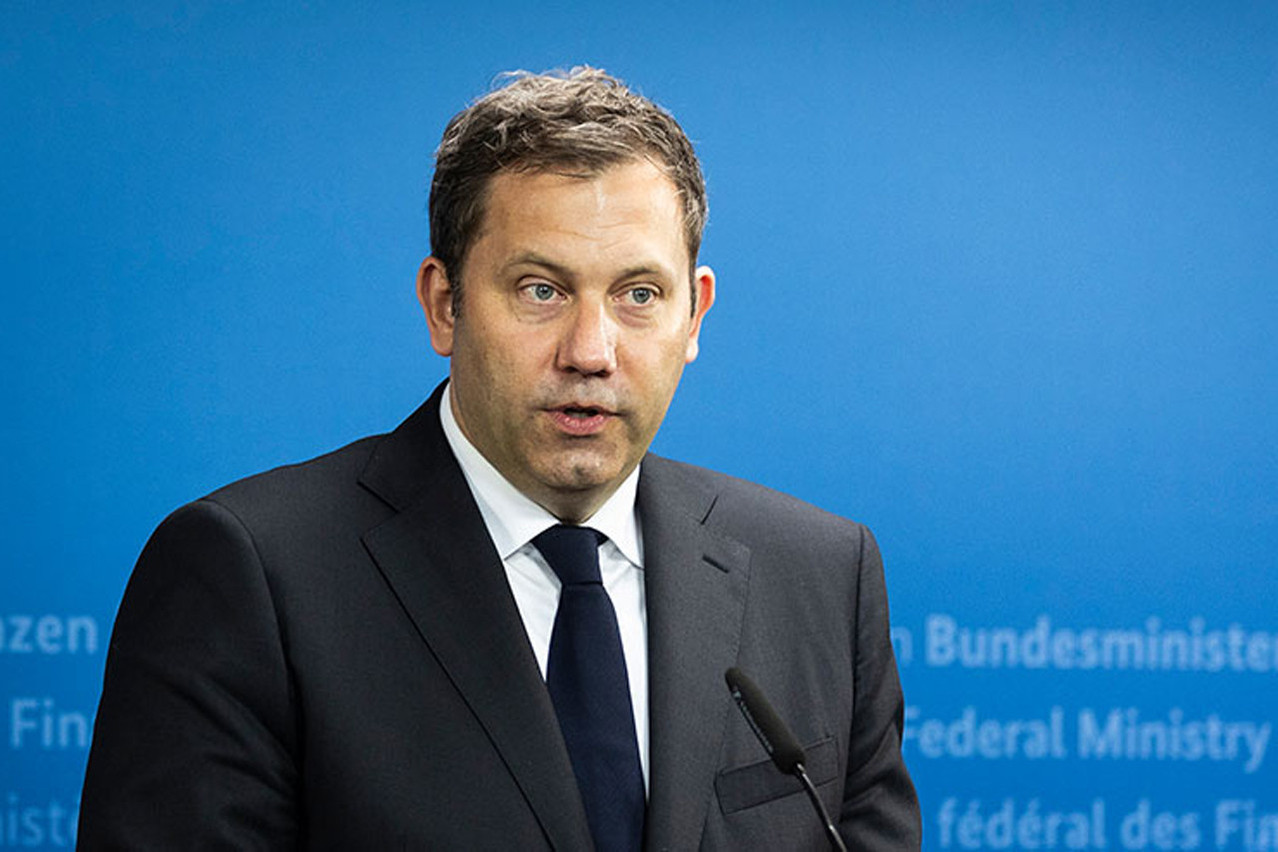
Faced with stagnant growth and two consecutive years of recession, Berlin is taking action. On Wednesday, finance minister Lars Klingbeil presented his very first bill: an emergency tax programme to revitalise the German economy. Between now and 2029, businesses will benefit from tax relief worth €45.8bn, with increasing effects from 2026.
One of the key measures is an accelerated depreciation of 30% per year for investments in equipment made between July 2025 and the end of 2027. From 2028, a gradual reduction in corporation tax, from 15% to 10%, will take over. “We’re boosting the economy with our growth booster. This will secure jobs and put Germany back on the path to growth,” said Klingbeil. “We are giving the economy the planning certainty it urgently needs and creating powerful incentives for investment.”
The plan also includes increased support for electromobility, with an initial tax deduction of 75% for company electric vehicles, and a ceiling raised to €100,000. Research has not been forgotten: the threshold for expenditure eligible for the tax deduction will rise from €10m to €12m between 2026 and 2030, with a flat-rate allowance of 20% to ease the administrative burden.
Whilst employers are welcoming the plan as a strong signal, several Länder (federal states) are already worried about a loss of revenue estimated at €28bn. The German minister still has to get the text through the Bundestag (parliament) by the end of the month.
This article was originally published in French.