As Colruyt turns a difficult page in France, the Belgian retailer is adamant that the French scenario cannot be transposed to Luxembourg. Neither in the short nor medium term.
As a reminder, last week the group announced the loss of around 700 jobs in France, including almost 600 in the Jura region. Contacted by Paperjam, the group confirms that it has “reached the final stage of stopping the shop formula in France”. Of the 105 outlets, 100 will be taken over, guaranteeing that 2,080 in-store jobs will be maintained. “On the other hand, no solution has (yet) been found for central services and logistics, resulting in the loss of 704 jobs”, the chain said.
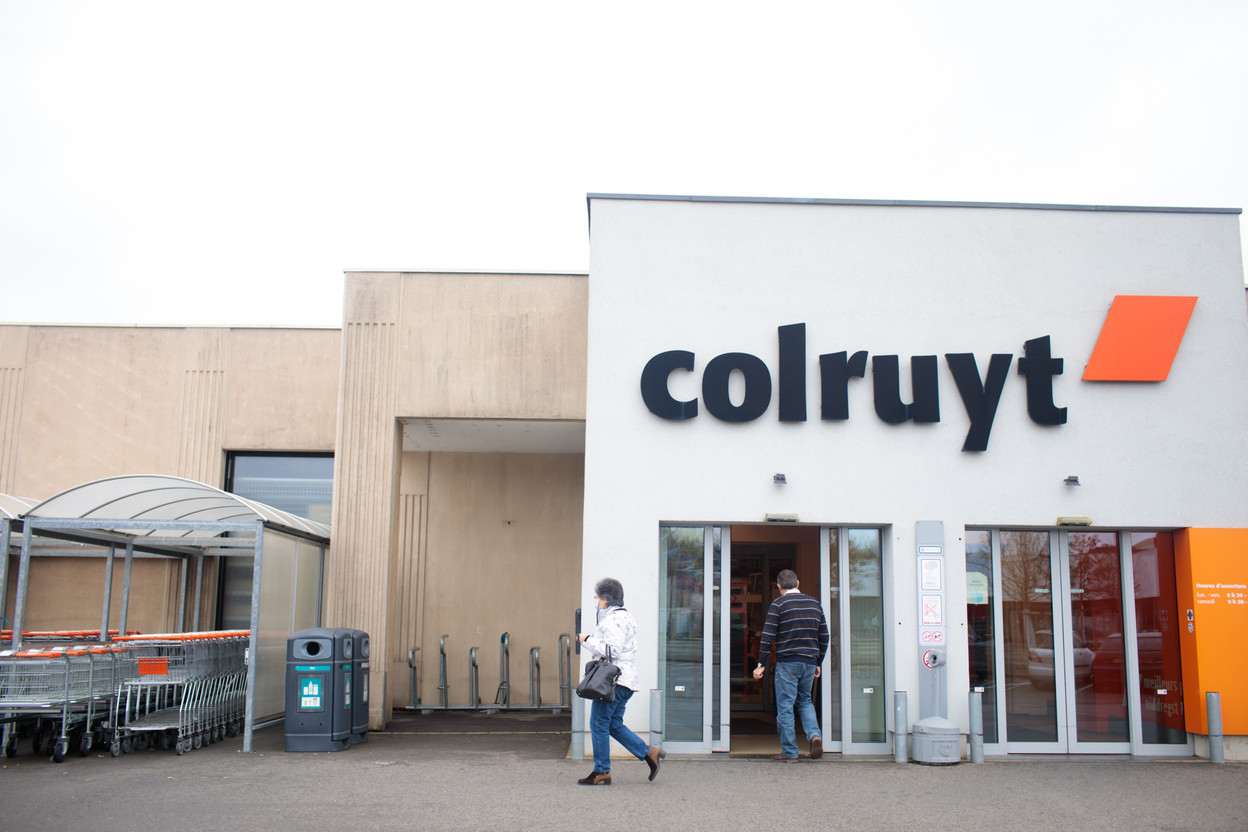
Also present in Luxembourg, where it operates six shops, the company was logically asked about a possible risk of contagion. The answer is straightforward: “Very clearly not.”
Two countries, two strategies
To understand this assurance, we need to look at how Colruyt applies its model to different markets. “In Luxembourg, we operate with an entirely different formula and positioning to the brand with which we were active in France,” the group tells us.
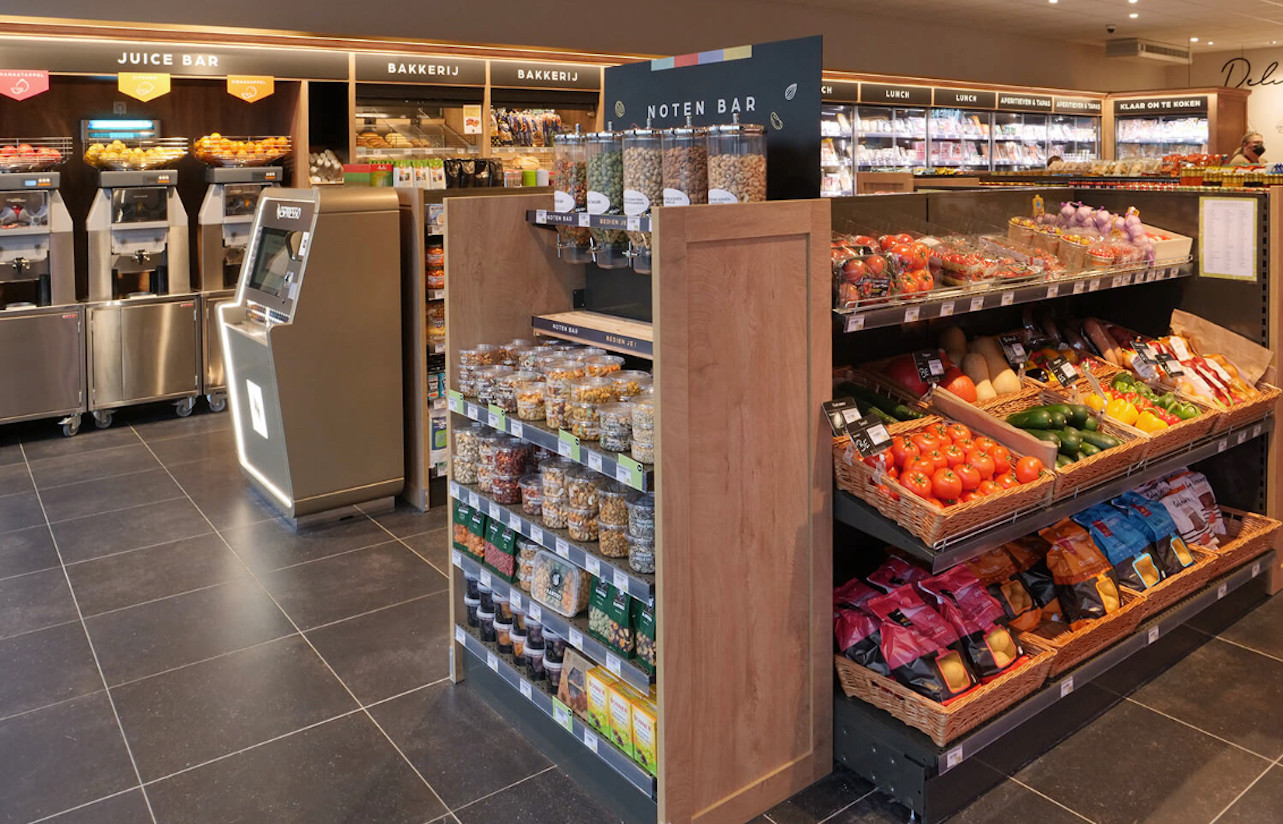
In our neighbouring countries, Colruyt operated under the banner Colruyt Prix Qualité. This strategy was based on local supermarkets, located mainly along main roads in (semi-)rural areas, often with a Collect & Go pick-up point. The stated ambition: to offer “the best value for money in the area for a comparable shopping list”, with a particular focus on fresh, regional and seasonal produce, as well as traditional butchery.
But this intermediate positioning has shown its limits in a particularly competitive French food retail market. The group’s annual report already recognised this: “While most shops make a positive contribution, they do not have the necessary base to achieve sufficient purchasing power and cover logistics overheads. Against this backdrop, various strategic options have been considered, such as a turnaround plan or divestment.”
Luxembourg, a different equation
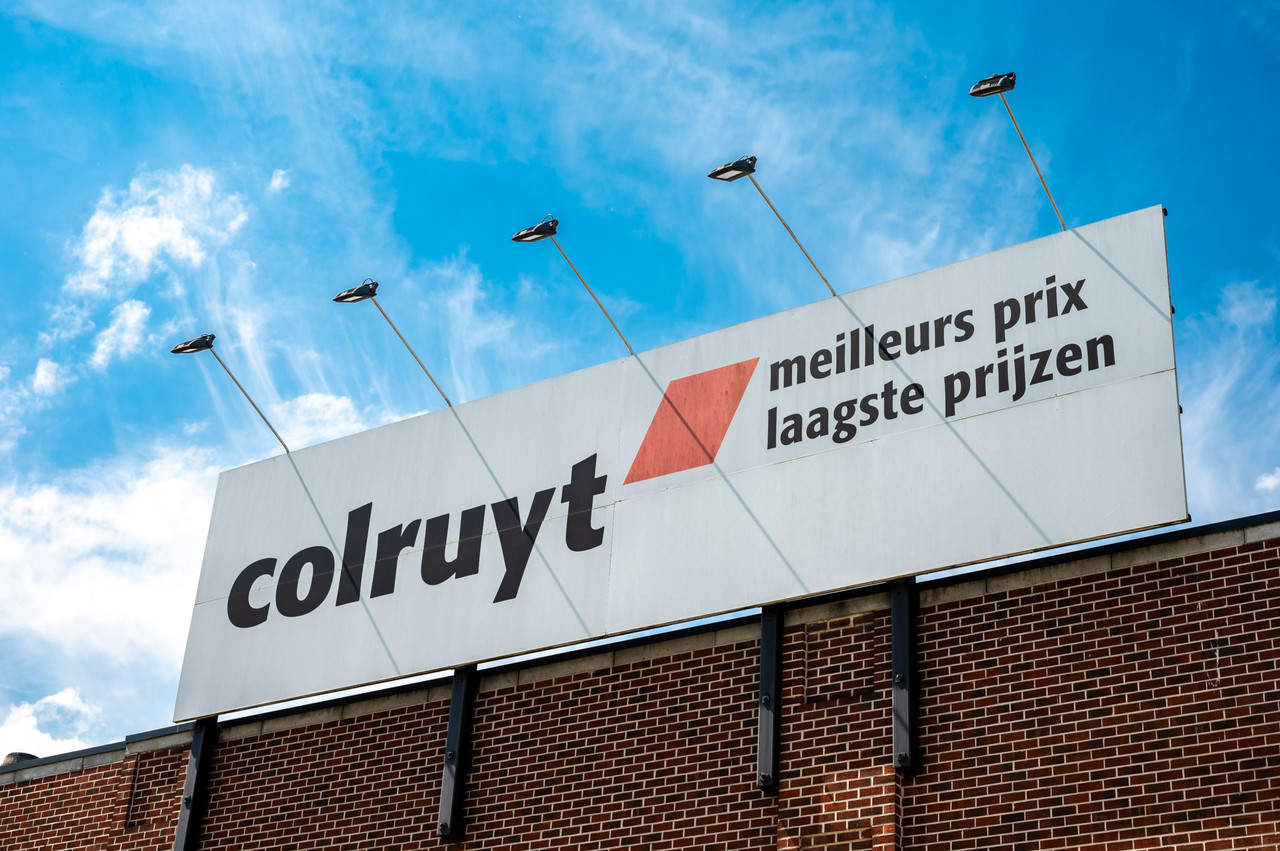
Nothing like this, according to Colruyt, in Luxembourg. The Group is deploying a different strategy there, called Colruyt Best Price, which is also used in Belgium. Here, the positioning is clear and assertive: price leadership.
This formula is aimed “primarily at budget-conscious households making their weekly purchases, but also at professionals, associations and families making volume purchases”. The aim is to offer the lowest possible prices on the local market every day. It’s a radically different model to the one being tested in France, and one that the group has no intention of calling into question in the Grand Duchy.
This does not mean, however, that this approach is completely unscathed. Colruyt acknowledges a slight decline in sales in the last financial year, which it attributes to a combination of economic factors, including adverse weather conditions, geopolitical disruptions affecting supply chains and persistent food inflation. For the company, however, these factors are part of an overall context and do not call into question the choices made on the Luxembourg market.