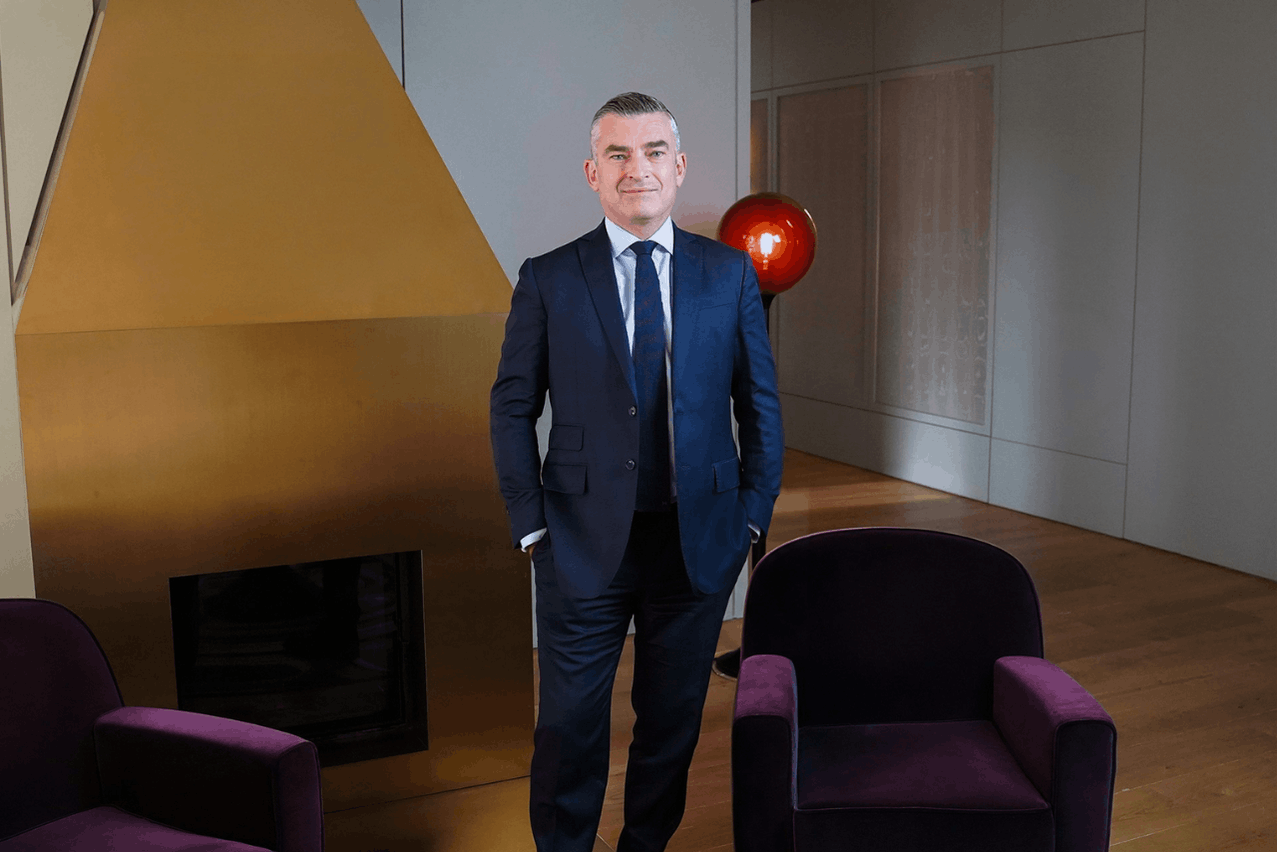
What qualities distinguish today’s CFOs who successfully drive transformation within their organizations?

It is about turning an ambition into tangible actions and outcomes. And finally, transformation is about people. You can have the right technology and the right strategy, but if people do not understand the purpose of the change or feel part of it, it will be very difficult to make it successful. AI is just a tool, it does not run “yet” any business by itself from scratch.
If you had to identify one top priority for finance leaders in 2026, what would it be?
“If I had to choose one, it would be turning technology and AI investment into measurable business value. There has been a lot of experimentation over the last few years. The next step is to be much more disciplined about where we scale, what problem we are actually solving and what value we expect to create. For CFOs, that means connecting technology decisions with productivity, better decision-making and ultimately business performance.
The objective should not be to adopt AI because everybody is talking about it. It should be to use it where it genuinely makes the organization better. This is closely aligned with EY’s 2026 outlook, which says organizations are moving from broad AI experimentation toward targeted scaling in areas where AI can improve productivity, decision-making or customer value.
By bringing together CFOs from diverse industries, what key message do you hope this discussion will deliver?
“I hope the message is that, despite working in very different industries, CFOs are facing many of the same fundamental questions: how do we grow in an uncertain environment, how do we use technology responsibly, how do we manage increasing complexity, and how do we continue investing for the future while delivering today? What makes discussions like this valuable is that there is no single answer.
We can learn a lot from how other industries approach the same challenges. And I think Luxembourg is a particularly good place for that conversation. We have a very international business community, so bringing different perspectives together is part of how we work.”