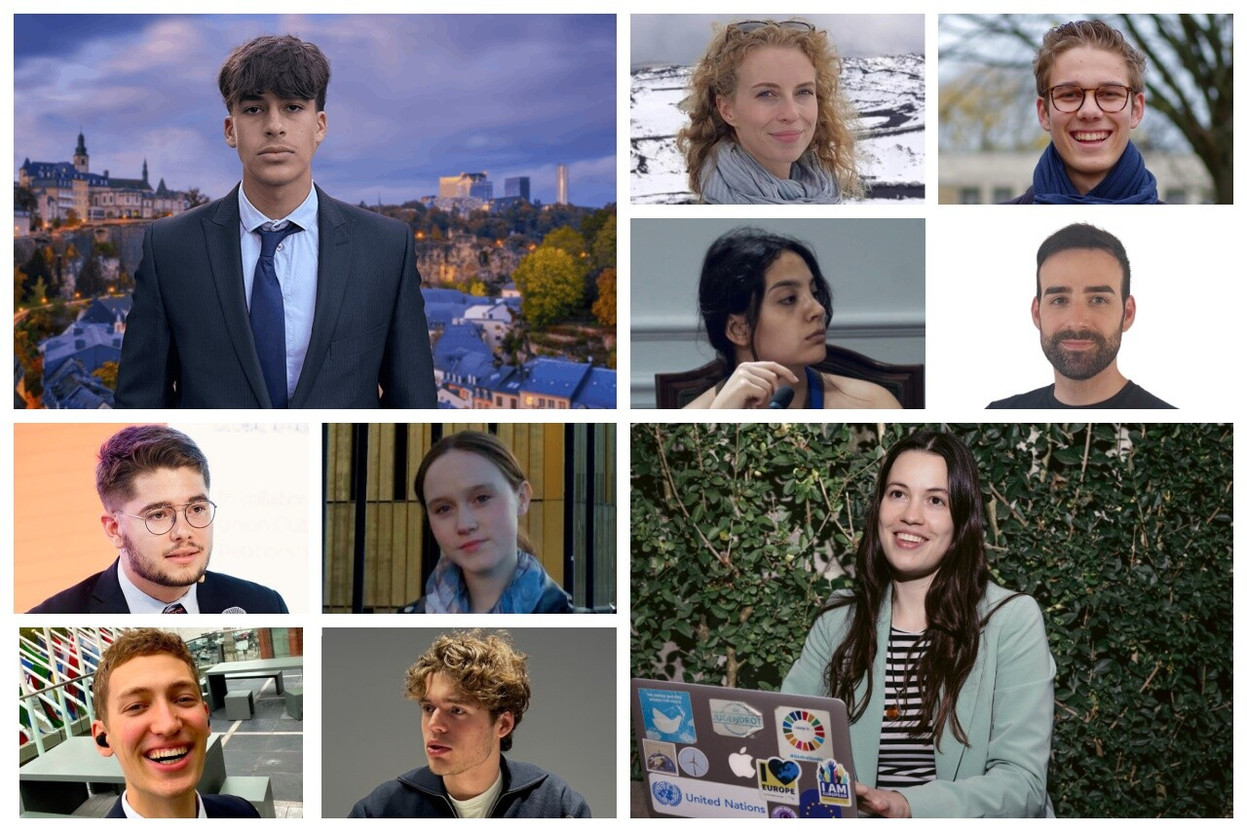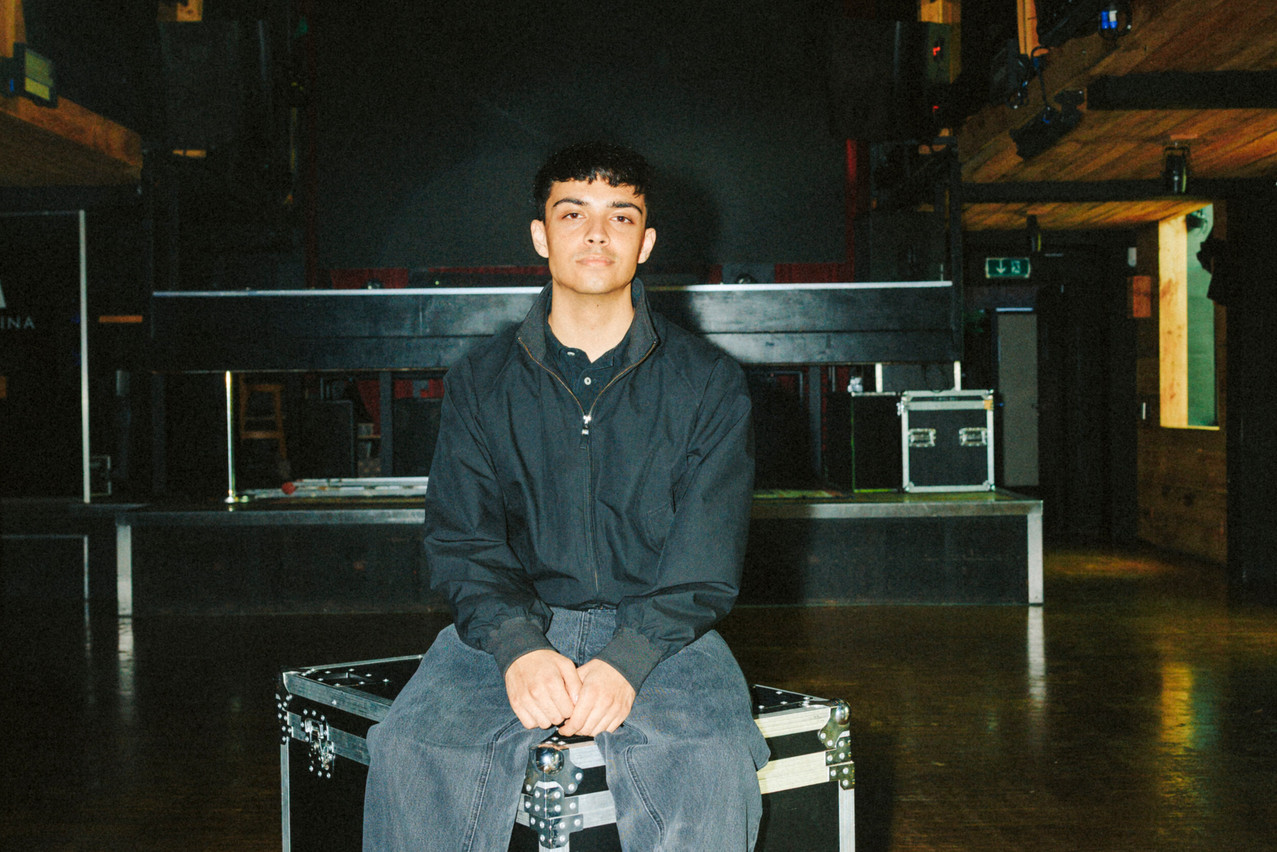
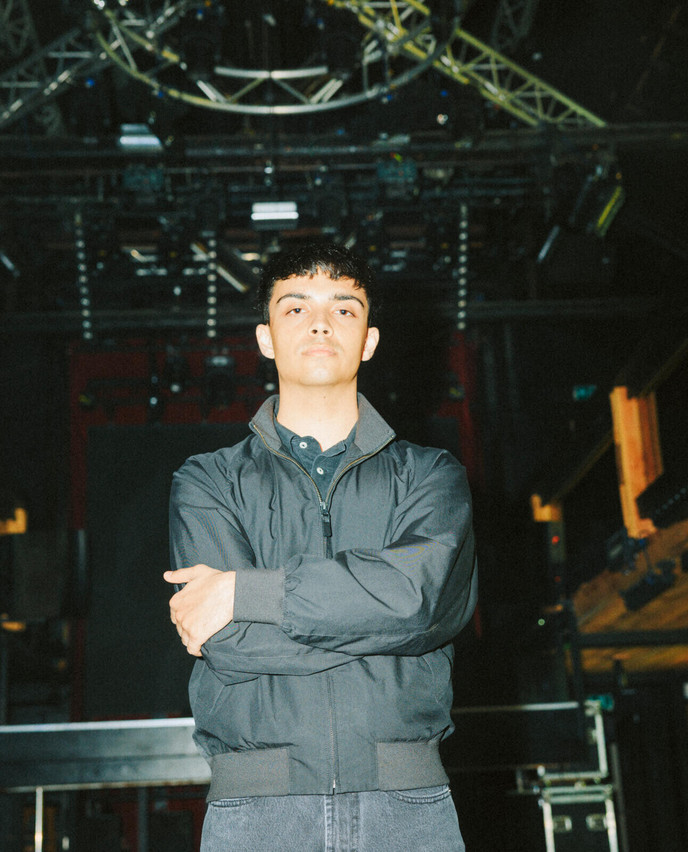
“To transform Luxembourg into a music capital”: that is the ambition of 20-year-old Timothy Bettega. For the past three years, through Black Thunder, he has been building electronic music formats from Melusina to the Rockhal—where he launched Do You Rave?—and on to Mudam Open Air, conceived as a more open-format event held in the late afternoon. Through these events, he aims to demonstrate that a visible, structured and accessible electronic music scene can exist in Luxembourg. But to achieve this, he believes, the country must better support those trying to build it. “We have the capacity, but it is limited by institutions that aren’t necessarily keen to see the scene evolve.”
According to him, the problem is not demand: events are often sold out, while some formats can attract several thousand people. The main obstacle, he says, is administrative. “Luxembourg isn’t really open to this sort of project and these sorts of ideas yet,” says the young organiser. “From an administrative point of view, it’s a real nightmare trying to organise an event, whether it’s outdoors or in a building.”
There was a lack of events, a lack of nights where people could really connect with the music.

He also points to a lack of support. “I’ve submitted more than ten applications” to the Ministry of Culture, he says. “They were flatly rejected, without any explanation.” In his view, the electronic music scene still suffers from a poor image. “Our aim is to restore its reputation and rebuild confidence.”
A gap identified in the nightlife scene
It was against this backdrop that he launched Black Thunder in 2023. Prior to that, Timothy Bettega spent three years photographing Luxembourg’s nightlife. “When you’re taking photos, you spend a lot of time observing people, what’s happening in the surroundings and the atmosphere.” He says he then noticed a disconnect: at certain more commercial events, the audience seemed less interested in the music or the artists than in drinking or the night out itself. “People weren’t making the most of the moment,” he observes. This gave rise to the idea of offering something different: a more open electronic music scene, centred on the musical experience. “There was potential to do something different in Luxembourg.”
This shortcoming also extended to how to reach younger audiences. Whilst some events were still relying heavily on Facebook for their communications, he opted for Instagram, WhatsApp groups and the language of his generation. “I adapted to what was in vogue.” At 17, he launched his first techno event. Originally planned for a smaller space at Melusina, it ended up moving to the club after selling out. “I was quite stressed. I thought to myself: imagine if it doesn’t work out.” A few days later, Black Thunder already had 1,000 followers.
From Melusina to Mudam
Since then, his activities have expanded. At Melusina, Black Thunder remains his signature brand. At the Rockhal, he launched ‘Do You Rave?’, first as a club night, then in more ambitious formats. The venue allowed him to scale up, with greater capacity and more elaborate productions. “The Rockhal is the largest main venue we have in the country. It gave me the key to collaborating with other venues.”
At Mudam, he is developing a new format, inspired by an electronic music event he discovered at the Musée d’Orsay in Paris. With a focus on house, French touch, funky house and disco, Mudam Open Air aims to attract a wider audience in the late afternoon. “I wanted to create an event where people feel at ease, where people, after work, can simply have a drink and listen to good music, without feeling overwhelmed.” This collaboration also plays a symbolic role. For the founder of Black Thunder, it shows that a cultural institution can open itself to the electronic music scene. “It’s proof that there is still a possibility that institutions can be open.” But that trust remains slow to build and fragile. “We work, we fight, and in the end, there might be a new management team that knows nothing about it, and we have to start all over again.”
A community rather than just an audience
Beyond the line-up, Timothy Bettega emphasises an approach centred on quality and safety. “The aim is to put on high-quality events where people feel safe.” At certain events, he works with the Pipapo charity, particularly on prevention and drug checking. He also stresses that his techno nights take place without any major incidents. “We’ve never had a fight, never had to call an ambulance for alcohol poisoning.”
Black Thunder is not a collective, he points out, but a company he founded and runs on his own. The aim, however, goes beyond organising events: it is about building a community—both physical and digital—around the electronic music scene. “There was a lack of events, a lack of nights where people could really connect with the music,” he explains.
“There was potential to do something different in Luxembourg,” explains Timothy Bettega. Photo: Julian Pierrot/Paperjam
Supporting local artists
When putting together line-ups, Timothy Bettega aims to combine international and local artists. “The aim is always to book an international headliner, followed by two local artists: one to open and one to close.” Giving this prominence to Luxembourgish artists is one of the areas he wants to strengthen. In his view, the country has plenty of talent, but still lacks the infrastructure to promote it and help artists develop professionally.
The next step involves Black Thunder Agency, an organisation currently being set up to support artists in the electronic music scene, as well as videographers and photographers. The idea is to enable event organisers and venues to book DJs and visual artists, whilst giving local talent greater visibility. Ultimately, he also aims to facilitate collaboration with the international scene. “I book their artists, but they book mine, so that Luxembourgish artists can perform on the international stage.”
“More of an organiser than an entrepreneur”
Yet the young Luxembourger does not primarily see himself as an entrepreneur. “I’d say I’m more of an organiser.” His aim, he insists, remains above all cultural: “To bring something back to Luxembourg” and to make “an impact on the nightlife and culture.”
His path has taken shape outside traditional routes. After a period working as a nightlife photographer, Timothy Bettega left the school system and gradually turned to event organisation. “I think I grew up too quickly,” he says. Today, he primarily embraces a hands-on approach. “From a very young age, I’ve always had this leadership side. I had to bring what was in my head to life, carry it through, create it, and make it real.”
With Black Thunder, he wants to turn an intuition born behind a camera into a genuine cultural lever. And to show, event after event, that if Luxembourg is to exist on the European electronic music map, the scene is already there. What remains is to give it the means to grow.
This article was written for the May 2026 issue from Paperjam magazine, published on 29 April. This content has been produced exclusively for the magazine. It is published on the website to contribute to Paperjam’s archives. Click on this link to subscribe to the magazine.
Is your company a member of the Paperjam Club? You can request a subscription in your name. Please let us know via club@paperjam.lu.