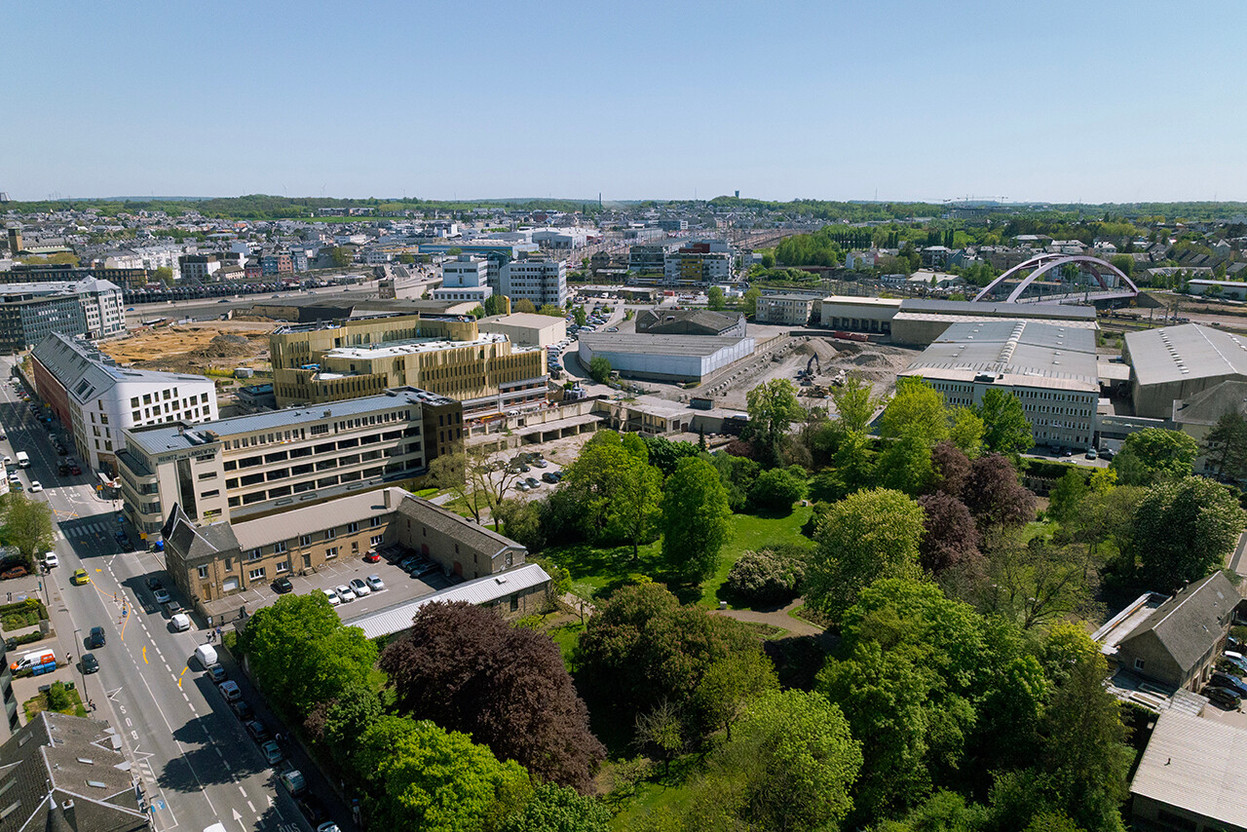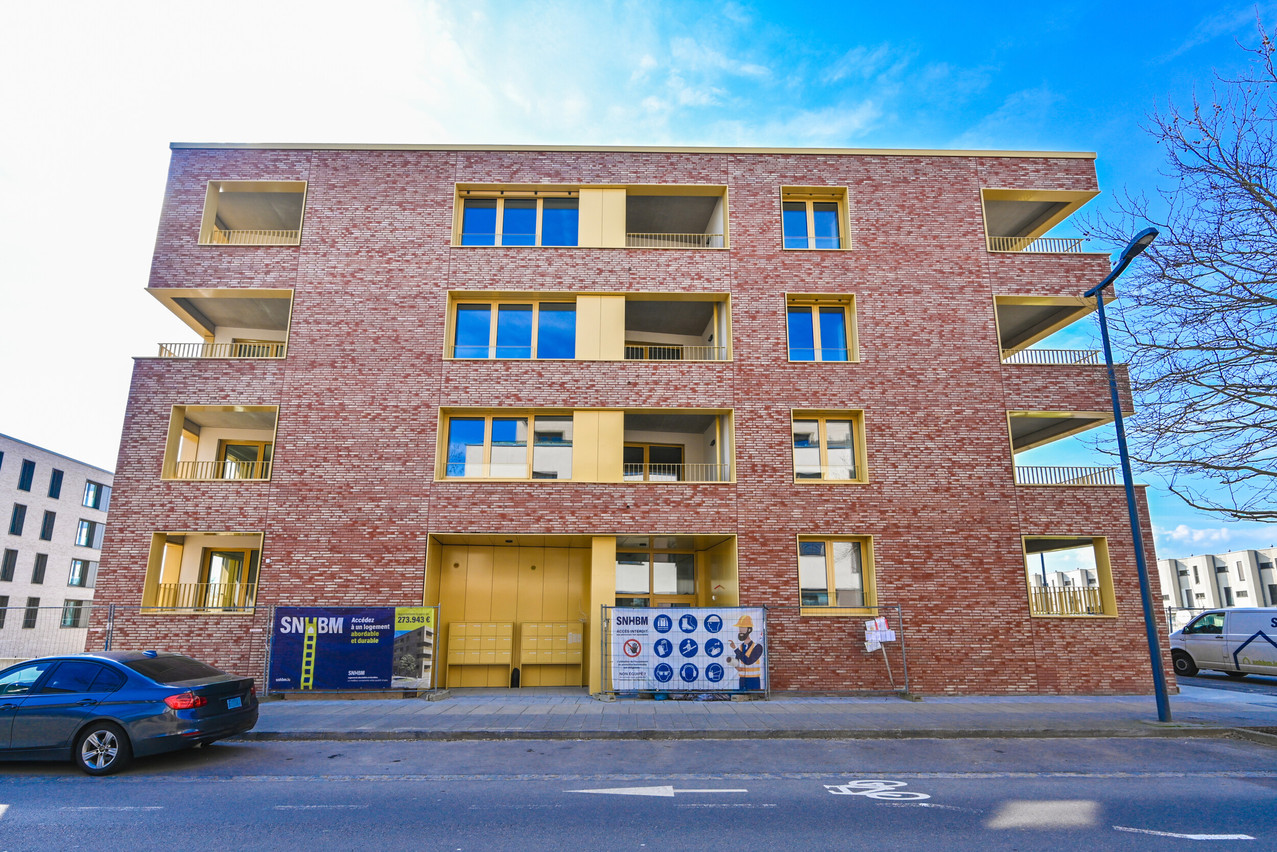
For a long time, Luxembourg allowed the private sector to shoulder the bulk of housing production. However, soaring prices, rising interest rates and a surge in demand have gradually strained a model that is unable to meet the needs of a growing section of the population. The SNHBM’s 2025 annual report marks a symbolic turning point in this regard.
Never before has the public housing developer, established in 1919, started work on so many homes in a single year. In total, 473 homes were started in 2025, compared with 301 in 2024, representing an increase of over 57%. Of these, 337 homes were developed directly by the SNHBM and 136 came from the government’s programme to acquire off-plan properties (Vefa). This mechanism enables the public authorities to reclaim homes originally intended for the private market in order to incorporate them into the affordable housing stock.
A deliberate shift in scale
The chair of the board of directors, Annick Rock, speaks of a “significant acceleration” aimed at providing long-term support for the national affordable housing policy. The figures do indeed reflect a rise in operational capacity. By the end of 2025, the SNHBM had 1,335 homes under construction, compared with 1,092… a year earlier. At the same time, 288 homes were completed, compared with 250 in 2024.
However, the public body also has ambitious plans for the medium term: to build between 350 and 400 homes a year and to develop a land bank that will enable the construction of nearly 3,000 additional units.
This acceleration comes at a particular juncture for the Luxembourg property sector. Since 2022, the market has experienced a sharp slowdown due to the combined effect of rising interest rates, inflation and a decline in household purchasing power. Several private developers have put their projects on hold or delayed them, creating greater scope for public sector intervention.
The government is back in the game
The development of social housing has historically been limited in Luxembourg compared with other European models, such as Vienna or certain Dutch cities. Despite its long history, the SNHBM has for a long time accounted for only a marginal share of national housing production.
However, the recent crisis seems to have accelerated a growing political awareness: without more robust government intervention, home ownership and renting are likely to become out of reach for a significant proportion of the middle classes.
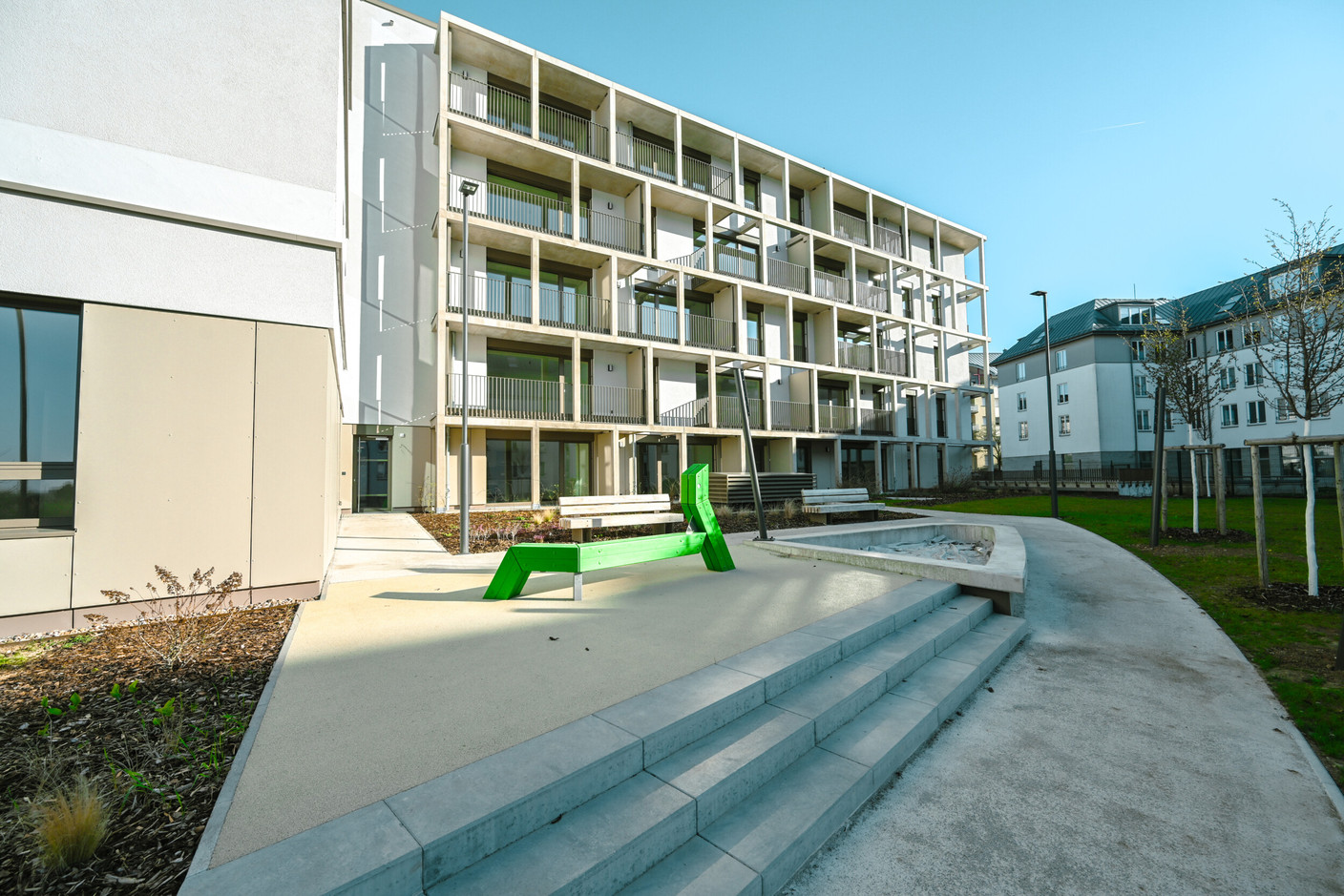
This trend is clearly evident in the growth of the SNHBM’s rental stock. This stood at 613 units at the end of 2025, compared with 548 in 2024. To date, the stock already comprises 624 affordable rental homes.
The number of applications also reflects the growing pressure. By the end of 2025, more than 5,700 people were on the waiting list for affordable rental accommodation, whilst more than 8,100 people were interested in buying a home.
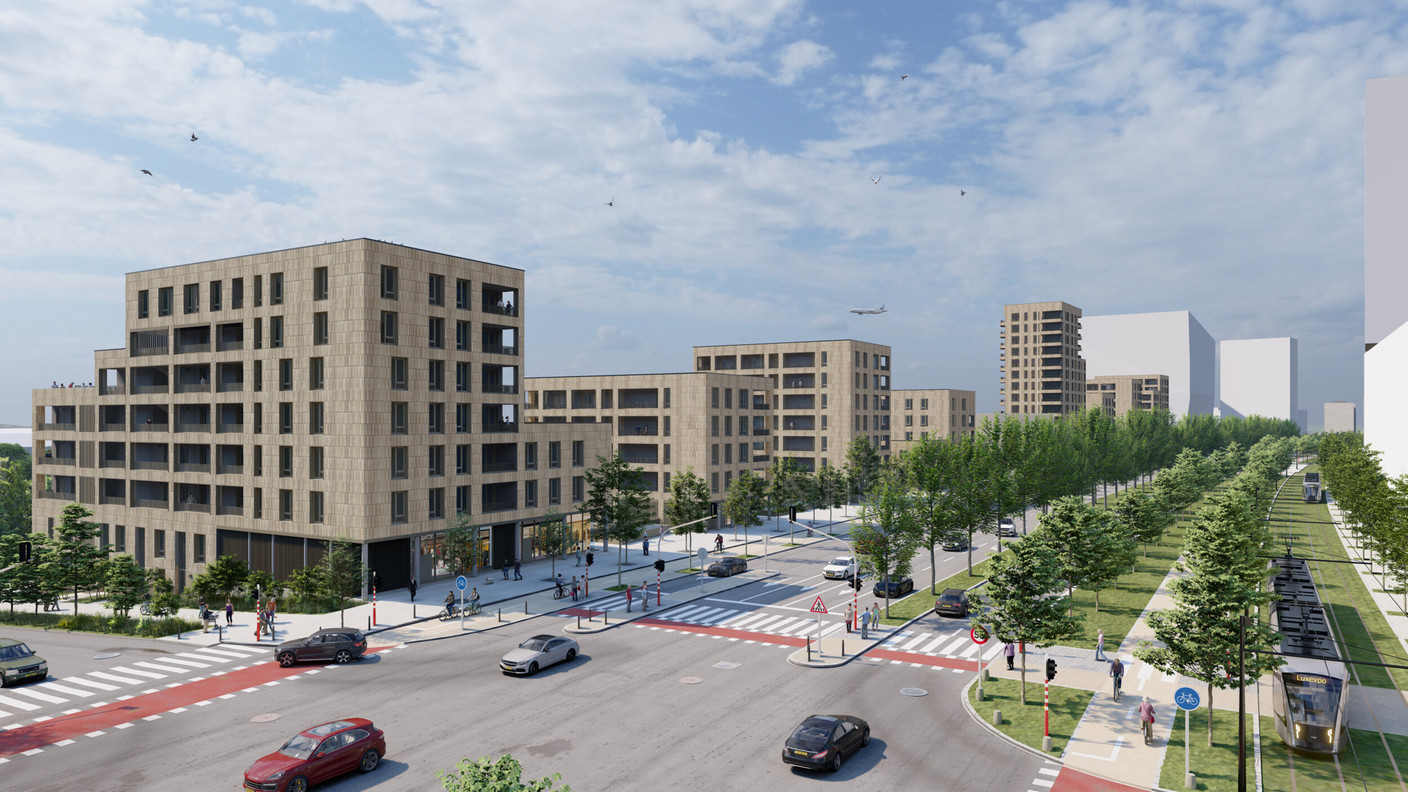
This strategy is now being implemented through several major urban development projects across the country. In Luxembourg-Bonnevoie, the Itzigerknupp project will eventually provide 750 homes, 600 of which will be built by the SNHBM. In Kirchberg, the JFK Sud project will deliver around 230 homes spread across nine buildings.
Olm: a reflection of a new public ambition
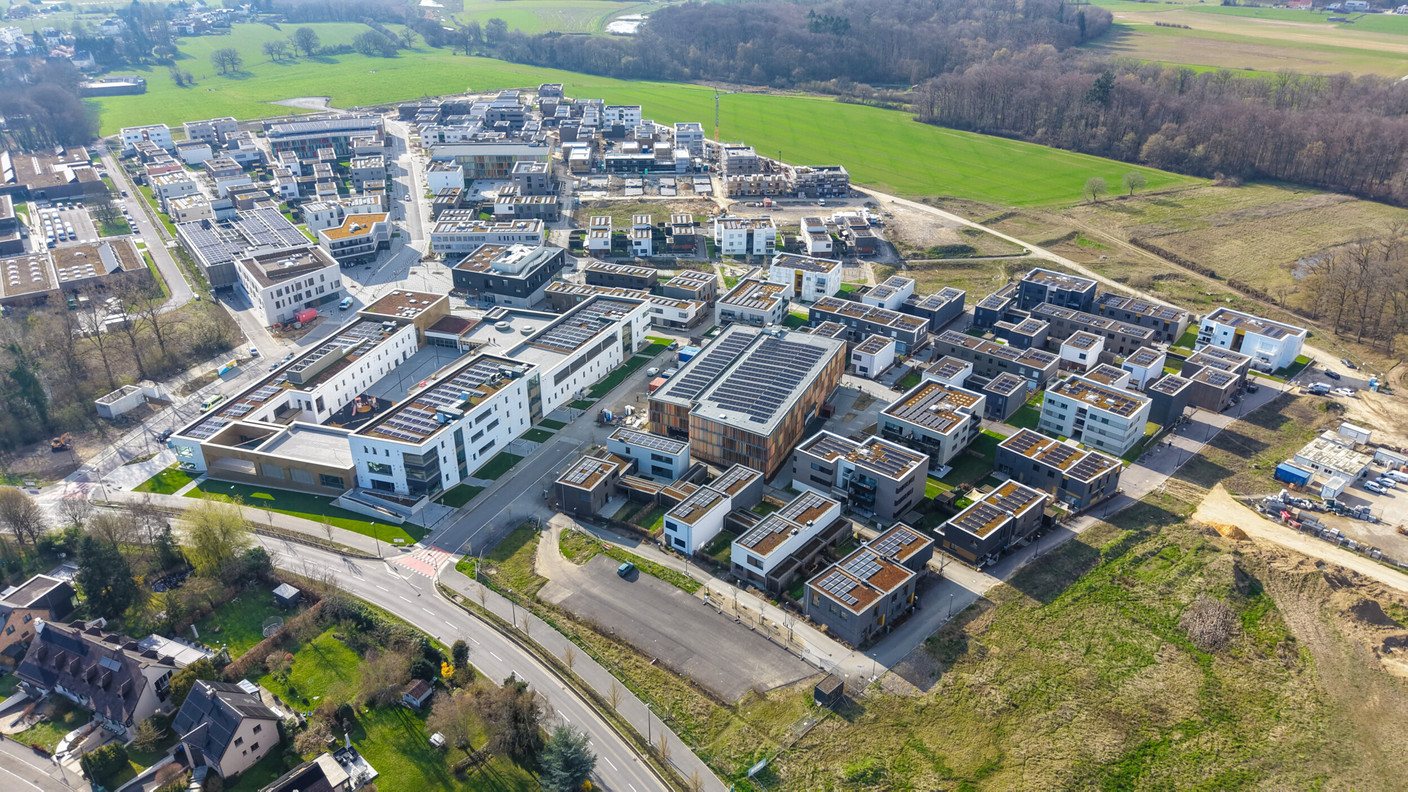
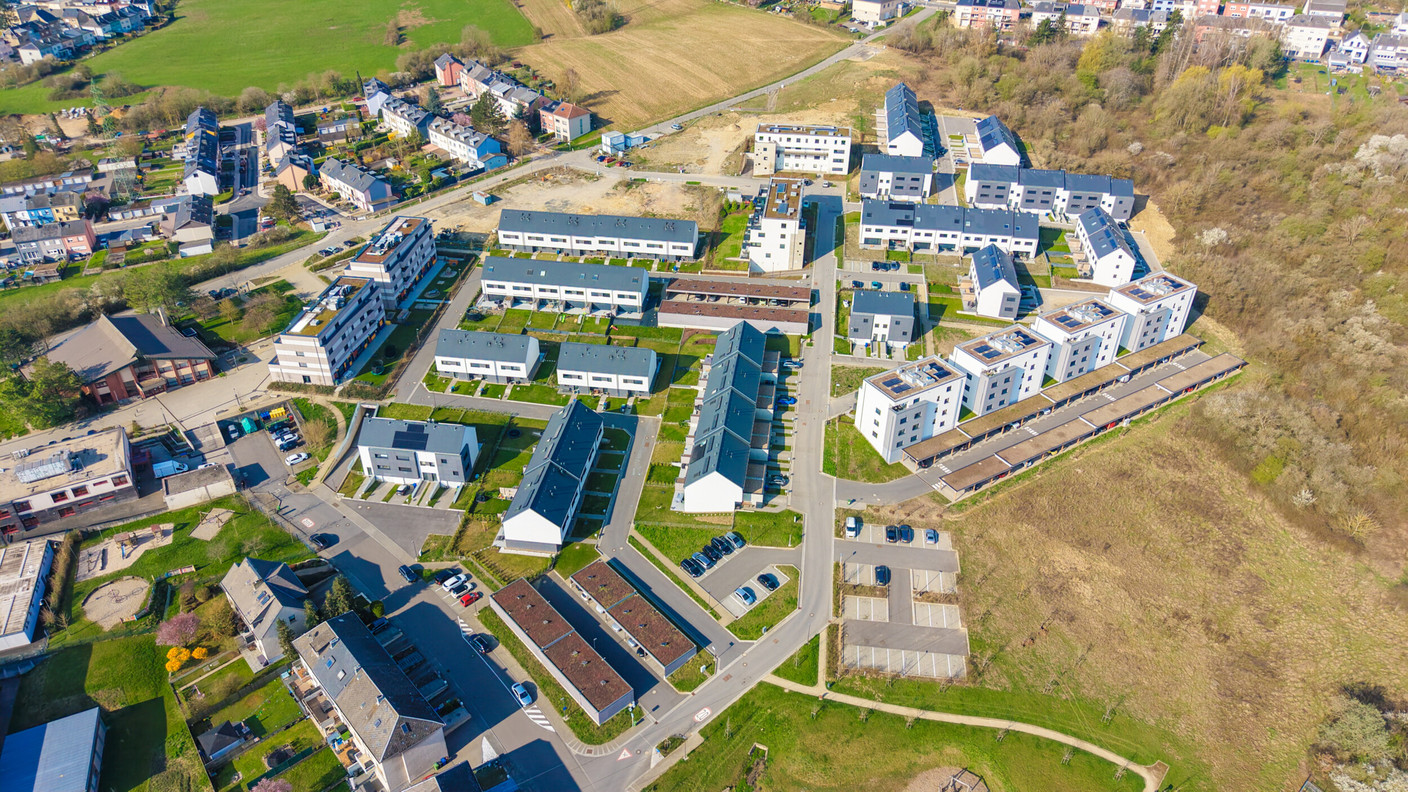
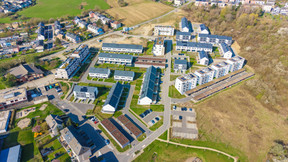
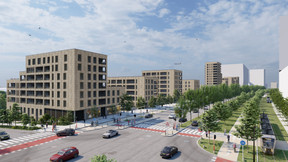
But it is above all Elmen, in Olm, that epitomises this new public ambition. Spanning 27 hectares, the development is set to provide between 750 and 800 homes and accommodate up to 2,000 residents. More than just a housing estate, the project aims to create a truly mixed-use neighbourhood, combining housing, shops, a school, a nursery, local amenities and social facilities.
The SNHBM is also promoting a different approach to urban planning here, with centralised car parks, timber-framed housing and spaces designed to enhance quality of life. It is worth noting that nearly 1,000 residents already live on the site.
The limitations of the model
Despite this growth, several limitations remain. SNHBM’s chief executive, Guy Entringer, himself points out that the issue of land remains central and sensitive. With a target rate of 350 to 400 homes per year, the current land reserve could be exhausted by the end of the decade. Dependence on land availability, administrative red tape and development delays remain major obstacles.
Another challenge is maintaining reasonable prices in a market where construction costs continue to rise. In 2025, the average sale price for subsidised housing stood at around €4,750 per square metre – a level well below that of the private market, but still too high for some Luxembourg households.
The question of scale also remains. Even with 400 homes being built each year, public housing provision remains relatively limited compared with the country’s structural needs.