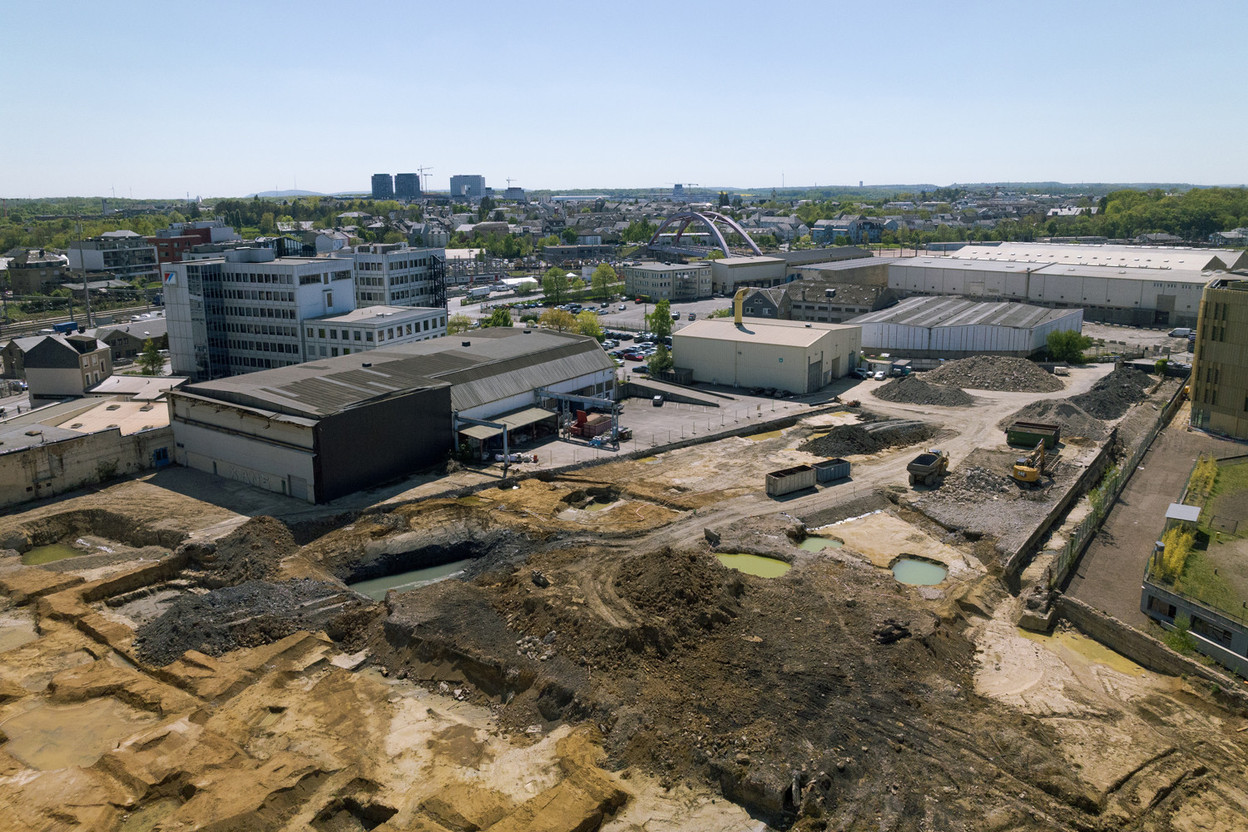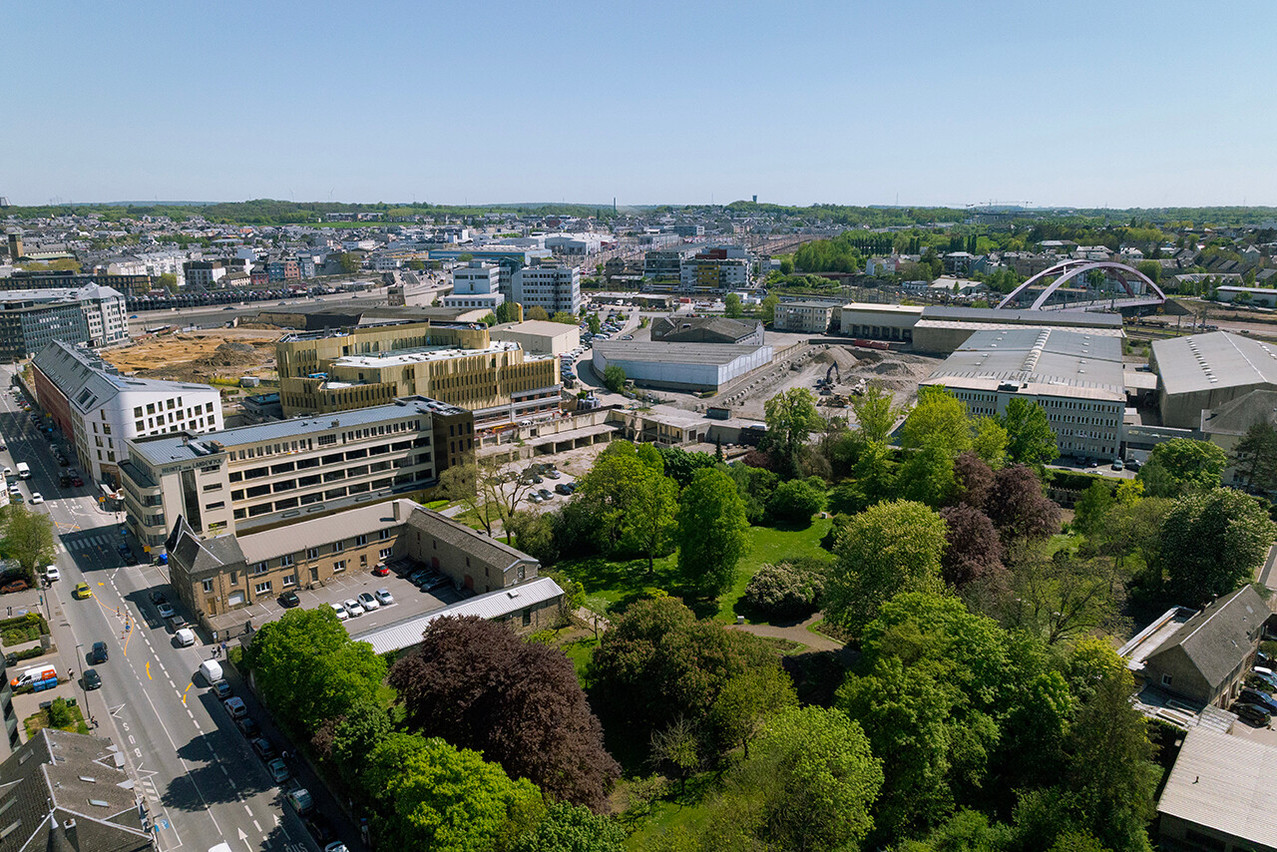
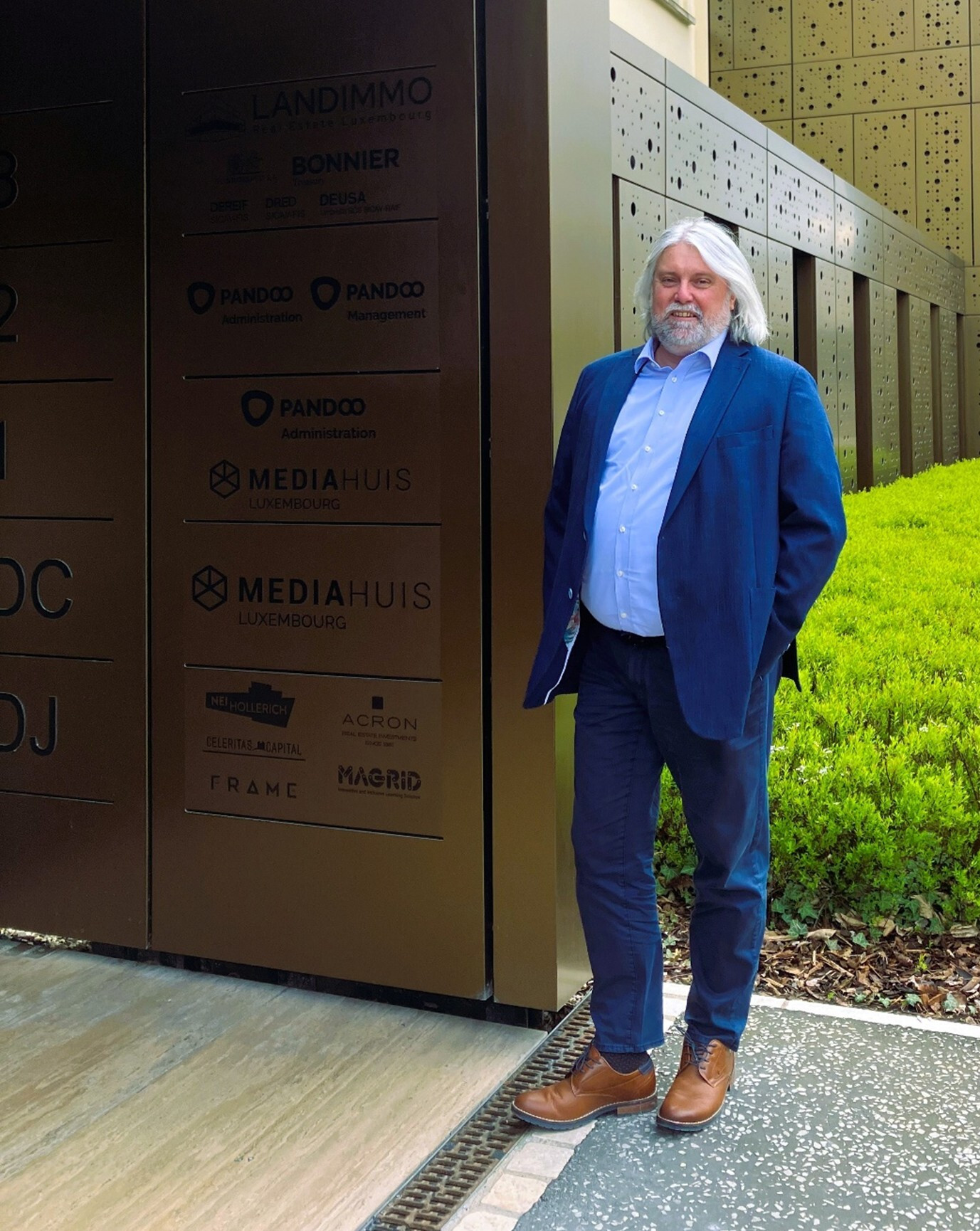
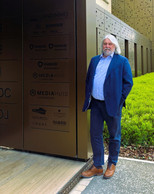
In line with the new project, the Nei Hollerich Economic Interest Group (EIG) is changing its legal status to become a limited liability company (sàrl), a clear sign that the project is moving towards full-scale development. Yves Biwer, an environmental engineer, has over 25 years’ experience in urban development. Having worked at Paul Wurth and on several major neighbourhood projects in the south of the country, he will now be responsible for coordinating the various operational phases of one of Luxembourg’s most closely watched projects.
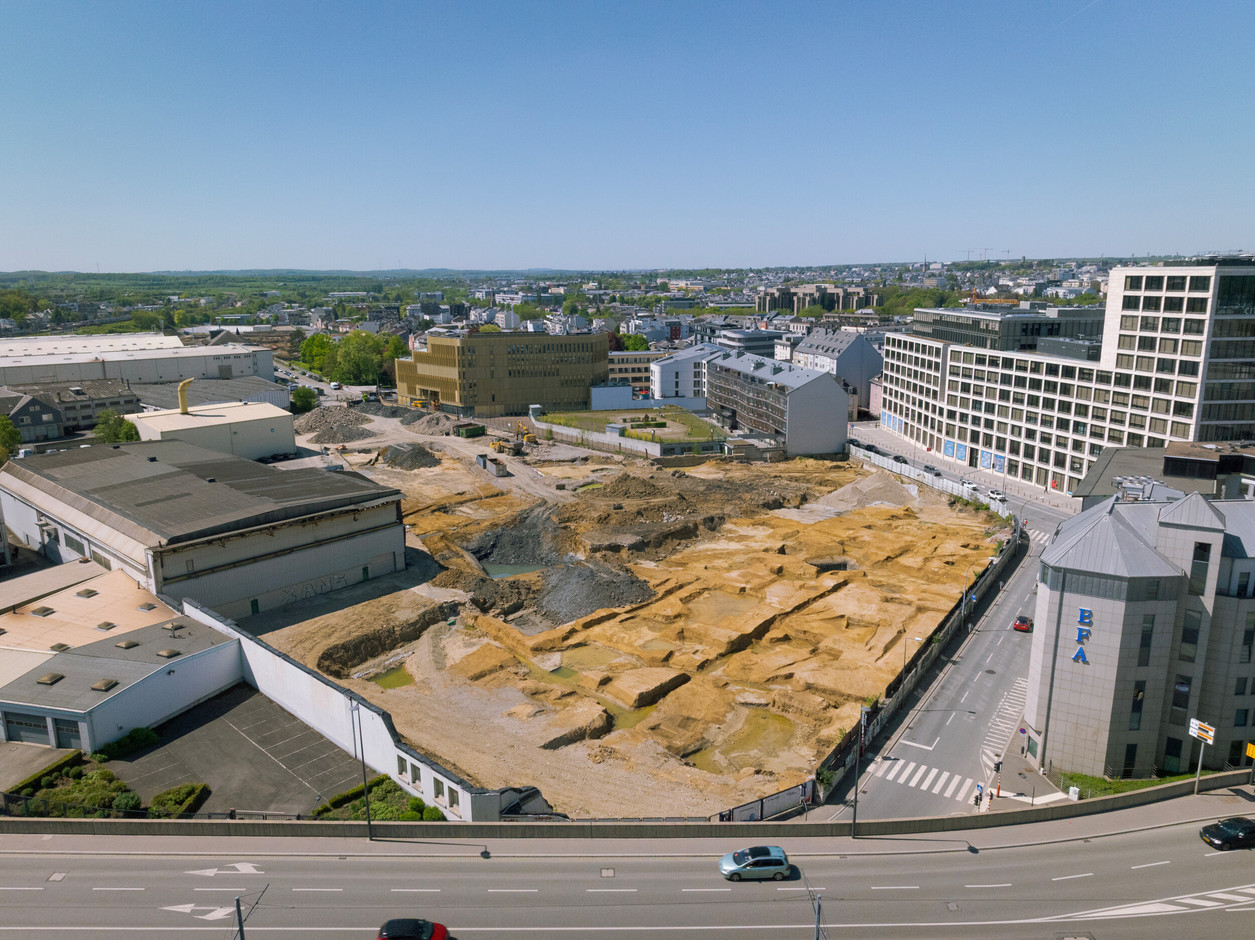
For Landimmo, this appointment comes at a pivotal moment. Having invested over €30m in feasibility studies, refurbishment and demolition work, the developers say they are finally in the home stretch ahead of the start of construction later this year.
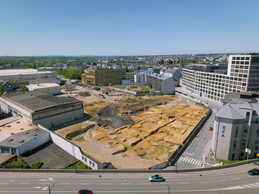
Conceived as a new part of the city blending listed industrial heritage with new developments, Nei Hollerich aims to become a ‘sustainable and intergenerational’ neighbourhood. But behind the urban promises, the project still faces a number of challenges: cost control, tight deadlines, transport issues and social acceptance in a property market that remains under pressure.
The transformation of the GIE into a commercial company also marks a turning point in the project’s governance. This development reflects the shareholders’ desire to move from a planning-focused approach to a fully operational one.
Spotlight on this architectural gem set to transform the look of the Gare district…
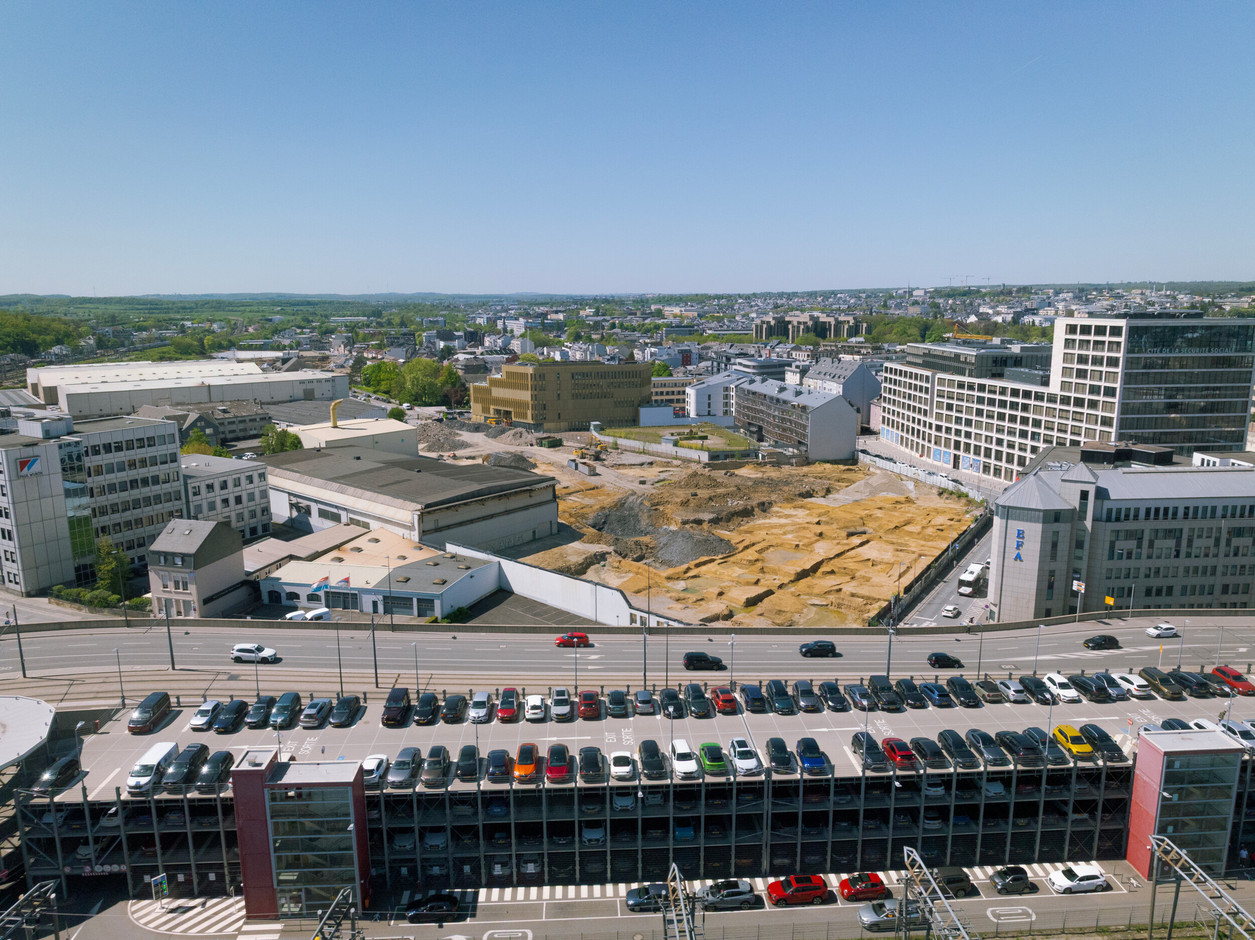
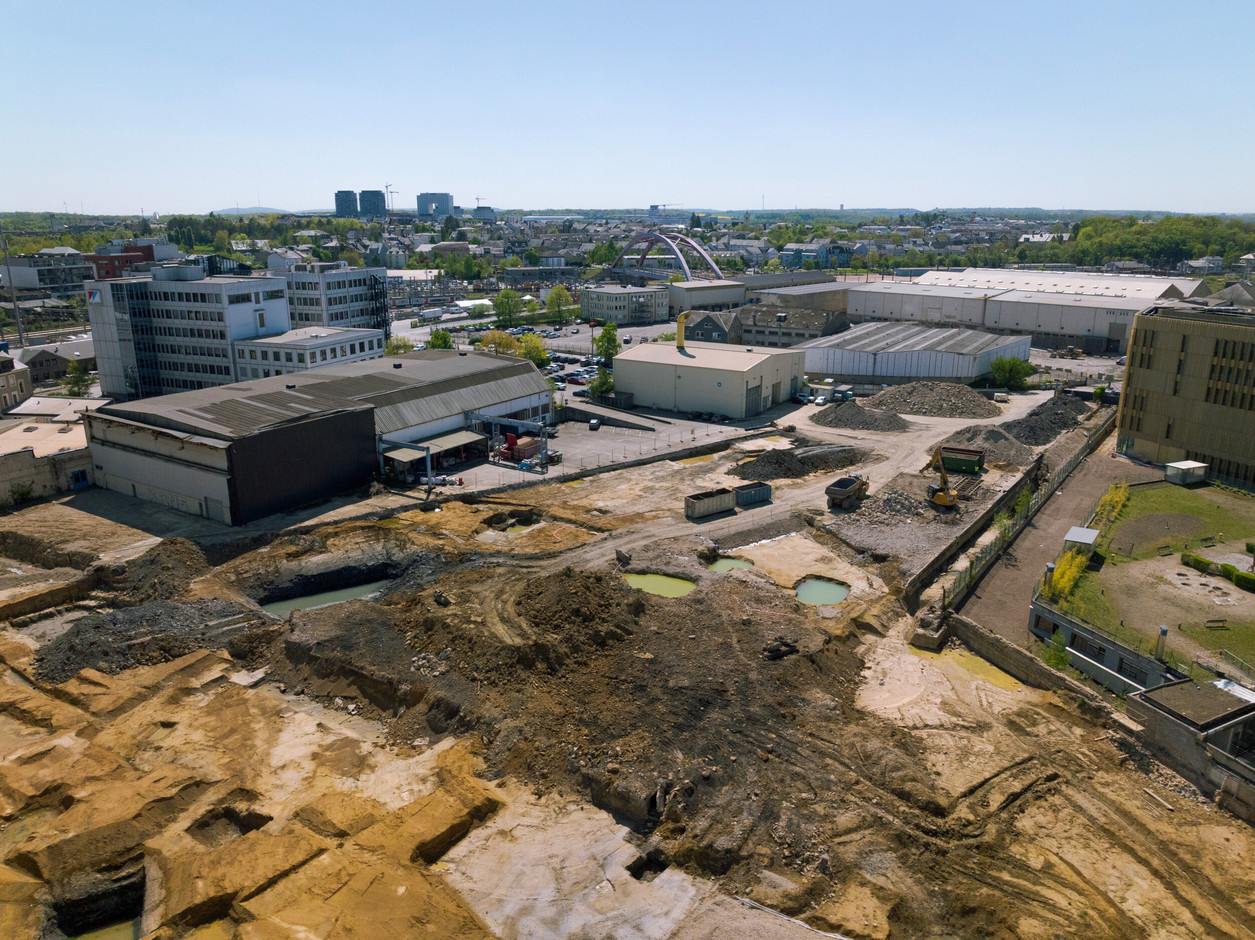
After more than ten years of planning and nearly €30m already committed, how can one not imagine that the Nei Hollerich project will become yet another symbol of Luxembourg’s sluggishness when it comes to urban planning?
Yves Biwer. – “Today, all the groundwork has been laid: both private and public stakeholders are ready to begin work. The necessary permits and agreements are in place, paving the way for the project to get off the ground.” The first buildings and facilities are expected to become operational shortly, with extensive public transport links available from the very outset. This should also attract other investors, thereby accelerating the overall development of the neighbourhood.
Have any investors come forward yet?
“That’s right. Although the marketing isn’t being handled directly by the local council, but by the owners and developers are reportedly already interested. Having waited for the official signing of the agreements in order to obtain clear confirmation of the project’s progress, according to our information, some investors are reportedly ready to sign.
Against a backdrop of rising construction costs and a slowdown in the property market, to what extent can the project’s architectural and environmental ambitions be maintained without costs spiralling out of control?
“The construction sector is currently feeling the effects of geopolitical crises and rising prices. However, the project is already based on a master plan and town planning regulations (PAP) that guarantee a certain standard of architectural quality. As for energy and environmental considerations, these now represent a genuine selling point in terms of quality and value for investors and developers. Optimisations will likely be necessary during certain more complex phases, but this will not necessarily be at the expense of the project’s overall quality.
Diversity is one of the cornerstones of the project, and a significant proportion of the homes will be affordable.

The project promises a sustainable and accessible neighbourhood. Given the risks of gentrification, what role will the middle classes and local residents actually play?
“Diversity is one of the cornerstones of the project. The plan provides for around 50% of the site to be allocated to housing, a significant proportion of which will be affordable housing. Public sector bodies will provide a significant proportion of this affordable housing, whilst private developers will also be subject to obligations regarding affordable housing. This arrangement should improve accessibility for different social groups and help to address the housing shortage in Luxembourg.
Do you already have any idea how affordable housing will be allocated?
“Allocations should primarily be managed by public housing providers, such as the Housing Fund and similar bodies. A large proportion of the affordable housing is expected to be offered for rent, although some of it may also be available for purchase through various government schemes.”