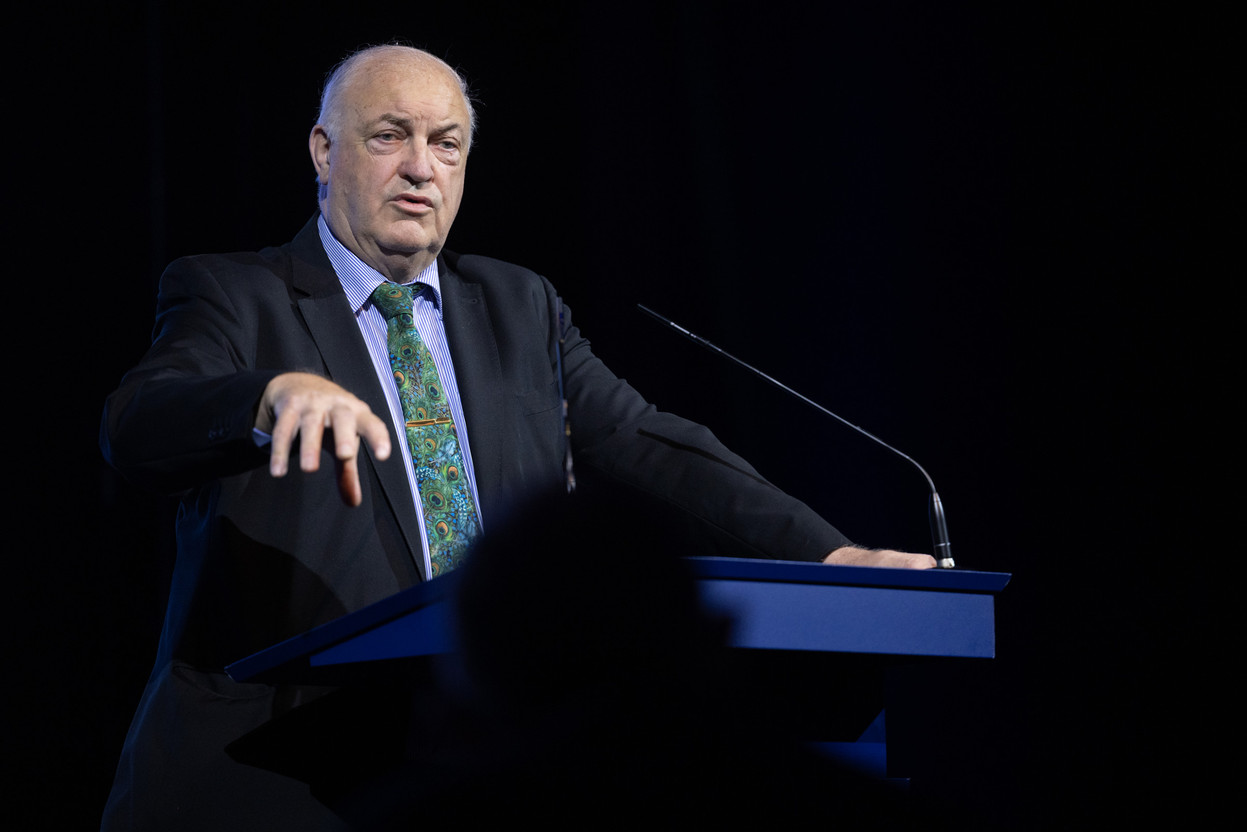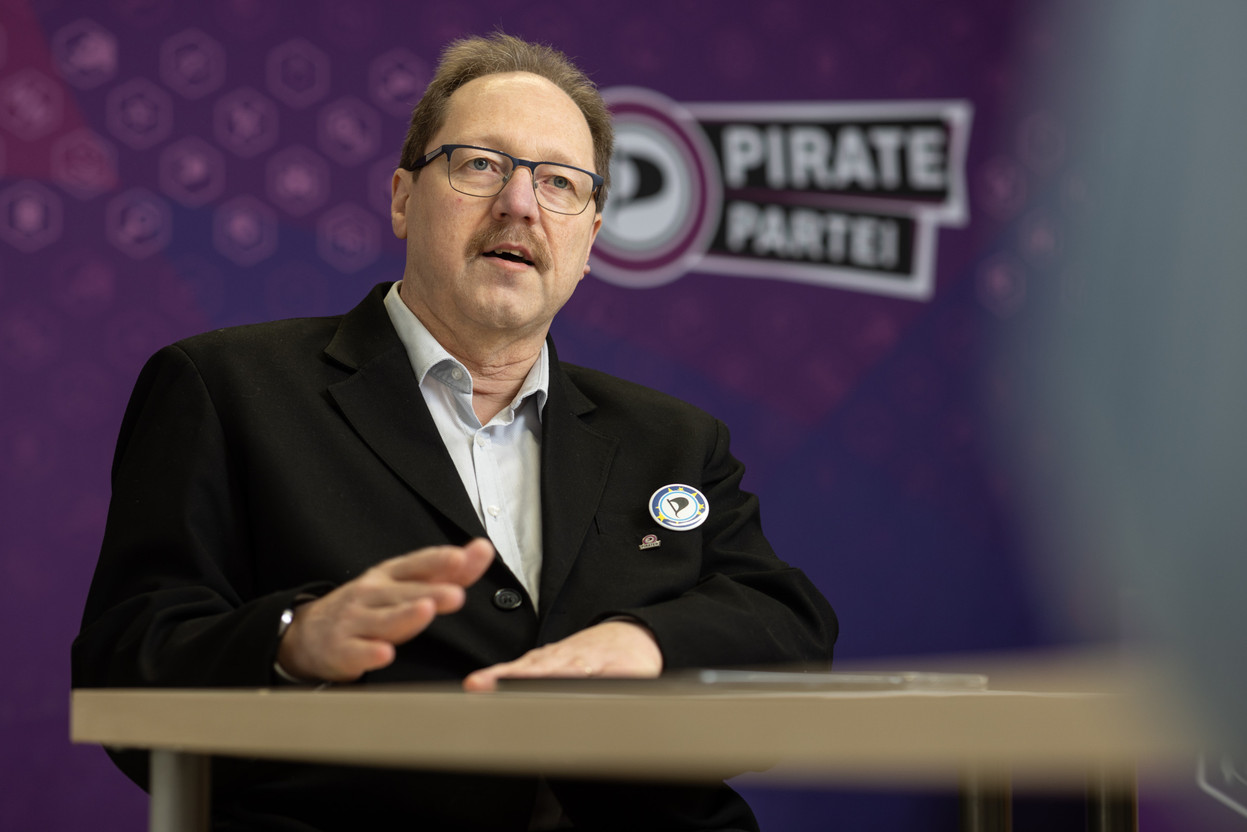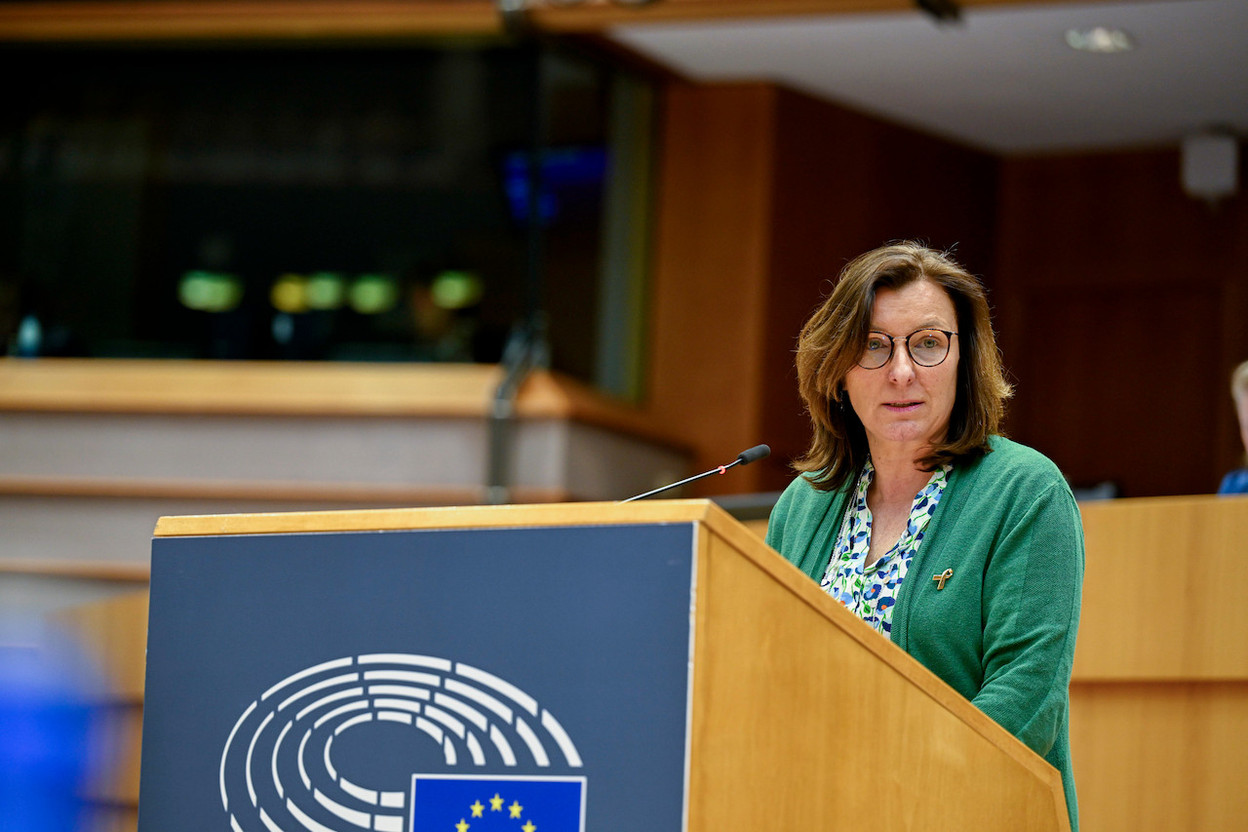
The special feature of the déi Lénk list for these elections is that there is no list leader. All the candidates share the obligations inherent in any candidate. In addition to Tania Mousel (34), the party’s candidates are Ana Correia da Veiga (41)--a local councillor in Luxembourg City who will replace 
Mousel, who hails from the south of the country, joined déi Lénk in 2017. She is also a member of the party’s youth section. “My anti-capitalist commitment comes from the fact that I no longer think we can go on like this,” she says. “Capitalism is at the root of most of today’s societal and climate problems. And for me, there were two options: dei Lénk or the KPL. I decided in favour of déi Lénk.”
The party has not included any well-known faces on its list, a decision that could cost them votes but which they have fully taken on board. Mousel explains: “We wanted to have young people who are not necessarily well known in the country on our list to reflect the fact that it is the next generations who are going to find themselves directly confronted with the major challenges of the climate crisis and the continuing increase in social inequalities.”
Putting young people forward for these elections is also a way, Mousel adds, of honing their skills, raising their profile and motivating new generations to get involved and take an interest in politics. “Initially, I wasn't sure I wanted to be a candidate--but I was convinced.”
A candidate of conviction
Although the party managed to retain its two seats in the national parliament last October, it is not a favourite to win one of the six European mandates at stake. Mousel is well aware of this. “We would need almost the same score as last time [in 2019] to win a seat,” she observes. Déi Lénk received 4.83% of the vote in the last European elections--60,648 votes--five years ago. “We’re here to make our voice heard. It’s important to make the voice of the left heard!”
“The issues at stake in this election are clear to us: first and foremost the climate crisis, the continuing increase in social inequalities and the shift of society to the right. Added to these are the growing number of armed conflicts, which are real human tragedies, but also tragedies for the climate and the environment.”
Asked what the ideal Europe would be, Mousel replies: “An anti-capitalist Europe where people come before profit. A Europe where the economy and GDP growth are not the main factors of success. A Europe where social inequalities are reduced. A Europe that reduces its climate footprint to preserve the environment for future generations.”
Can this Europe be embodied in Ursula von der Leyen (EPP) or her opponent at the head of the commission, 
On the evening of 9 June, Tania Mousel hopes that déi Lénk will have achieved a higher score than in 2019. And, above all, “to have made people more receptive to the themes of the left, rather than those of an extreme right whose simplistic solutions solve nothing.”
This article was originally published in Paperjam. It has been translated and edited for Delano.