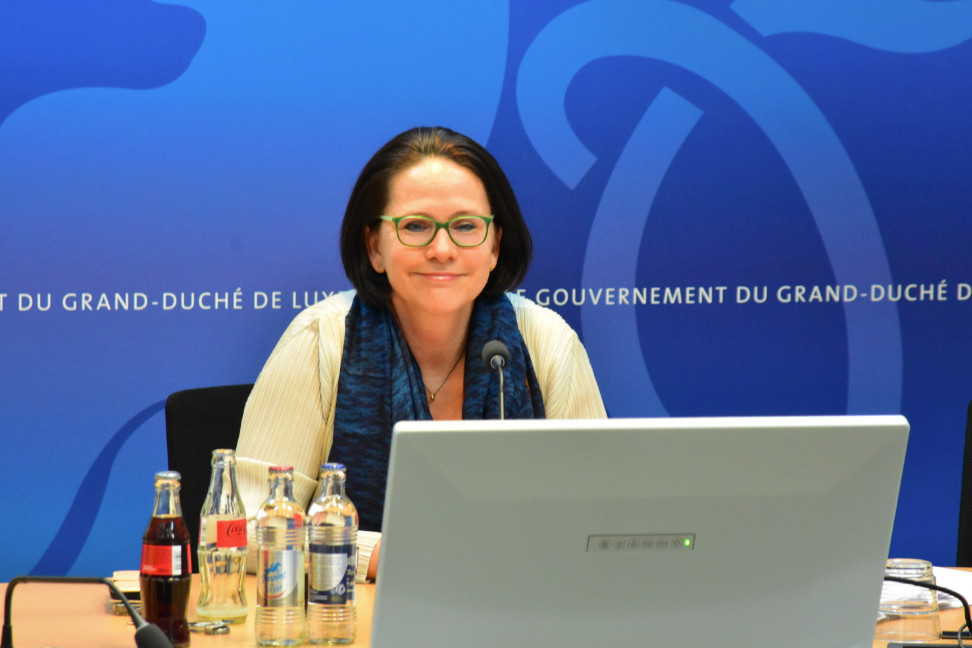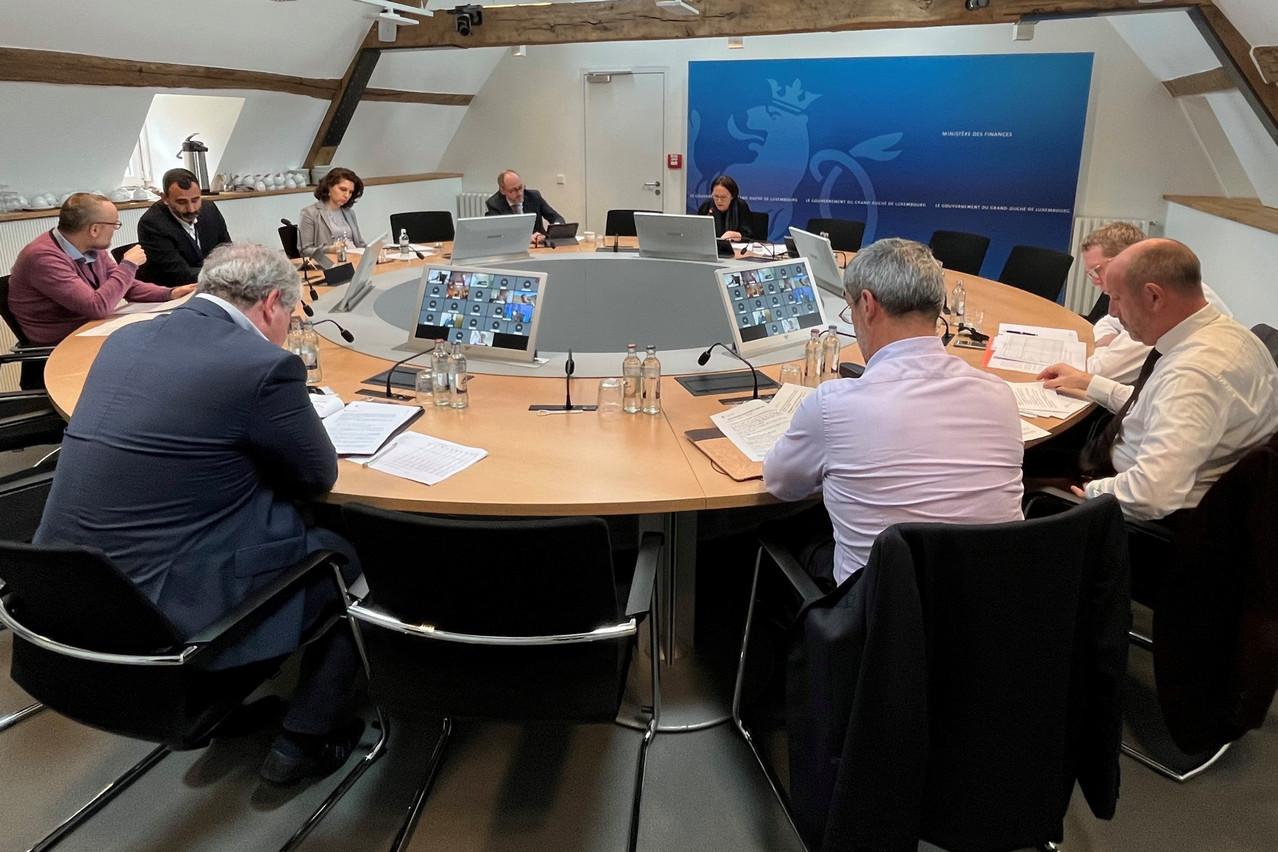
On Monday, finance minister 
Revenue
The combined revenue of the three tax administrations at the end of the first quarter of 2023 amounted to a total of €5.5bn. This represents an increase of 2.3% compared to the same period in 2022, in line with the 2023 budget.
Luxembourg Inland Revenue (ACD) collected €3.4bn, a significant increase of €290m, or 9.5%, compared to March 2022. This positive development was mainly due to a 23% increase in income tax, driven by the strong performance of the labour market with the creation of 17,000 new jobs in 2022.
Additionally, successive tranches of indexation resulted in higher revenue from withholding tax on wages and salaries (RTS). However, the granting of the energy tax credit to households during the first quarter led to a loss of around €154m in revenue for the state.
The Registration Duties, Estates and VAT Administration (AED) reported a total revenue of €1.7bn, reflecting a decrease of €154m, or 8%, compared to the previous year. This reduction was primarily due to lower revenue from value-added tax (VAT) resulting from temporary reductions in certain VAT rates for 2023 as part of the “Solidaritéitspak 2.0” measures. Receipts from investment fund subscription tax and registration fees also declined due to the situation in the financial and real estate markets in Luxembourg.
The Customs and Excise Agency (ADA) reported revenue of €450m in the first quarter of 2023, showing a decrease of €32m, or 6.7%, compared to the same period in 2022. This decline was mainly attributed to a decrease of €23m or a 13.6% decrease in diesel revenues.
Expense
On the expenditure side, the central government’s expenses totaled €6.3bn, representing an increase of 18.5% compared to the same period in 2022. This significant increase was driven by various forms of aid provided to households and businesses, such as “Energiedësch” and “Solidaritéitspak 1 and 2.0,” which totaled €752m by 31 March 2023.
Additionally, the impact of indexation tranches, high inflation and ongoing recruitment by the state led to a 10% increase in expenditure related to remuneration, as well as a 13.6% increase in running costs during the first three months of the year. Public investments also showed substantial growth in the first quarter, reaching a total of €504.7m, which was €135m higher or 36.5% more compared to the same period in 2022.
An exceptional contribution of €246m was paid to the European Union budget in March 2023, resulting from a recalculation of economic growth between 2010 and 2020. Additionally, the cost of military equipment delivered in 2023, mostly paid for in previous years, is recognized on a straight-line basis (€50m) through 2023 under ESA 2010 rules.
Net revenue
The central government ended the first quarter with a deficit of €87m as a result of the balance between income and expenditure.
“Budget execution figures as at 31 March 2023 show that tax revenues are in line with expectations, while expenditure is experiencing significant growth, reflecting the government’s commitment to supporting households and businesses in this crisis situation,” stated Backes.