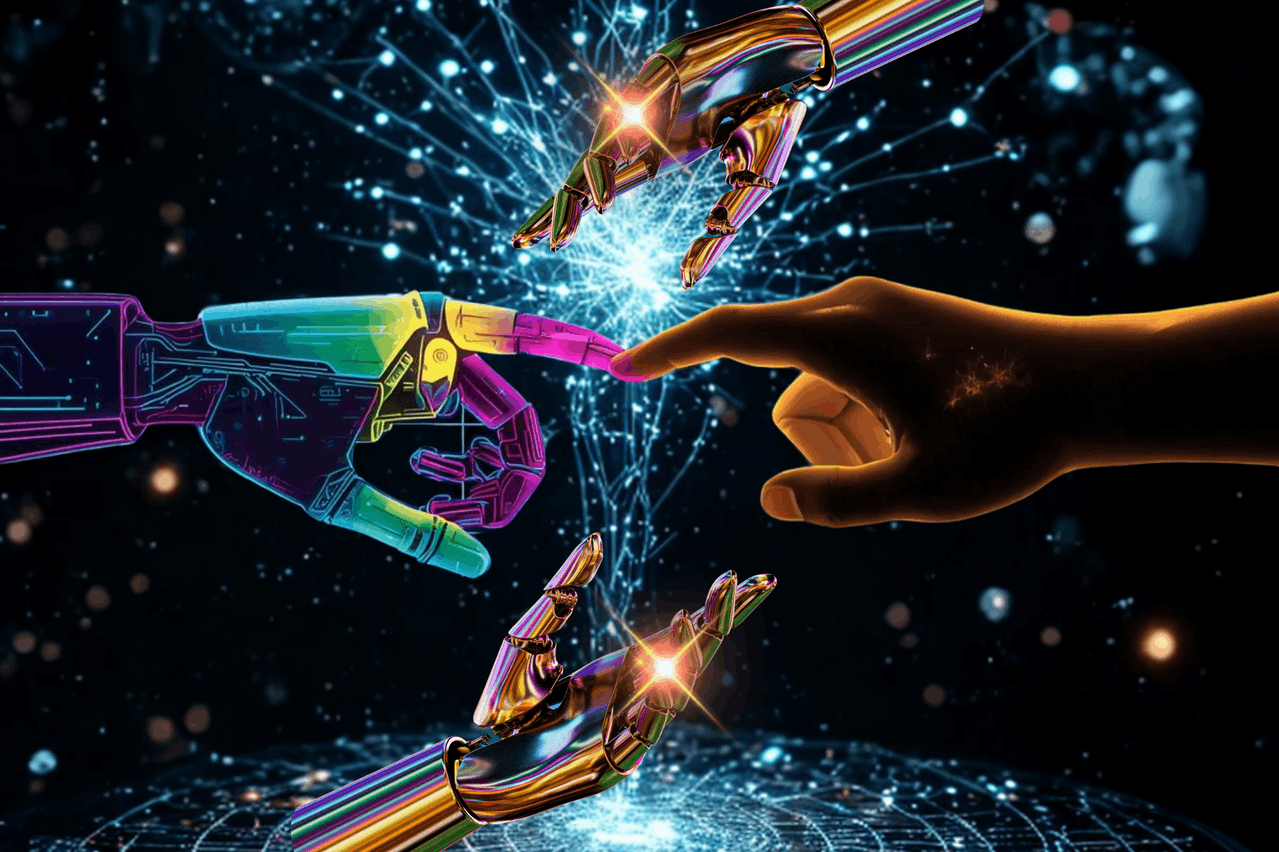
Artificial intelligence is revolutionising creation. Start-ups, agencies, studios and publishers rely on AI engines to design products, images, content and software. But every innovation must be accompanied by legal consideration: who owns what? And how can what has been created be protected? Intellectual property is no longer an afterthought: it is an integral part of innovation strategy.
1. Before creating: check to avoid problems
Before developing or naming an engine, it is essential to ensure that the chosen brand, logo or domain name does not infringe on an existing protected trademark. A simple prior art search can prevent many disputes.
On the technical side, vigilance must be paid to the software components and datasets used. Certain open source licences, known as “viral” licences, require the publication of the derivative code. For a start-up looking to raise funds or sell its technology, this is a major risk: investors will shy away from software whose rights are not controlled. It is therefore best to check licences before integrating a third-party module or framework.
The training data and content integrated into the engine deserve the same attention. Texts, sounds, or images protected by copyright cannot be used without authorisation. Training a model on non-free data exposes your company to infringement claims – sometimes long after the product has been launched on the market.
2. During use: control prompts and their sources
Users of AI engines also bear responsibility. Sending images, text or trademarks belonging to third parties to a model without authorisation can contaminate the result and pose a rights issue. Before submitting a prompt, it is therefore necessary to ensure that the elements used (logos, visuals, text extracts) are free of rights or covered by an appropriate licence.
Companies should formalise internal AI usage charters: specify the authorised tools, the types of data that can be used, and the prohibitions (protected works, personal data, trade secrets). This preventive approach limits risks and protects the brand’s reputation.
3. After creation: protect to enhance value
Once the engine has been developed or the outputs generated, protection becomes an economic asset.
The engine code is subject to copyright, but certain technical innovations can also be patented (learning architecture, optimisation method, etc.).
Names, logos, and visual interfaces must be registered as trademarks or designs.
As for creations produced by AI – images, texts, music – they can be registered if they include a human creative element, even if only in the selection of the prompt and the choice of the result. This registration creates a presumption of ownership, which is essential for defending the value of the product or service.
Conclusion
For a company, mastering intellectual property means mastering its future. AI offers unprecedented creative power, but it does not exempt companies from legal rigour. Verify first, protect later: this discipline transforms an idea into an asset and an innovation into a sustainable competitive advantage.
The teams at Laidebeur & Partners, experts in intellectual property, support innovative companies in securing and promoting their creations. Their advice enables AI projects to be approached with confidence and strategic vision.