How can tattooing help restore confidence in people whose bodies have been affected by an illness such as cancer, for example?
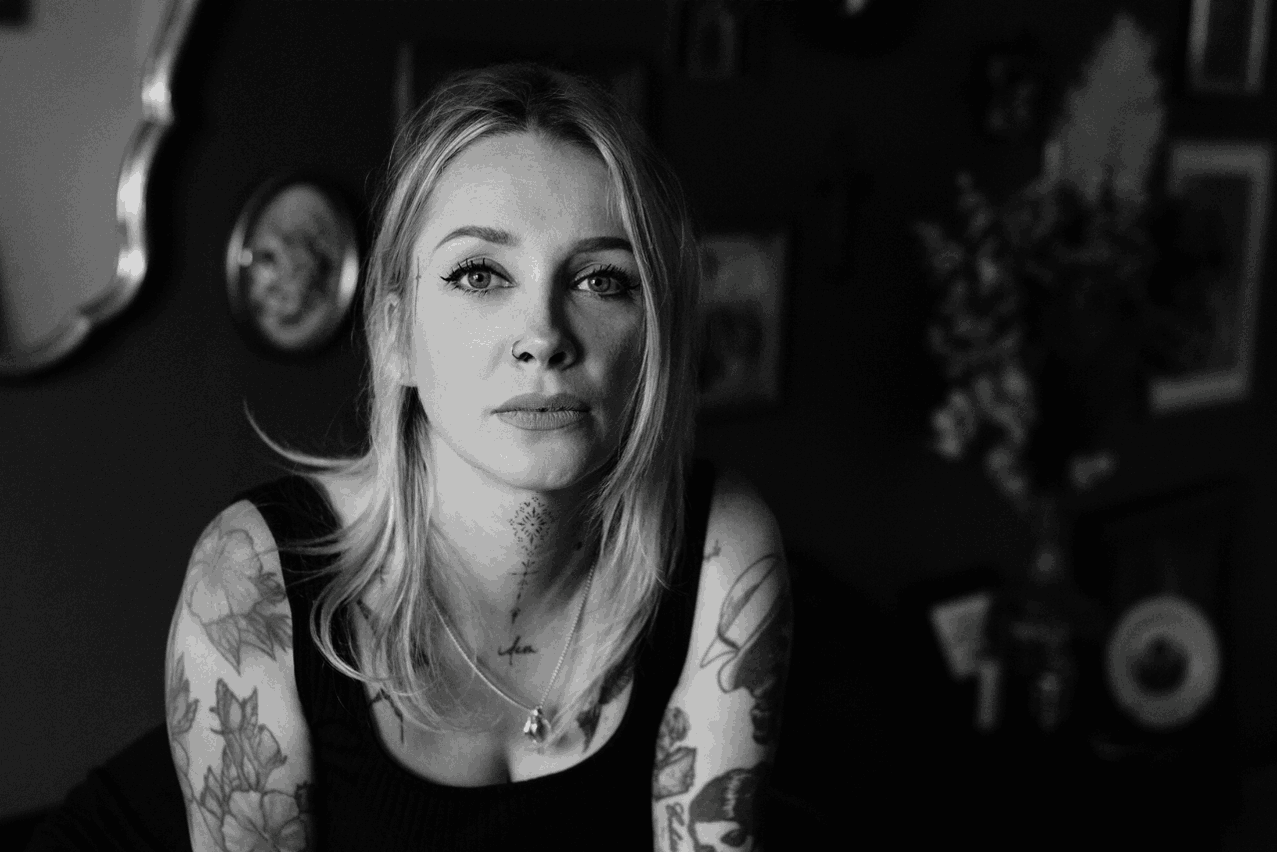
Laurren Prieur. – “After breast cancer, the body can have changed profoundly, to the point where it sometimes becomes difficult to recognise oneself. In this context, tattooing can be much more than a purely aesthetic choice. Paramedical tattooing, particularly 3D areola reconstruction, can become a significant step in the journey towards recovery, with both physical and deeply symbolic significance.
My role is not simply to recreate a realistic areola. Above all, it is about supporting a person through an important stage in their life: helping them to reclaim their body, to come to terms with a new self-image and, sometimes, to rediscover an identity with which they can once again identify.
Everyone arrives with their own story, their own scars and their own emotions. People’s journeys may differ, but the common thread remains, despite everything, doubts and expectations. So we heal, we support, we inform, we rebuild. And above all, we listen. Being a sympathetic ear throughout the process is essential.
And then there’s that moment, once the tattoo is finished, when the way you see yourself can change. It’s often at that point that you realise what you’ve just done goes far beyond a mere technical procedure. It puts an end to the illness. It silences it.
To me, being a ‘nipple-maker’ means dealing in dignity. It means giving women and men back the chance to look to the future with greater peace of mind and confidence in their own bodies.
It is also at times like this that I realise the significance of my profession. Whilst it has sometimes received negative press, tattooing is now winning over even the most sceptical by revealing its full potential as a useful and healing practice.
What are the most common reasons why your customers visit your tattoo studio?
“The reasons vary greatly from person to person. Some people get a tattoo to mark a memory, a milestone in their life, someone important to them, or simply because they want to wear something that reflects who they are. A tattoo can be a way of telling a story, celebrating something or leaving a mark. It can be ritualistic, cultural or a symbol of belonging.
And then there are the people I support as they rebuild their lives, particularly following breast cancer. In these cases, the approach is different again. They don’t just come in to ‘get a tattoo’. Sometimes they come with a desire to turn over a new leaf, to reclaim their bodies or to regain a sense of confidence after a period that has profoundly upended their lives. For some of them, this is, in fact, their one and only experience with tattooing.
For all these reasons, it is essential to take the psychological aspect into account, and support is indispensable in every project.
What I find deeply fulfilling about this work is having the privilege of being chosen to bring to life something that matters to someone. This trust allows me to step into a specific world – sometimes in a very intimate way – and to fulfil a request that will never be quite the same as the one before. The uniqueness of each project is a real asset: it forces me to remain curious and never take my profession for granted.
Which project pushed you furthest out of your comfort zone?
“Without a doubt, it was by developing my work on post-mastectomy reconstruction that I pushed my own boundaries the furthest. This is a field that demands a great deal of precision and technical skill, but also the ability to listen carefully and a great deal of humility. We aren’t simply working on a patch of skin: we’re intervening in a life that has been turned upside down, following very intensive treatment. The human aspect is therefore just as important as technical skill. We cannot afford to make mistakes in this job, and even less so in this particular case.
This encouraged me to keep learning, to regularly question my own practice and, above all, to realise that tattooing can have a much deeper meaning than one might imagine.
This is also what has gradually fuelled my commitment to Pink October and, more broadly, my ongoing support for women and men affected by breast cancer. Moreover, it is not limited to the month of October. It is an integral part of my work, to which I devote as much time as possible throughout the year.”
There are still a few spots left for this 10x6, so don’t wait and register now!
This article was originally written in French, translated and edited for the Paperjam website in English.