It took just four months for the story to take a dramatic turn. In April, Accell was still boasting about its transformation and the “strong momentum” of its brands. In early August, the manufacturer admitted that it was no longer able to pay its debts as they fell due.
Accell Group Holding B.V. and its Dutch subsidiaries have been granted a provisional stay of payment, the group announced on 5 August. This procedure suspends creditors’ ability to demand repayment of outstanding debts. It may be granted by the Dutch courts for a maximum period of 18 months, according to the official Rechtspraak portal.
This moratorium does not, in itself, constitute a declaration of insolvency. Accell states, however, that its directors now regard the initiation of local insolvency proceedings for the subsidiaries concerned as “the necessary next step”. The company intends to work with the court-appointed administrators to preserve viable operations and jobs wherever possible.
Six months of financial restructuring
The announcement comes less than six months after a further financial restructuring. In February, Accell had secured additional funding, a reduction in its debt and the transfer of its share capital to its main lenders. The group stated at the time that this arrangement was not intended to be permanent. Since then, its advisers have examined several offers, held discussions with interested parties and sought regulatory approval for a possible merger, without reaching a solution that would allow the group to remain in its current form.
This restructuring followed on from a recapitalisation completed in January 2025. This had reduced the operating group’s debt from around 1.4 billion to 800 million euros – a reduction of nearly 600 million euros – and injected some 235 million euros of new liquidity, according to information published by Accell. The outcome also marks the failure of the takeover led by KKR in 2022. The deal valued Accell at €1.8 billion. In February 2026, the fund and its co-investors had already surrendered their stake to the lenders, losing more than €1 billion in capital invested, according to the Financial Times.
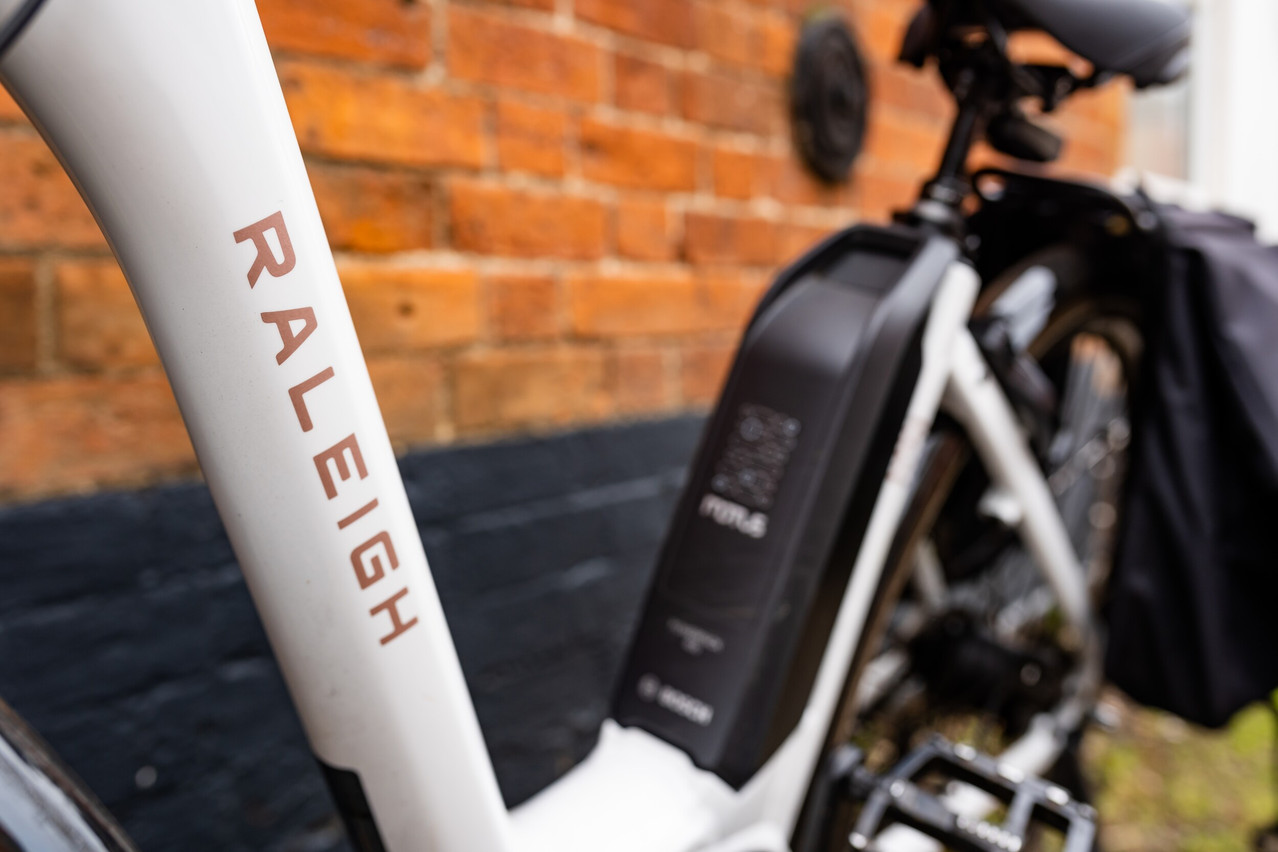
Accell describes itself as Europe’s leading electric bike manufacturer and the second-largest player in the parts and accessories sector. Its portfolio includes, amongst others, Batavus, Koga, Lapierre, Raleigh, Haibike, Winora, Ghost, Sparta and Babboe. The future of these businesses now depends on their ability to secure separate funding or find a buyer, rather than on the group’s survival in its current form.
For Jonas Nilsson, CEO of Accell, the priority is to organise the process and provide as much clarity as possible to employees, creditors, customers, suppliers and partners. Following two restructurings and several attempts at a merger, the challenge is no longer to preserve Accell’s financial structure, but to determine which brands, business activities and manufacturing capabilities can still be saved.