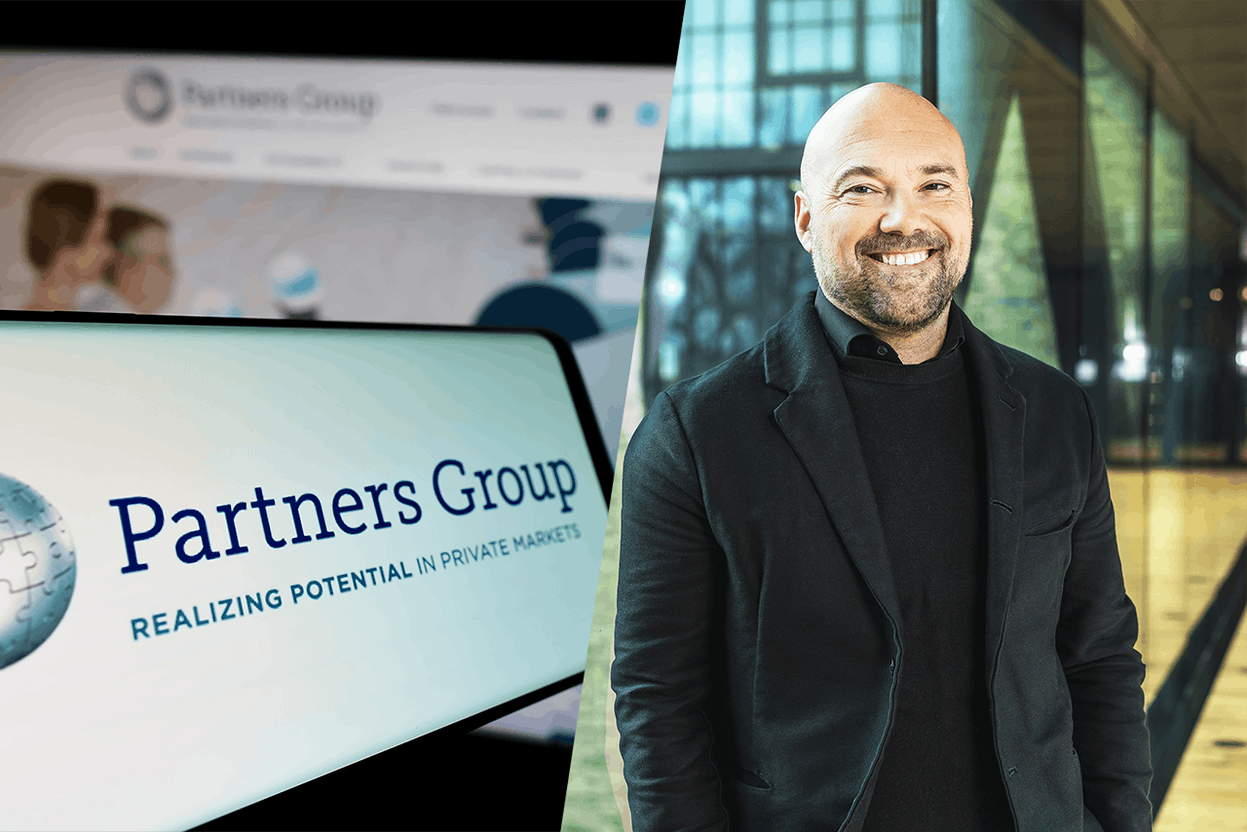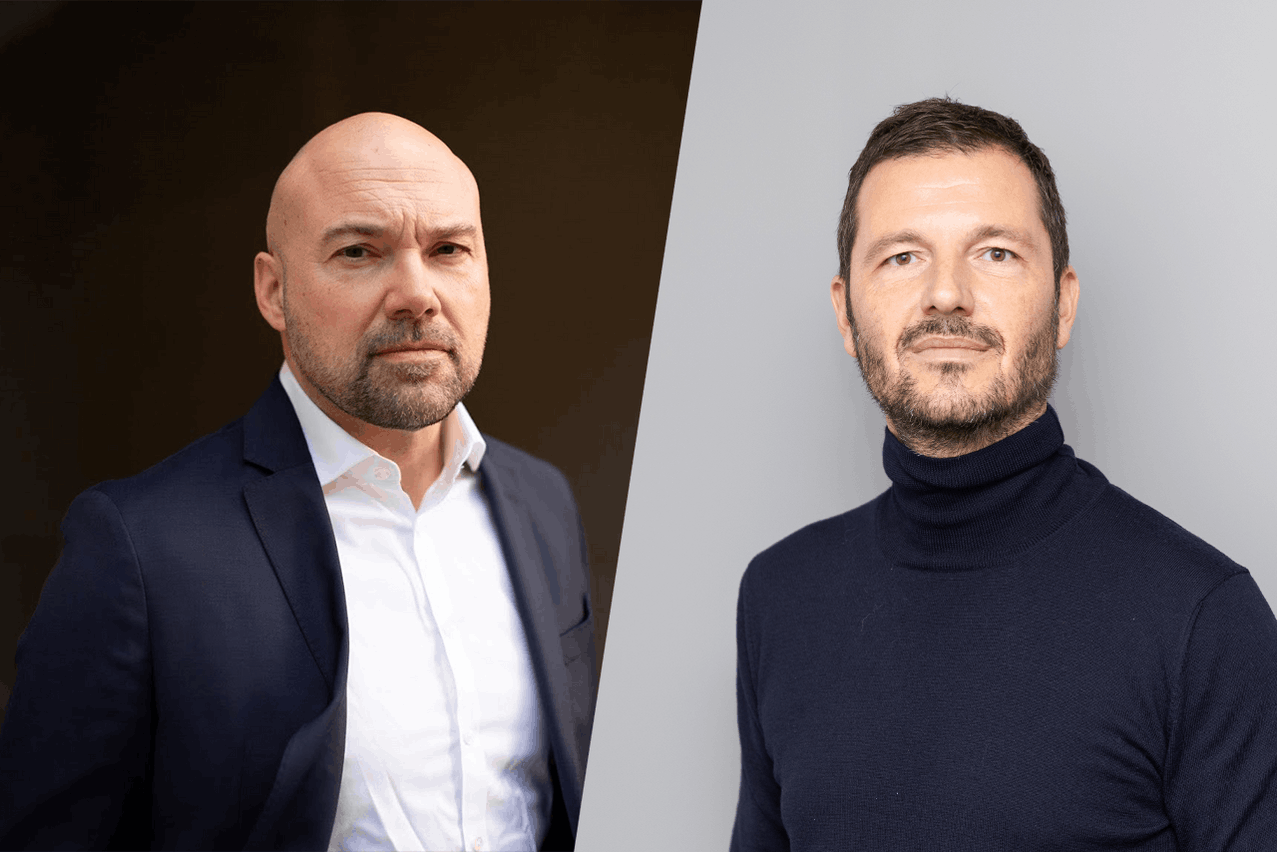
Markus Pimpl, managing director, private wealth Europe at Partners Group, thinks that the greatest sale potential for the distribution of Eltifs is in portfolio solutions. He noted that chief investment officers are looking to build portfolios that are effective and efficient. He believes that private market products need to play a role.
Through a joint venture with Blackrock, the US global asset manager, the latter will offer “client risk portfolios” that are defined as conservative or aggressive, for instance, where Partners Group will run the private market part. As repackaging is the direction of travel, PG is undergoing several conversations with various potential partners in Europe, such as insurers in France and Italy, given that they consider including private market funds in unit-linked products.
Pascal Rapallino, chair of the Luxembourg Association of Family Offices, also thinks that private asset funds may find their way in life insurance products but also PEA-PME (retail savings products with a limit of €75,000). “They are known by everyone in France.” He also expects Eltifs will be promoted in similar by other European states.
Rapallino suggested that authorities should also offer tax break to investors allocating money to Eltifs targeting strategically important industries in Europe, such as defence, health, cybersecurity, education, research, etc.
Education must play a central role
During Eltif 1.0, Pimpl stressed that PG dedicated a lot of effort to educate financial advisors used to sell equity and bonds. Private equity specifics are sometimes seen as exotic and dangerous in German-speaking countries. He noted that many advisors are still struggling to differentiate between private equity and hedge funds.
To make it even more complicated, he thinks that the public continues to associate venture capital with private equity, whereas it is in fact only one part of the private equity investment universe. To be fair, he noted that discussions in Germany, in which private individuals should take care more about of their savings, only started in the last decades. Embracing private equity is therefore a tall order.
Pimpl observed more openness for private equity investments in Anglo-Saxon or like-minded countries such as the Netherlands.
The education is ongoing nowadays with digital academies, a solution also offered by PG’s peers in the industry. Contrary to institutional investors and family offices, Rapallino stressed the importance of offering simple products to retail investors.
Despite the flexibility of the evergreen funds to provide liquidity (typically 5% per quarter and 20% per year in PG’s funds), Pimpl tells advisors that investors should have an investment horizon of minimum five years, if not seven years, pretty much like a closed-end fund.
One-third of our assets are in evergreen funds, so we simply cannot afford any accident to protect our reputation
Without being specific on closed-end or evergreen funds, Rapallino commented that the rage surrounding Eltif funds was focused on infrastructure funds. He thinks that it may have scared off some retail investors but also family offices to commit for 15 or 20 years.
What should be the targeted age group to buy Eltifs?
Indeed, the long investment horizon recommended for private investments may also be to blame to for lack of take up. Rapallino thinks that an active member of the workforce who has already paid back their house would be the ideal investor. “Youngsters may want to keep their assets relatively liquid to buy a house, whereas at 60, even in good shape, it may make the life of these individuals more difficult should they want to travel around the world if they are told to wait until they reach 80.”
Could distributors be taken responsible for aggressive mis-selling down the road?
PG and other large players are concerned that new small players may exaggerate their role in transactions and the management of companies especially when they take tiny positions in a firm (i.e. 2%). That may tarnish the reputation of the whole industry.
Pimpl hopes that PG will shield itself from future potential mis-selling scandals by being transparent and educating financial advisors of their partners. The latter are equally concerned and are also keen on proper education.
“One-third of our assets are in evergreen funds, so we simply cannot afford any accident to protect our reputation,” stated Pimpl.