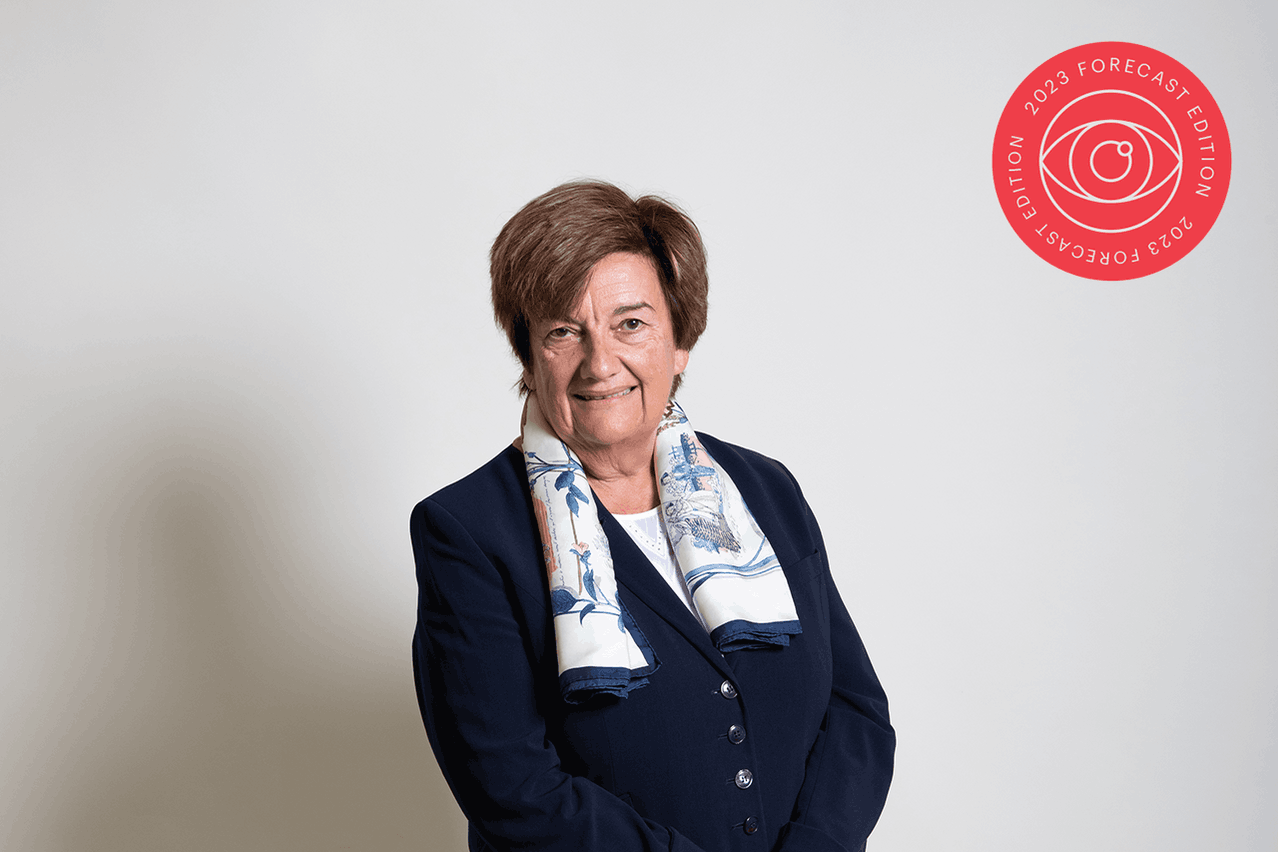
Today we are evolving in an extremely complex economic context, where the decisions of public authorities are more than ever subject to geopolitical considerations, which have serious consequences for all economic actors. The sustainability agenda, and especially the ecological transition, will largely determine the development of our economy. If, at first sight, these policies appear restrictive, it is up to all of us to transform them into opportunities. To do this, it is essential to restore confidence in industry and business, because they are the bearers of solutions.
The country's industrial future is at stake today. New projects must not be discouraged!
In terms of industrial policy, the revitalisation of the manufacturing sector is of particular importance, against the backdrop of efforts to relocate and reduce Europe's exposure to imports from third countries.
We note that a range of policy initiatives for fair and sustainable practices are leading to more structural sourcing limitations. We share the objectives of these policy initiatives, but believe that they should be implemented pragmatically, allowing time for companies to reposition themselves in their respective chains. This repositioning towards a more sustainable and productive growth model requires a framework conducive to research, innovation and investment.
The world of work and employment is changing. We must not ignore the need for manpower!
FEDIL currently notes disproportionate state intervention in labour legislation and the labour market, which risks disrupting the smooth running of companies and reducing their attractiveness as employers. Let us not forget that Luxembourg is a small, open economy which needs the services of foreign and often non-EU providers to ensure its functioning.
Faced with this tight labour market, companies must be flexible and be able, as far as possible, to adapt the organisation of their employees' working hours to the demands of the latter in order to attract and retain labour. The new generations have different expectations regarding the organisation of their working lives and the current rigid framework, based mainly on mistrust of employers, is no longer able to meet these demands.
Industry is resolutely committed to the ecological transition. It must not be held back by overregulation!
The state is failing to create solid framework conditions or appropriate instruments for companies to comply with ambitious regulations in the field of climate and environmental protection, so that it must continue to impose rather than promote and encourage change. This vicious circle undermines the competitiveness of companies, jeopardising their European production capacity, and represents a considerable risk to future industrial investment efforts.
Technological progress is the key to many challenges. This dynamic must not be hindered!
To succeed in the challenge of digitalisation and maximise the contribution of new technologies to productivity and economic growth, we must have tools adapted to the needs of companies. It will be necessary to continue to develop ICT infrastructures and the RDI ecosystem in a consistent manner. It is also necessary to ensure the availability of developed land for companies wishing to develop their activities in Luxembourg, and to set up technology parks to stimulate exchanges between public research players and companies. In particular, it will be necessary to pool all the skills available in cybersecurity.
A future government must understand that companies need confidence and predictability to face current challenges and to invest in the development of their activities in Luxembourg.
An alternate version of this article first appeared in the Forecast 2023 issue of Delano magazine.