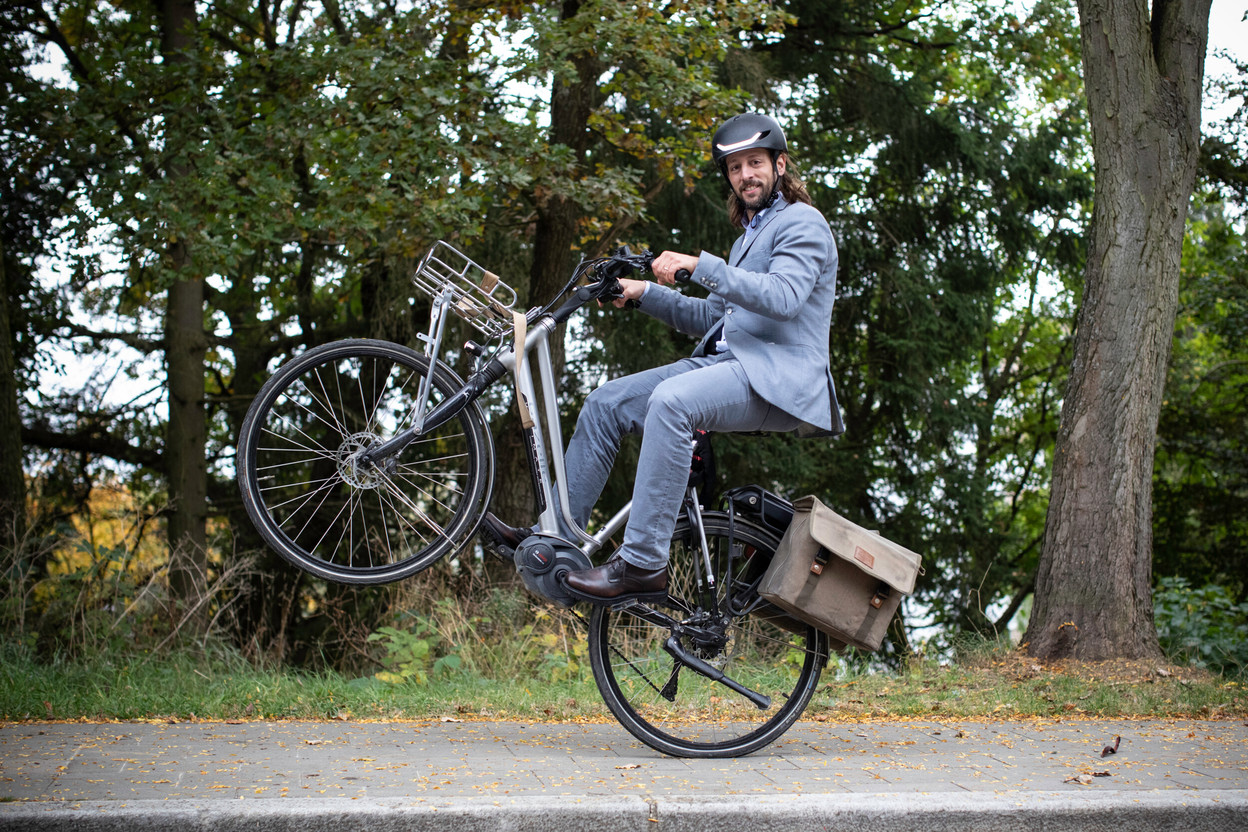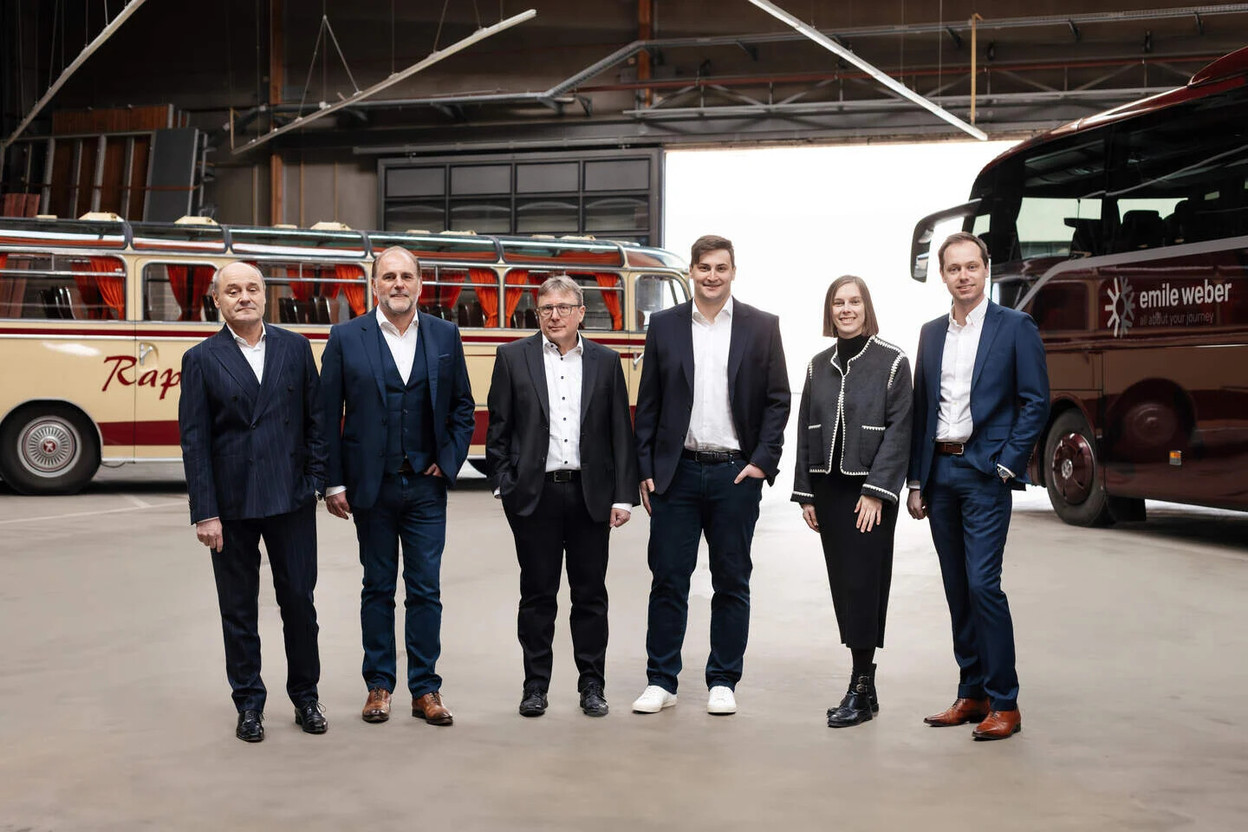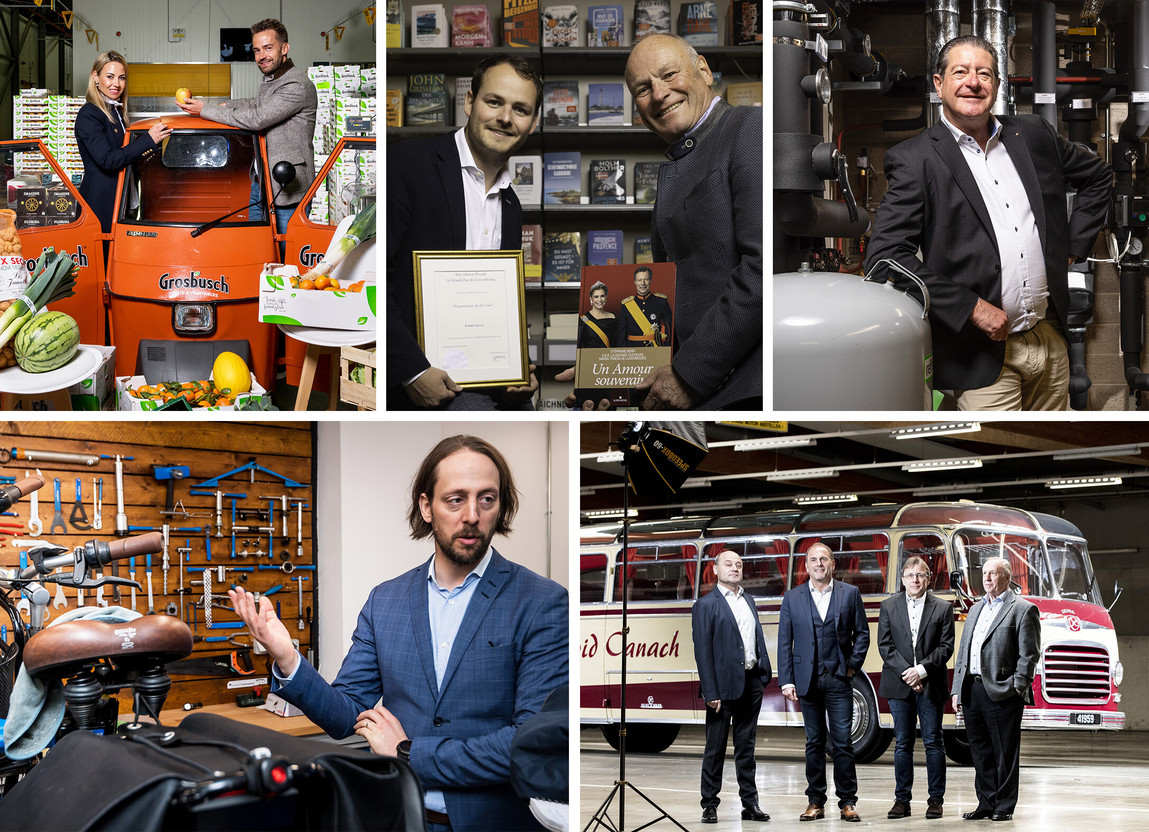
At the crossroads of transport and everyday services, Goedert has built a model that extends far beyond the automotive sector. From car centres and petrol stations to car washes, bicycle services and local shops, the group has established a strong presence across Luxembourg. It now has more than nine sites and several specialist centres, designed to support customers’ needs at every stage.
A family-run business led by the second and third generations – with Michel Goedert serving on the management team – the group focuses on local presence, customer service and a multi-service approach. This integrated approach enables it to cover the entire customer journey, from vehicle maintenance to everyday shopping.
This positioning is now being strengthened through strategic partnerships, notably with Cactus. The roll-out of Shoppi outlets in several stations illustrates this convergence between mobility and convenience, centred on a simple promise: speed, convenience and a strong local presence. In a context where consumer habits are changing rapidly, Goedert continues to adapt its model by combining diversification, a nationwide network and strategic alliances.
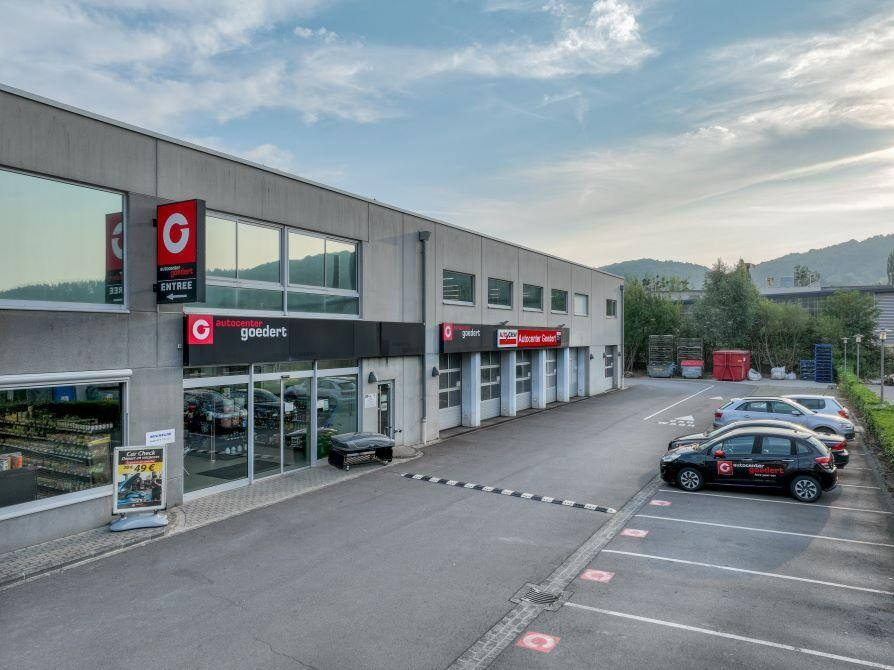
Goedert’s strategy: establishing a nationwide network to counter foreign competitors. Photo: archives
In your view, what is the main lesson you have learnt from your experience – or from your ongoing reflections – regarding succession planning and engaging the next generation within your company?
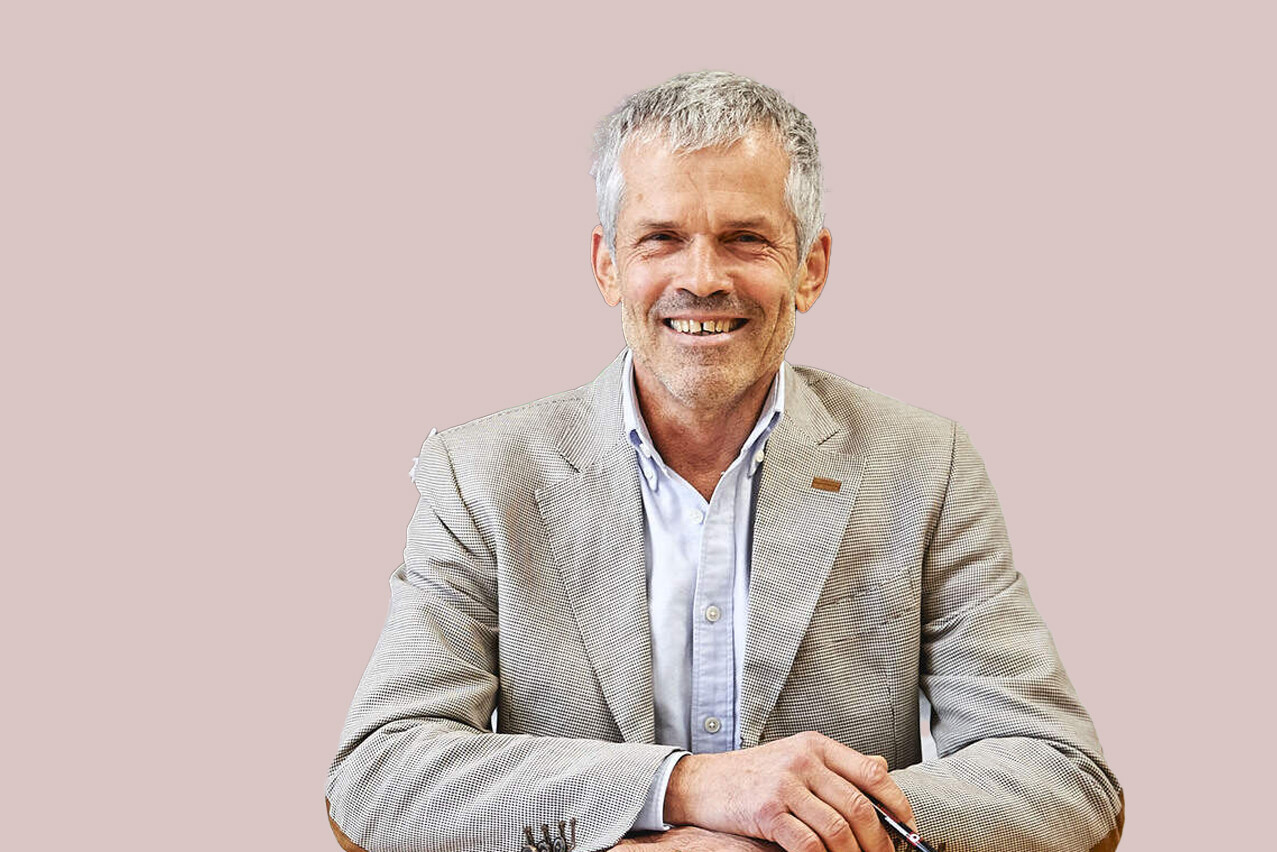
Michel Goedert. – “As soon as an interest in succession arises, it is important to work with the candidate(s) to define the way forward in a transparent, sincere and clear manner.
How do you manage to balance the family’s expectations with the company’s economic and strategic imperatives, and which trade-offs have been the most decisive?
“Through regular – at least once a year – clear and transparent communication of the company’s results and progress. It is also important to avoid leaving things unsaid.
Which decisions or developments in governance or the professionalisation of management have had the most significant impact on your company?
“In 2015, when I made most of my senior management redundant. It was a huge relief, not only financially, but also in terms of the speed of decision-making. Simplicity, speed, flexibility.
How does your company balance the need to honour its heritage with the need to innovate or transform itself in order to remain competitive?
“Decision-making power remains largely in the hands of those working within the company, who aim to keep the family regularly informed. This reduces the risk of things being left unsaid and of the family falling out of touch with the business.
What were the most decisive choices regarding the financing of growth, and how did they influence the company’s governance and trajectory?
“By clearly defining the group’s vision and a formula for allocating the group’s dividends.
What tax or legal issues have proved to be the most critical for your family business, and how have you addressed them with a long-term perspective in mind?
“The trust company and the solicitor have helped us, and continue to help us, to set up a structure that best suits our needs.
What strategies have been most effective in developing your product or service offering whilst remaining true to the company’s core values?
“Curiosity and keeping our eyes open to what is happening around us – and not just in Luxembourg.
At what point did you feel it was necessary to accelerate the company’s growth, and what lessons have you learnt from this phase of scaling up?
“The moment I realised that Luxembourg wasn’t a desert island, but a small country surrounded by predators.
In your experience, how can a family business attract and retain key talent in an increasingly competitive environment?
“The philosophy and way of life within a family business are very different from those of any other type of company. This is a significant advantage from a human and well-being perspective.
How has increased international competition in your domestic market changed your positioning, organisation or strategy?
“The Luxembourg market is a very specific one and not an easy one for any foreigner. We have established a fairly extensive presence across the country, expanding our network of branches to make it more difficult for any non-Luxembourg-based player to gain a foothold.”