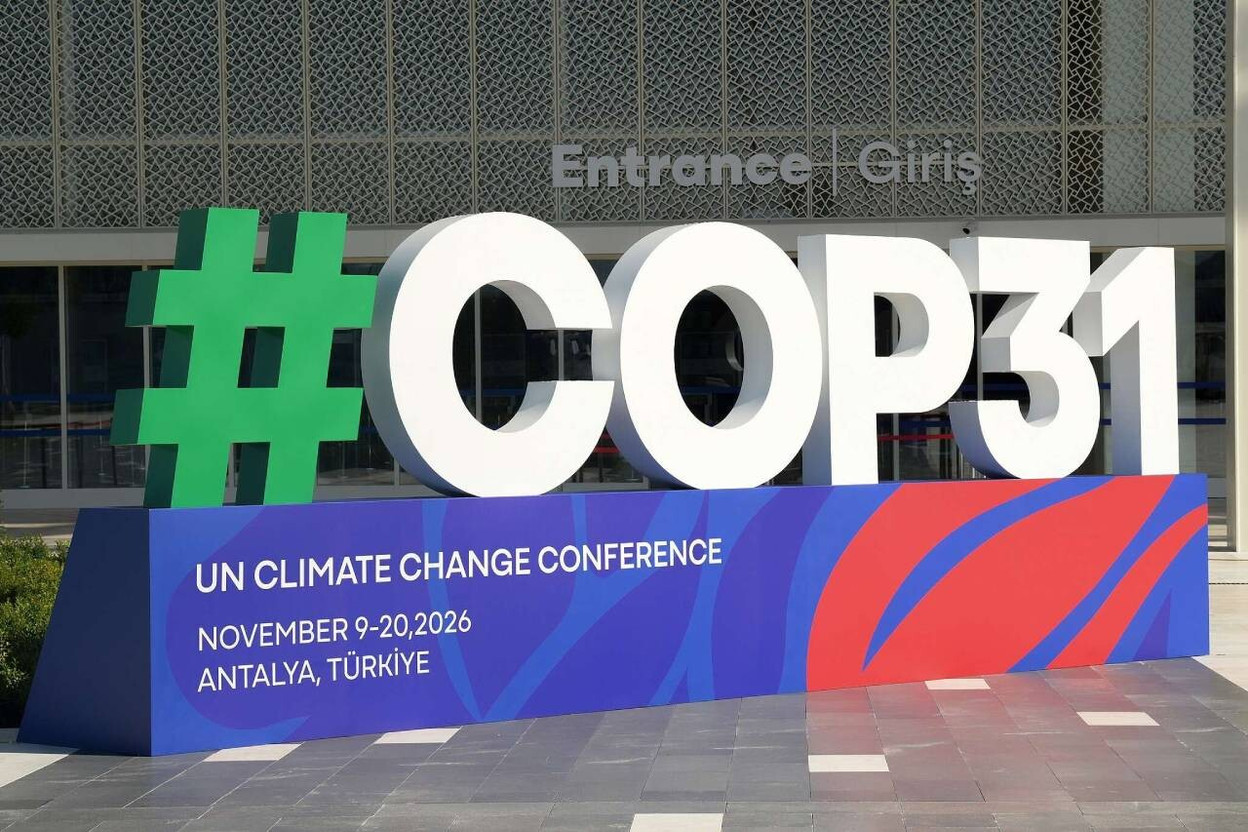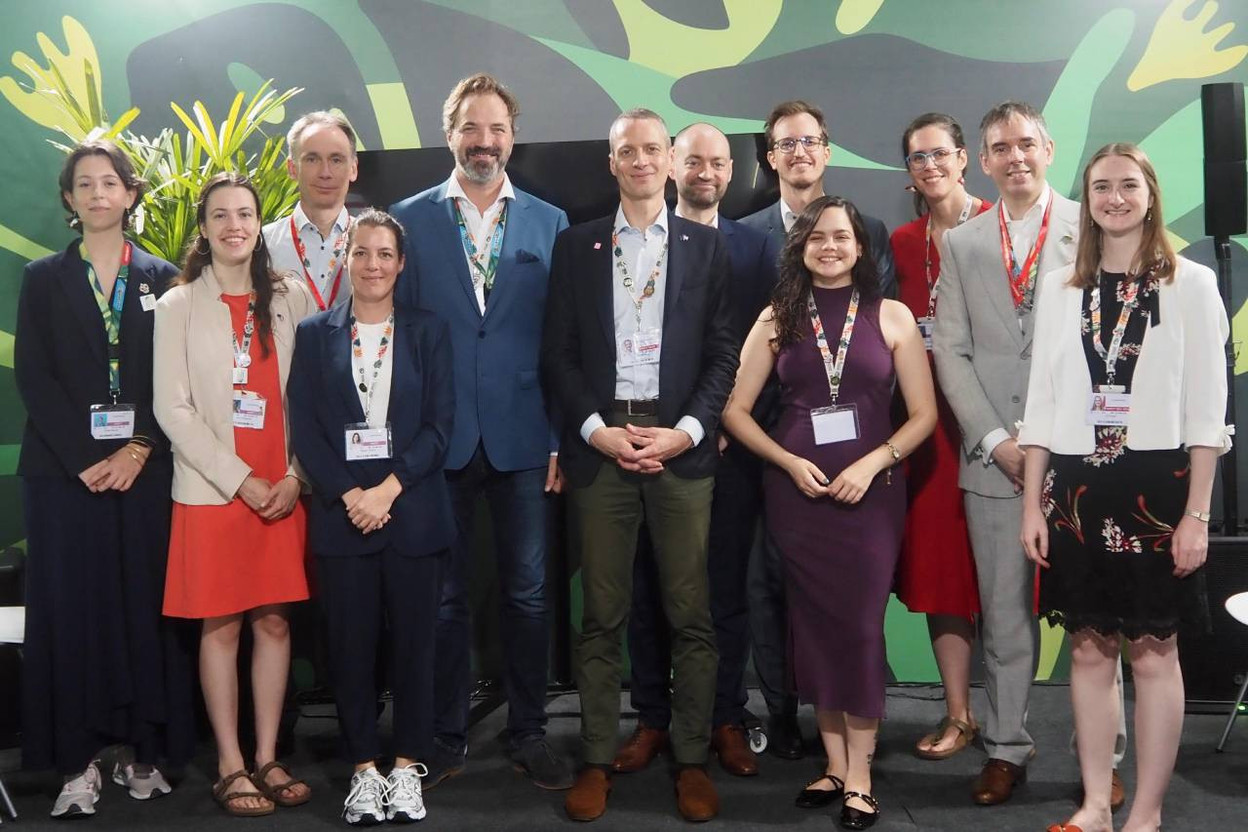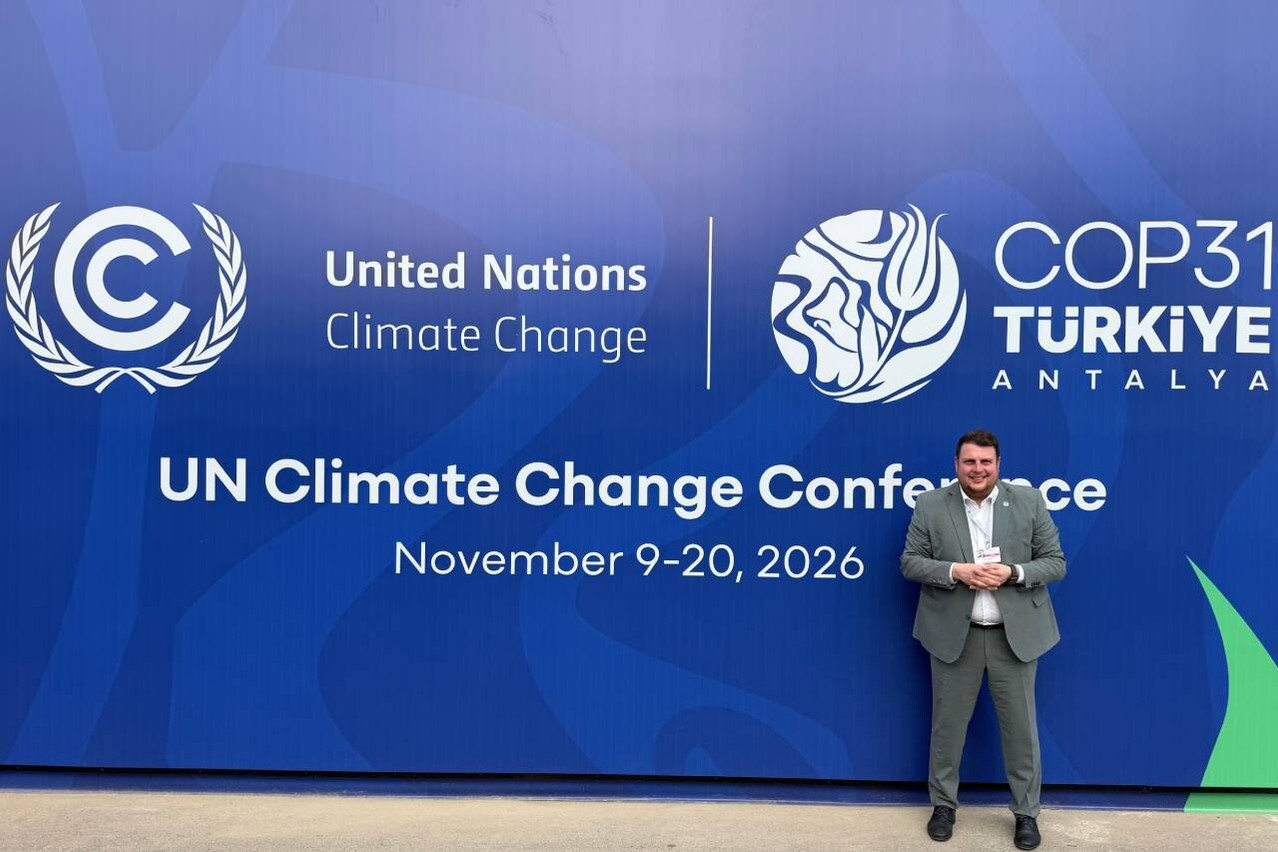
COP31, the United Nations Climate Change Conference, is taking place from 9 to 20 November 2026 in Antalya, Turkey. Luxembourg, alongside Denmark, is acting as the European Union’s focal point on reducing greenhouse gas emissions. It is also taking part in the joint pavilion of the Benelux countries and the European Investment Bank (EIB), which is hosting events on climate action, the energy transition, innovation and sustainable finance.
The MP, who was present at the scene, 
At the moment, the atmosphere is tense and negotiations are making slow progress.

At this stage, what concrete progress is emerging and what are the main sticking points? On which issues are the disagreements most pronounced?
Meris Sehovic. – “At present, the atmosphere is tense and negotiations are making slow progress. The biggest stumbling block is money: so far, industrialised countries have not been prepared to make new commitments to help poorer countries adapt to climate change. When it comes to phasing out fossil fuels, producer countries are putting the brakes on. And the absence of many heads of state and government leaves a bitter taste. It makes significant progress more difficult.
Even science is under pressure. In 2028, nations will carry out the global stocktake of the Paris Agreement: where do we stand? What more needs to be done? This review requires the forthcoming reports from the IPCC, the UN’s panel of climate experts. However, some countries, including Saudi Arabia, India and Russia, want these reports to be published only after the review has taken place. As a result, the IPCC still has neither a timetable nor a budget for 2027.
What priorities is Luxembourg championing in the negotiations, and through what specific initiatives is it seeking to advance them?
“The Luxembourg government is prioritising emissions reduction, adaptation, climate finance and a just transition. Together with Denmark, Luxembourg is coordinating the European position on emissions reduction. It has earmarked €320m for international climate aid for the period 2026 to 2030, in addition to development aid. And it is relying heavily on private funding.
The more fuel we sell, the more our emissions increase.

What is your view of the Luxembourg government’s position? On which points would déi Gréng like to see greater ambition?
“Luxembourg is playing a rather constructive role here, particularly in terms of European coordination, and it has increased its climate aid. But a country’s credibility at the COP is all the greater when it honours its commitments at home. According to Statec, our emissions are likely to exceed the trajectory set out in our Climate Act as early as this year. Fuel sales began to rise again in 2026, and the government has extended the fuel price reduction until the end of February 2027. In my view, this is a significant factor: the more fuel we sell, the more our emissions increase.
With regard to climate finance and the transition away from fossil fuels, what commitments do you expect from this COP?
“Rich countries must finally make new commitments to adaptation. The poorest countries are already suffering from droughts and floods, even though they have contributed the least to the climate crisis. On fossil fuels, we must at the very least clearly reaffirm the phase-out agreed in Dubai, without backtracking. Anything else would send the wrong signal.
As an MP present at the event, what discussions do you take part in, and how much scope do you have to influence the discussions?
“It is the governments that are negotiating. I am here as a Member of Parliament and I am carrying out my oversight role in a constructive manner. I am in contact with the minister and his negotiating team: I ask questions, I monitor the progress of the discussions and I put forward our priorities. Discussions with colleagues from other countries and with civil society are also important. On my return to Luxembourg, I will continue this oversight work in the Chamber.
Given the current climate, we shouldn’t expect a breakthrough.

In your view, what outcomes would make this COP a success, and what implications would they have for Luxembourg?
“Given the current climate, we shouldn’t expect a breakthrough. A success would mean, at the very least, new financial commitments for adaptation, a clear message on phasing out fossil fuels, a genuine tool for a just transition with an institutionalised framework and a clear mandate. And, last but not least, firm support for science.”