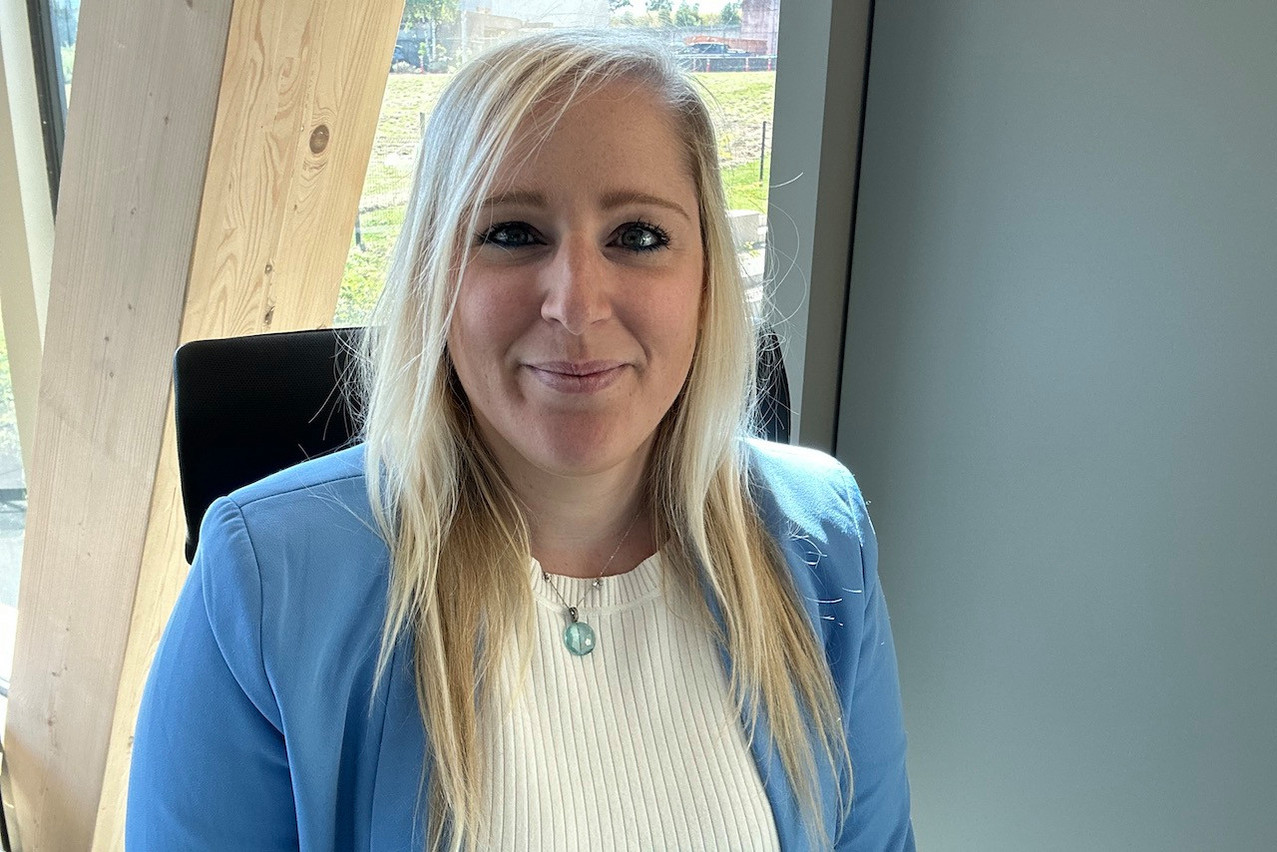
Faced with the diversity of generational expectations, how do you adapt your HR strategies to meet the specific needs of each generation?
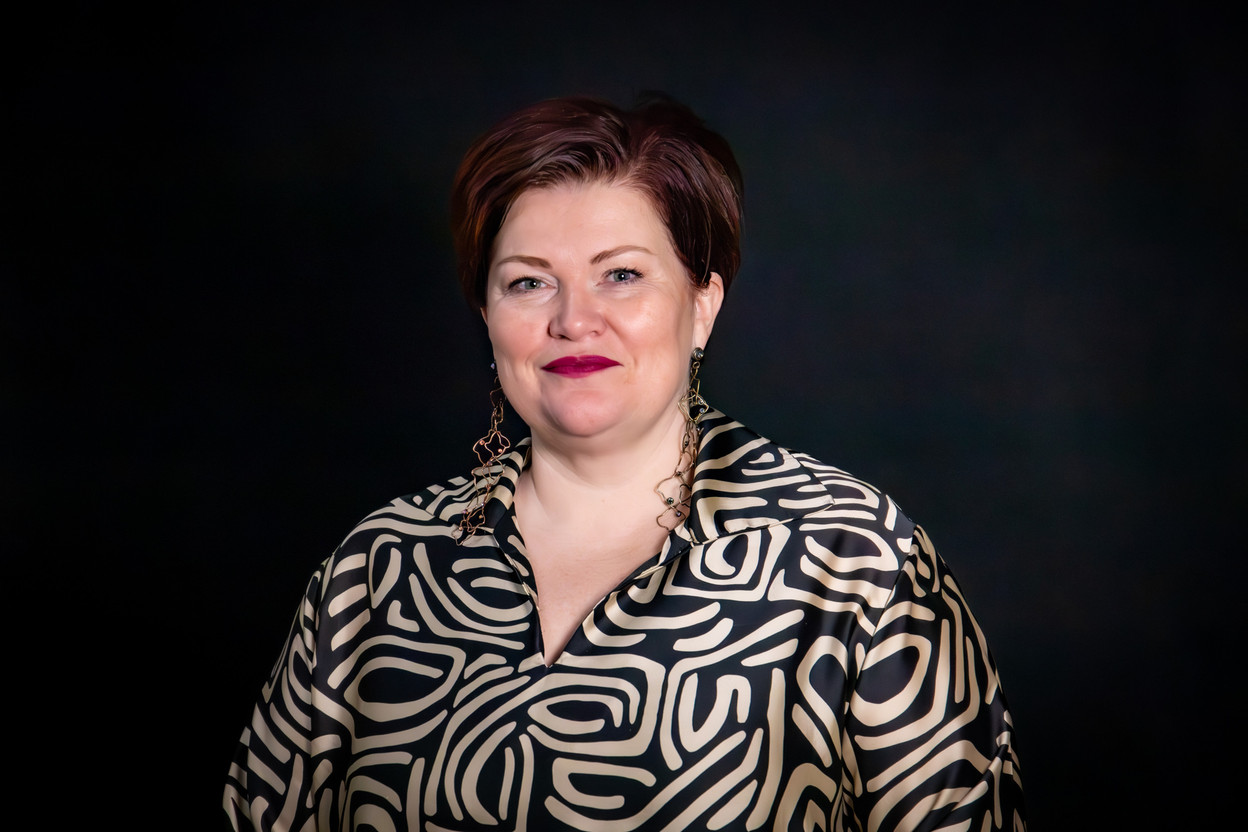
Cindy Bach: The cohabitation of several generations within a company is an asset. Each generation has its own points of reference and aspirations, and it's important to listen to them. We favour active listening, via internal surveys, and we rely on dialogue and observation to identify specific expectations: a need for stability for some, a quest for meaning and agility for others.
We are developing flexible solutions that allow everyone to find their place (teleworking, personalised training courses, flexible working hours, mentoring between generations) but also personalised recognition. The aim is not to pit the generations against each other, but to get them talking to each other and growing together.
What role does the quest for meaning and work-life balance play in the employee experience today?
It has become essential. Employees want to feel useful, to understand why they do what they do, and to be able to reconcile their professional and personal lives without feeling guilty. It’s a real expectation that we take to heart, with concrete commitments: the right to disconnect, more flexible organisation and listening to individual needs. But it also involves the way we recognise efforts, give feedback or celebrate successes.
Well-being at work is not just a question of tools, but a holistic approach that encompasses corporate ethics, managerial style, working conditions, recognition and so on. Above all, it is a corporate culture.
What key indicators would you recommend monitoring to anticipate the risks associated with the loss of talent in a tight market environment?
You don’t find out about a departure when you resign. We also look at the data: staff turnover, mobility, length of time in post, but also the quality of integration and skills development, with regular monitoring of the match between individual aspirations and internal opportunities. It’s a mix of numbers and human signals.
Our challenge is to understand what motivates or holds people back, and to take action in time, especially with key profiles, to make them want to build their future with us.