Luxembourg wants to play a leading role on the global stage of climate finance. Following the first edition of the Luxembourg International Climate Finance Days (ICF Days), which concluded on Friday, the government announced not only massive financial support for the protection of tropical forests, but also the establishment in the Grand Duchy of the financial vehicle for an international initiative led by Brazil. A decision that reinforces the country’s ambitions in sustainable finance, whilst already exposing the project to demands for strict environmental safeguards.
Organised from 3 to 5 June by the Ministry for the Environment, Climate and Biodiversity, the ICF Days brought together more than 2,000 participants, forty international delegations and over 80 speakers to discuss climate finance issues. The government sees this as proof of its ability to become an international hub for sustainable finance and the mobilisation of private capital for the climate transition.
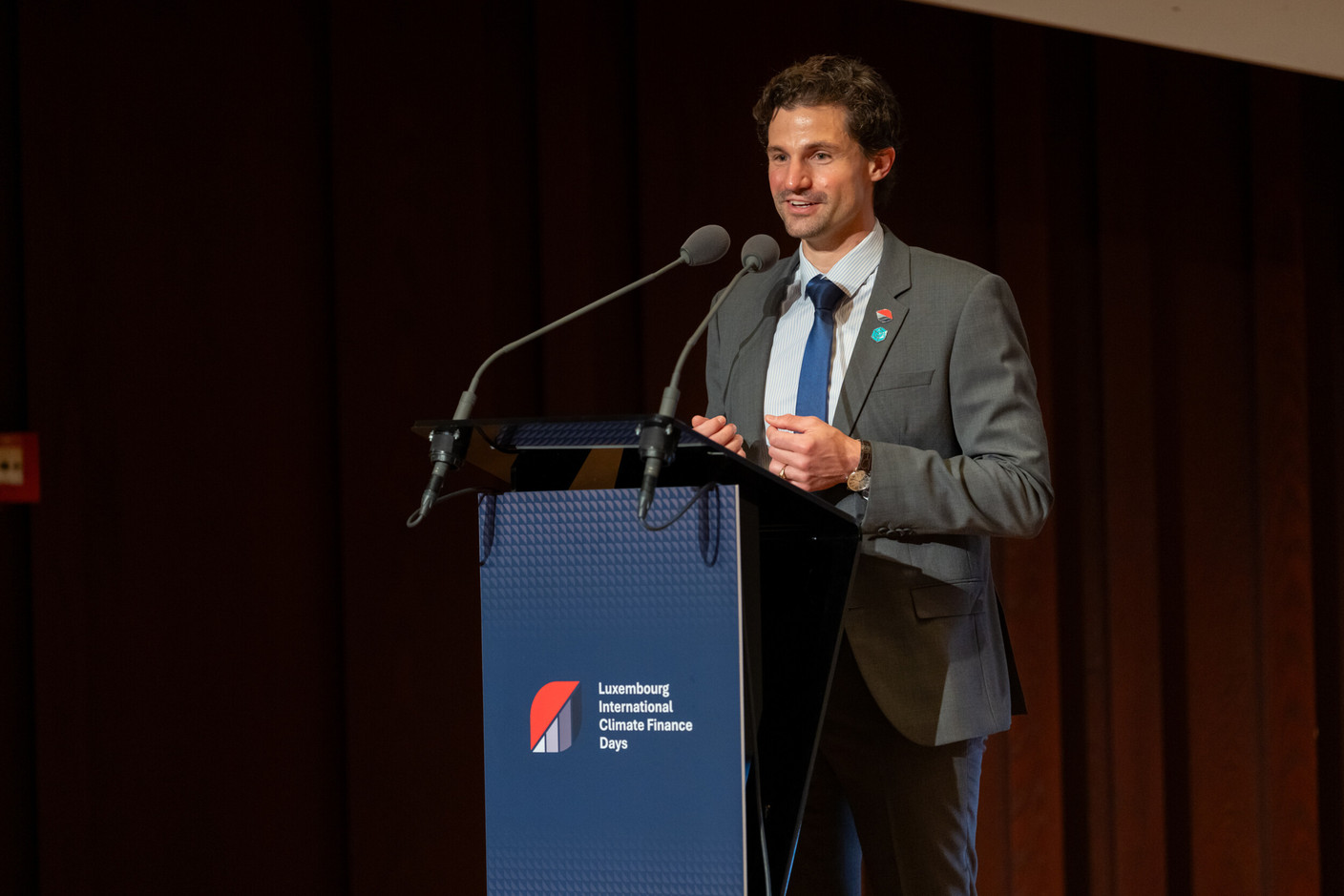
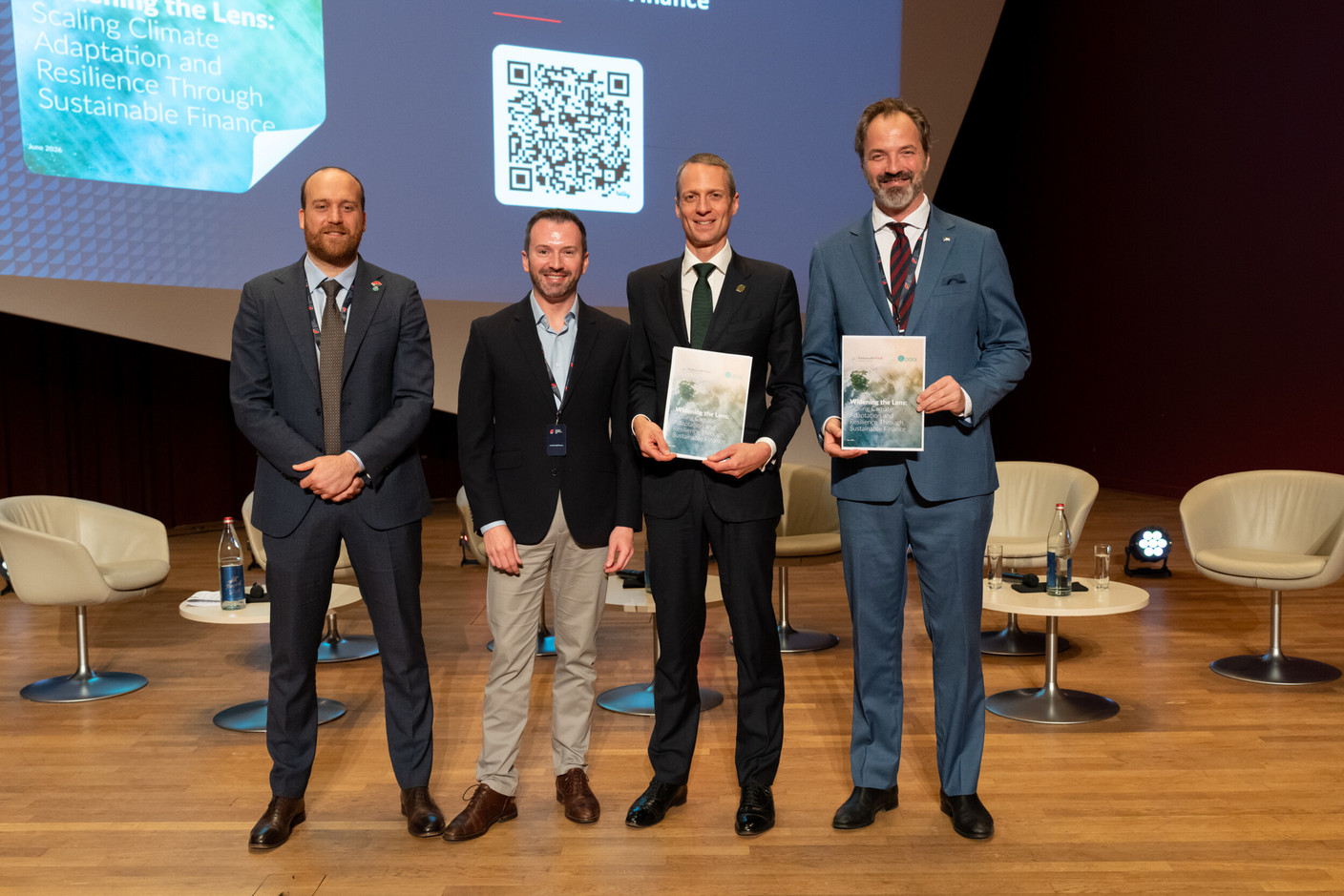

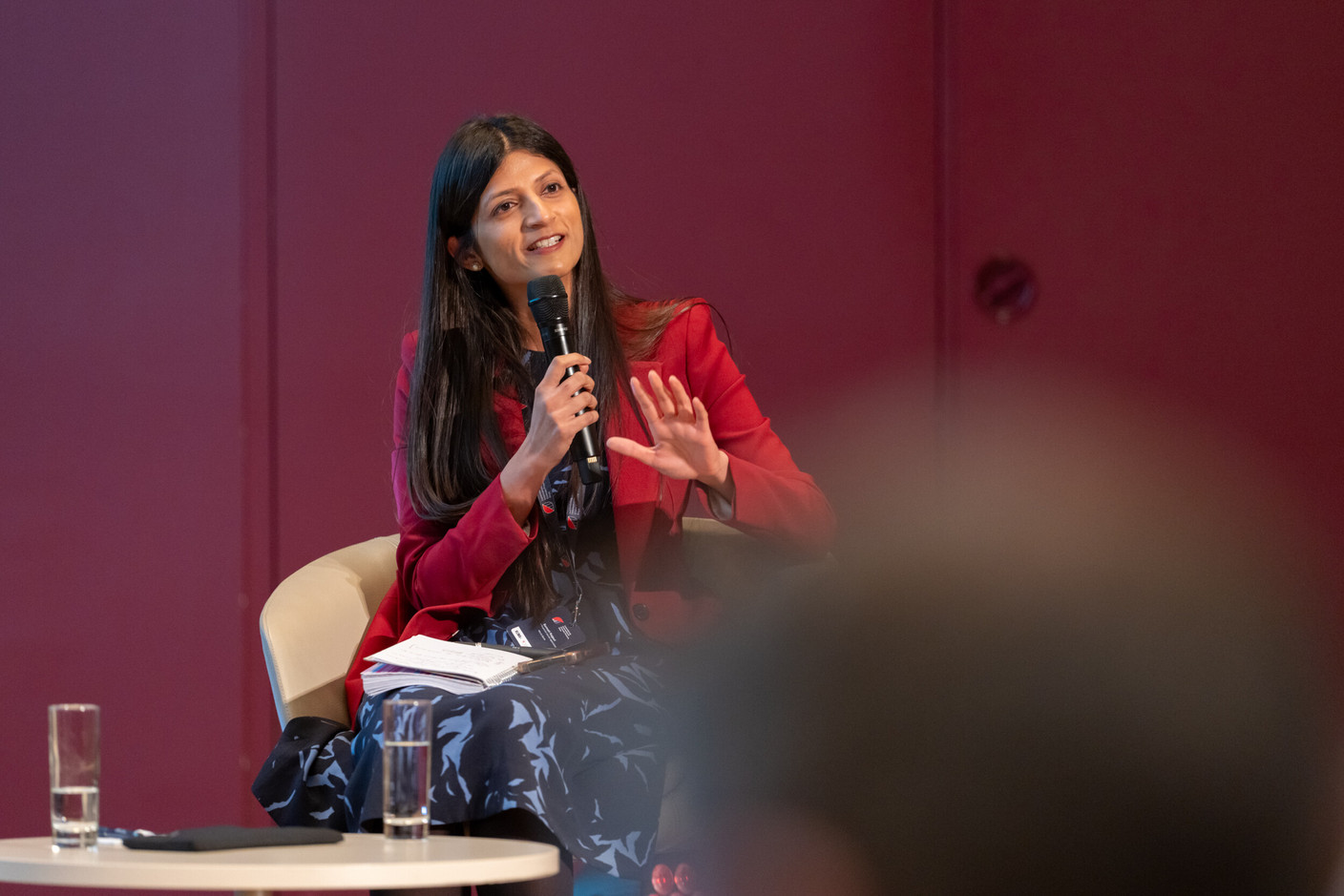
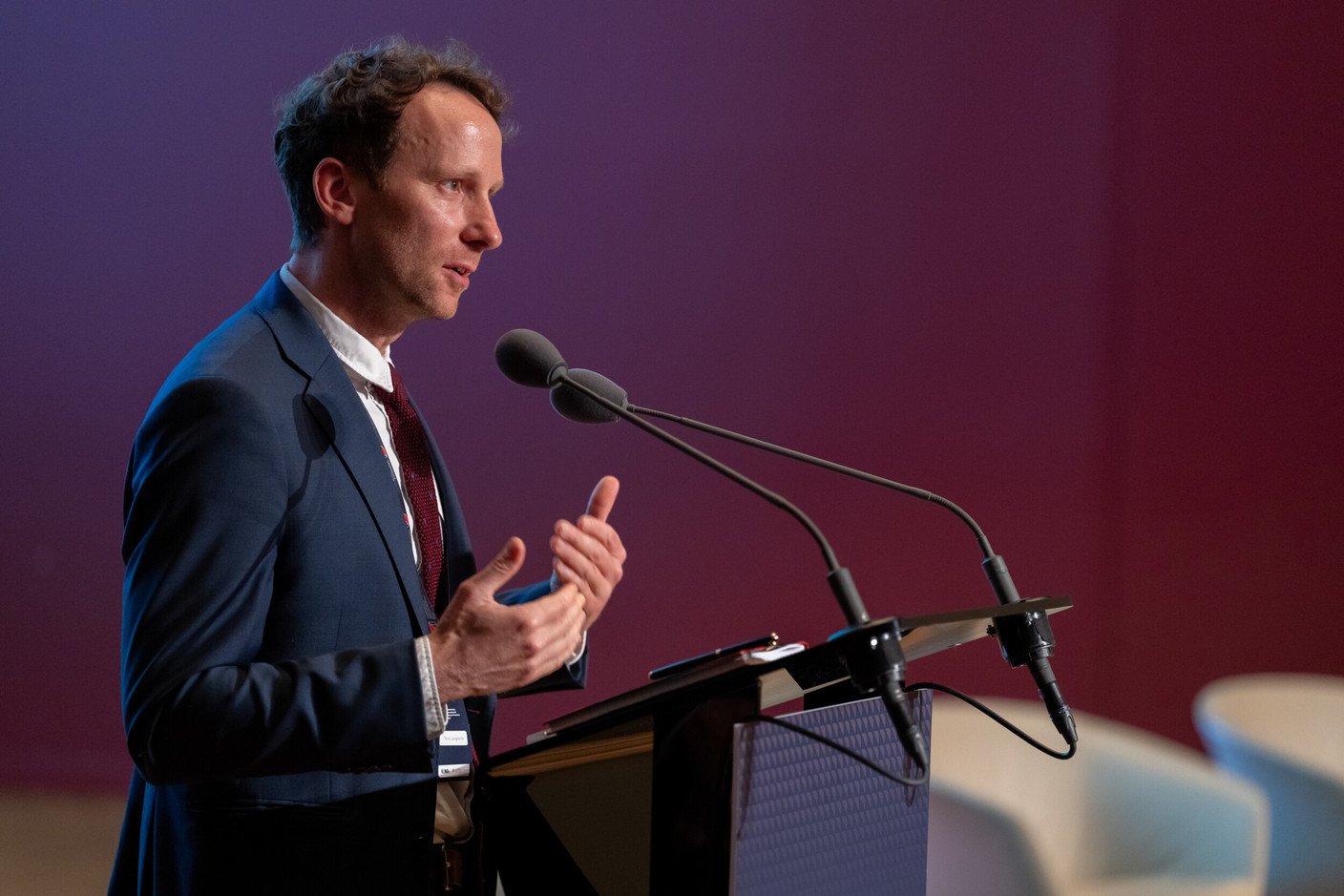
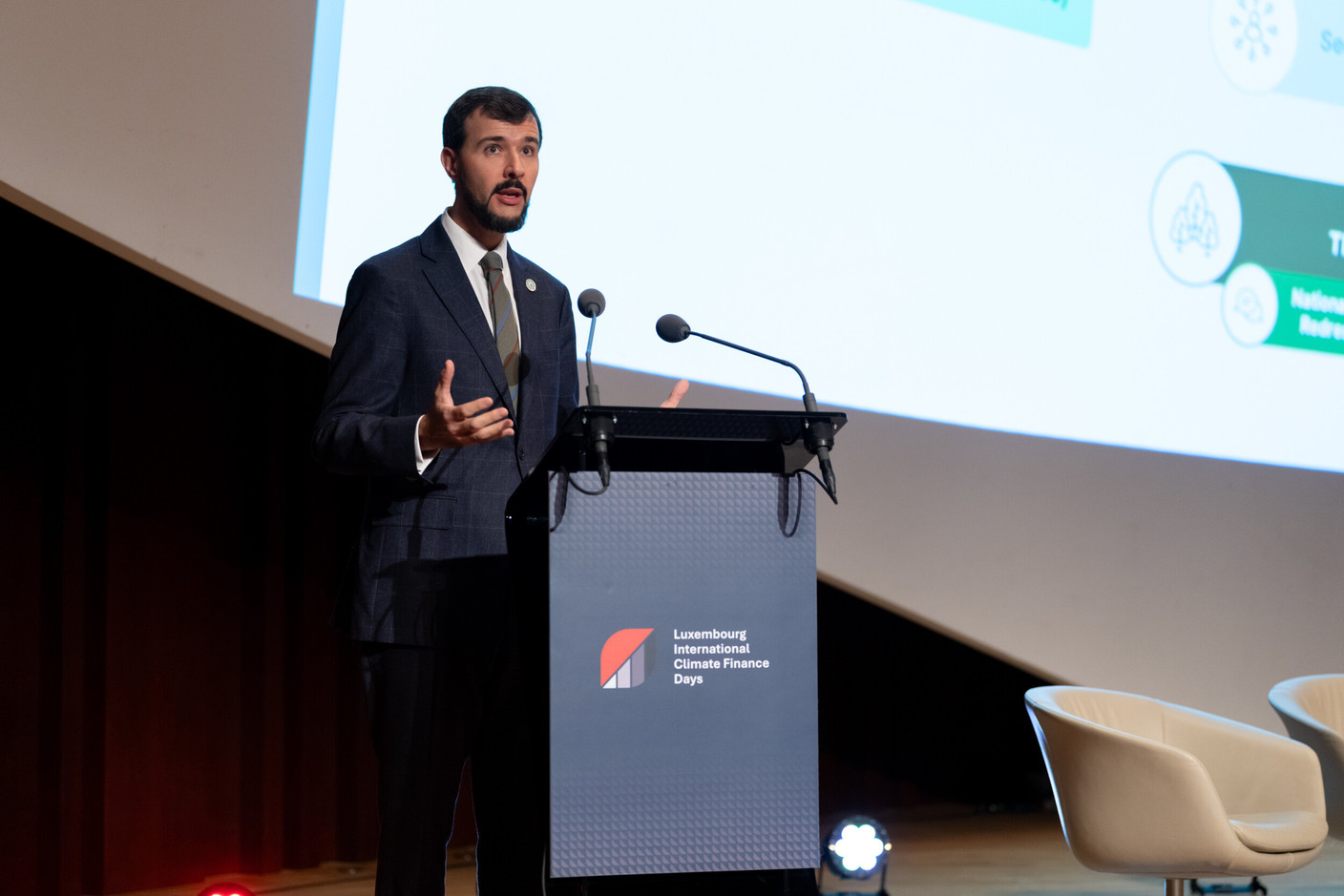
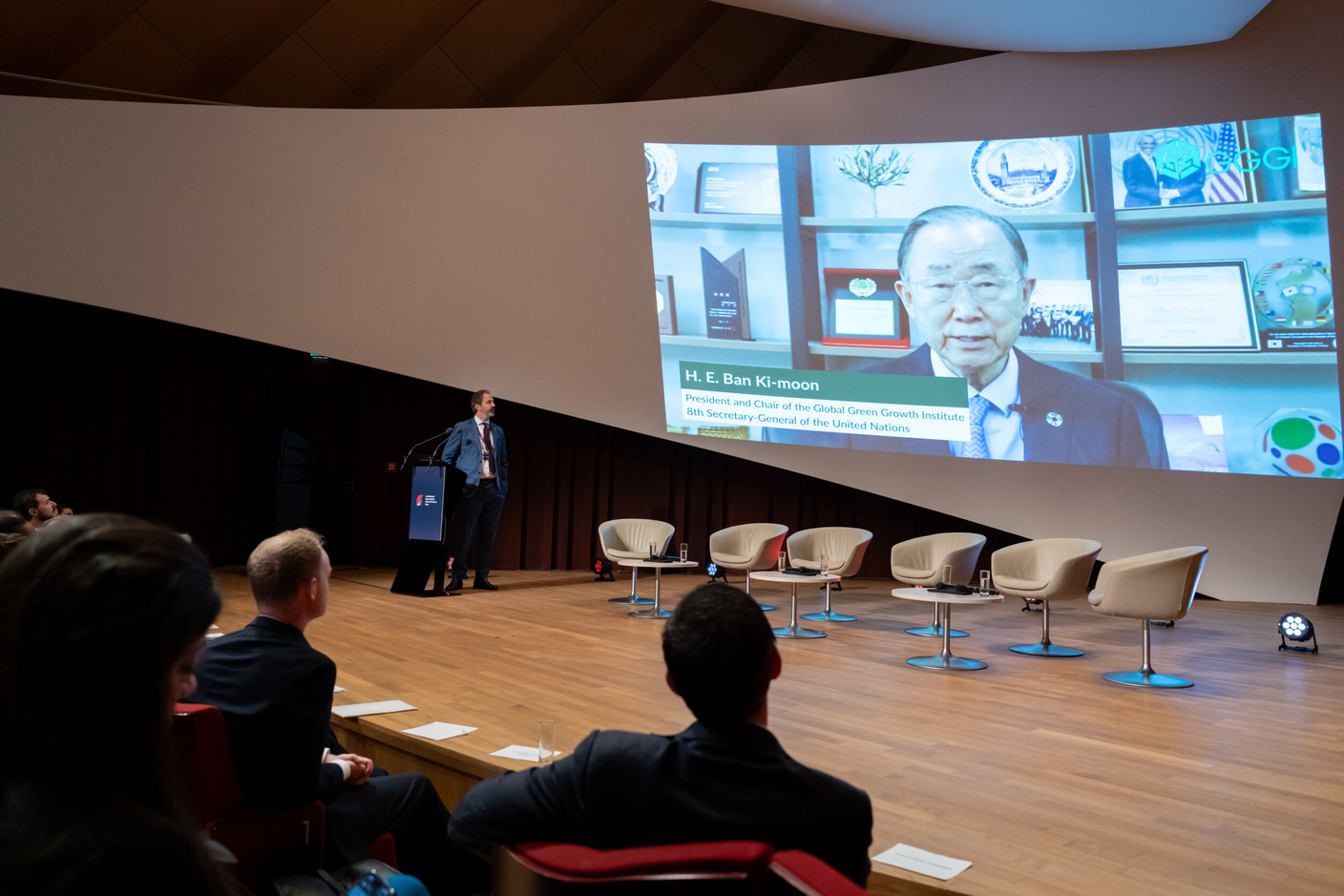



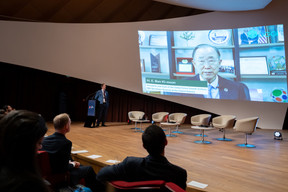
During the event, the Minister for the Environment, 
Up to $125 billion raised
The government has also formally launched the third phase of the Blue Natural Capital Financing Facility (BNCFF), developed in partnership with the International Union for Conservation of Nature (IUCN). This new phase focuses on local projects related to blue natural capital, with a particular emphasis on vulnerable communities and small-scale fisheries. But the major announcement at this first edition concerns the Tropical Forest Forever Facility (TFFF), an international mechanism designed to protect tropical forests through long-term financing. The initiative, supported in particular by Brazil and Norway, aims to mobilise up to $125 billion to make the conservation of tropical forests economically viable.
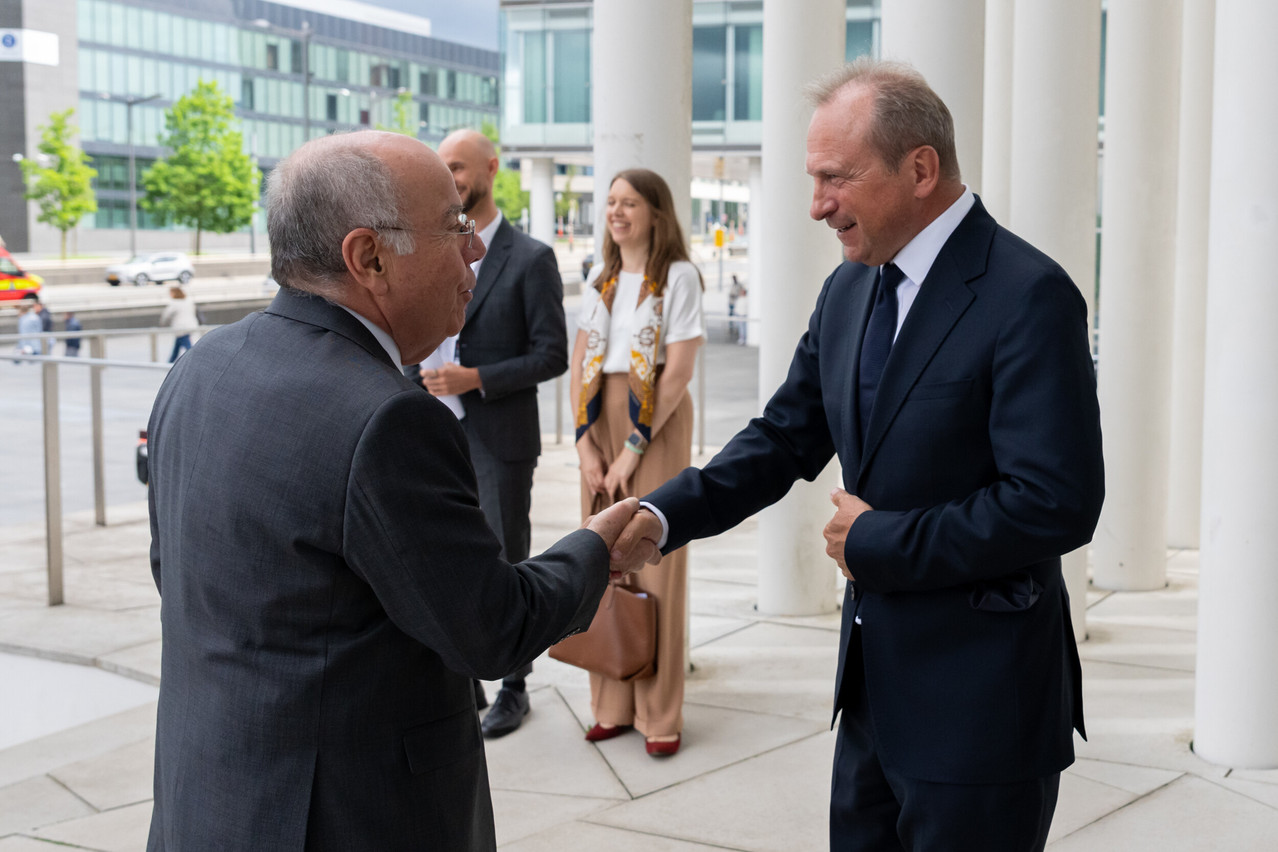
As part of this initiative, Luxembourg will host the Tropical Forest Investment Fund (TFIF), the financial arm of the scheme. In the presence of the ministers 
The Grand Duchy also plans to make a direct financial commitment of €50m between 2026 and 2030 through the Climate and Energy Fund, followed by ongoing annual support beyond that period. “Tropical forests are essential for climate stability, biodiversity and resilience. Protecting them requires not only political ambition, but also credible and scalable financial solutions,” said Gilles Roth.
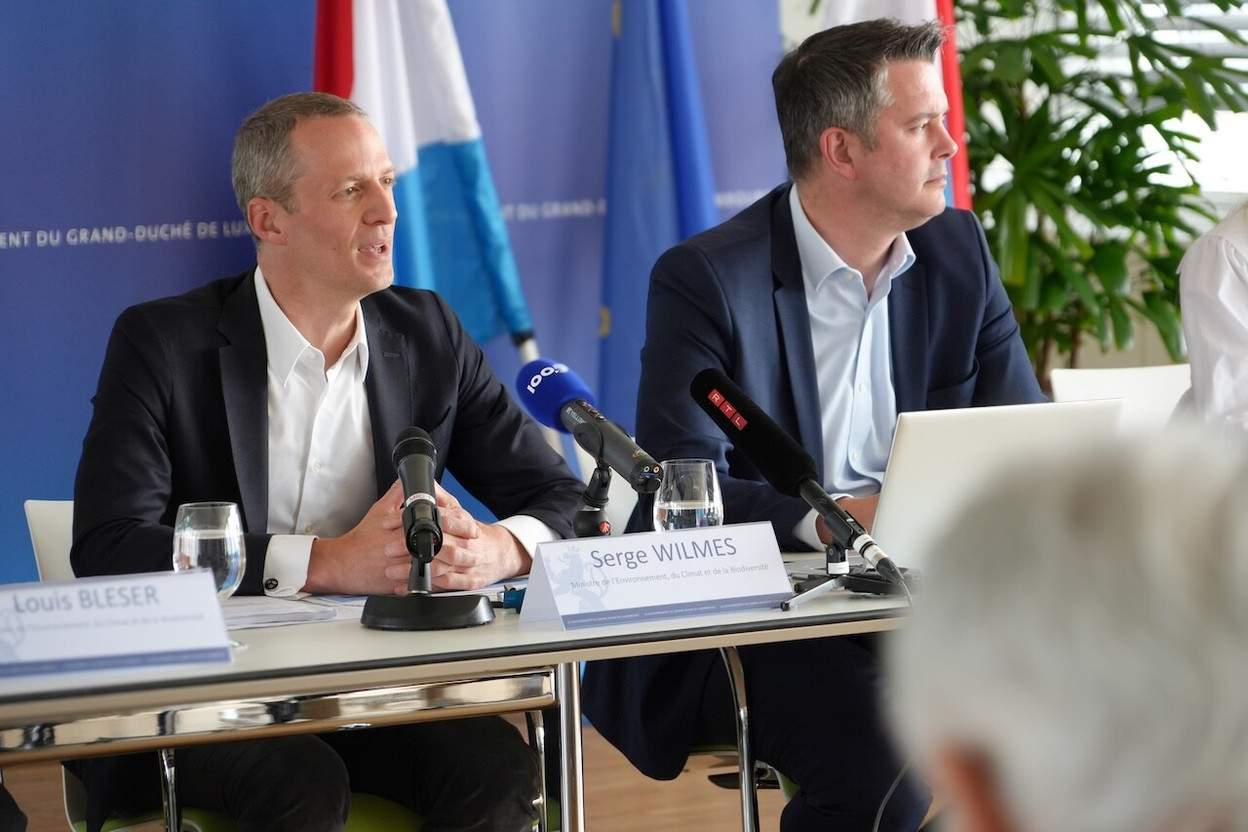
Serge Wilmes, for his part, believes that the project could address “one of the most significant gaps in global climate finance”. Mauro Vieira emphasised the geopolitical dimension of the initiative, noting that the TFFF brings together “countries from the North and South, as well as public and private actors, around a common goal: to assign economic value to intact tropical forests”.
The establishment of the TFIF in Luxembourg also sends a signal to the financial sector. The government is promoting the country as a credible hub for structuring international climate finance, at a time when financial centres are seeking to strengthen their position in sustainable assets and impact investments.
Greenpeace highlights the importance of indigenous peoples
However, the initiative has not met with unanimous approval. Greenpeace Luxembourg has welcomed the mechanism’s innovative potential, whilst calling for stricter safeguards. In particular, the NGO emphasises the governance of the scheme and the role given to indigenous peoples and local communities, to whom at least 20% of the funding must be allocated.
“This 20% must be seen as a minimum rather than a ceiling,” said Gauthier Hansel, campaigner at Greenpeace Luxembourg. The organisation is also calling for financial flows to genuinely benefit forest-rich countries and local communities, rather than just investors.
Greenpeace is also calling for robust exclusion criteria for the future fund. The NGO considers any investment linked to destructive mining, industrial logging or agribusiness responsible for large-scale deforestation to be incompatible with the TFIF’s objectives. “We cannot reward forest protection on the one hand whilst investing in their destruction on the other,” warns the organisation.
The next edition of the Luxembourg International Climate Finance Days is already scheduled for 24–27 May 2027. The government intends for the event to become a regular fixture in Luxembourg’s climate and financial diplomacy.