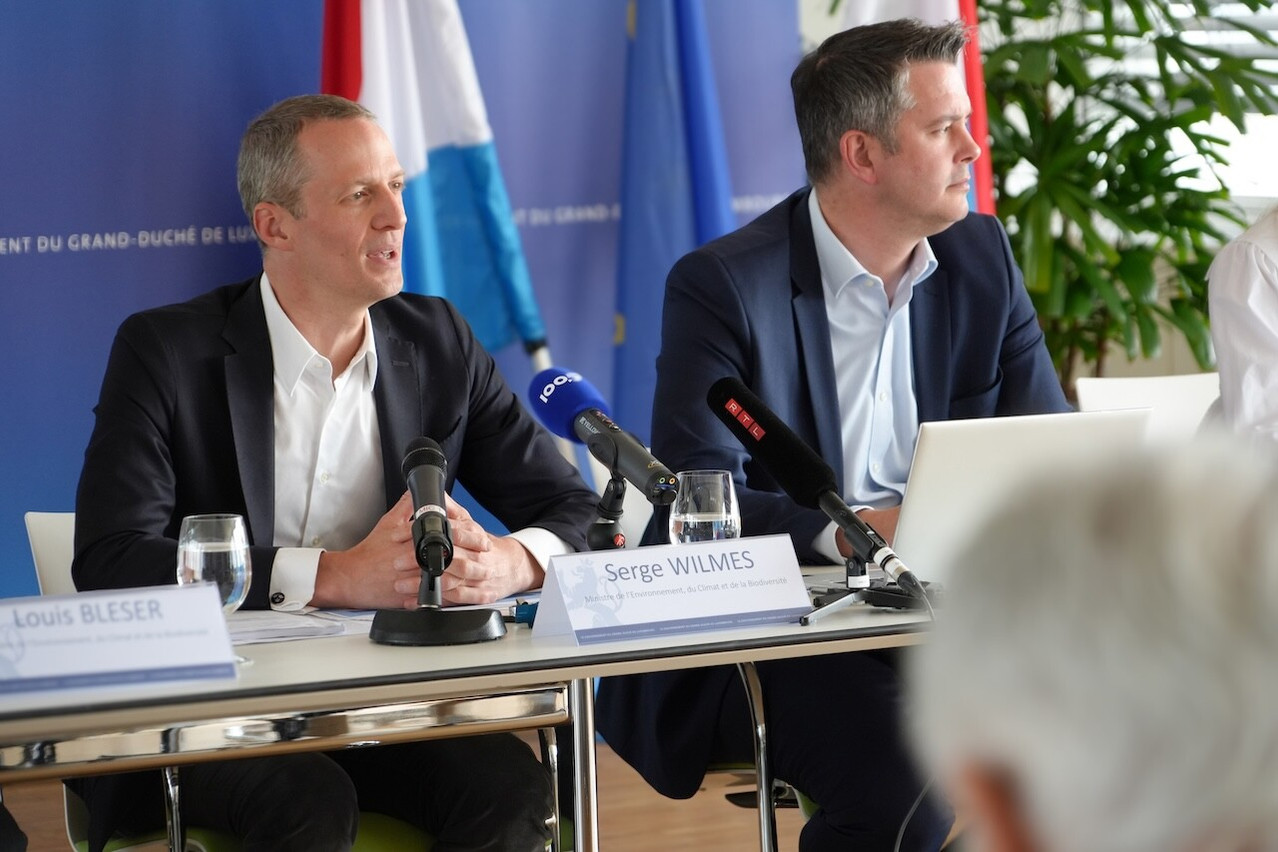
At a press conference on Friday 17 April, the ministers for the environment and the economy, 


A collaborative plan
The plan is the result of close cross-sectoral collaboration between several ministries (Environment, Economy, Family, Finance) and the Klima-Agence. Its development benefited from a wide-ranging consultation process launched in March 2025, including public surveys, discussions with the social sector and analytical support from Statec. A regular monitoring body will carry out an annual review of the measures’ effectiveness.
In essence, it is based on 45 measures that clearly prioritise grants and subsidies. The European Union (EU) makes subsidies available to member states that draw up such plans. For Luxembourg, the funding package amounts to €65m, drawn from the EU Climate Social Fund. €62m will be allocated directly to finance climate-related social measures.
A strategy balancing fairness, protection and recycling
The fundamental aim of this plan is to ensure that the green transition includes the entire population, with particular protection for vulnerable households, micro-enterprises and transport users who are most exposed to the costs arising from the introduction of the new European Union Emissions Trading System (EU ETS 2), which will come into force in early 2028. The approach is intended to be ‘dual’, according to the two ministers: to offset the costs associated with carbon pricing in order to preserve purchasing power and actively support the transition to sustainable solutions (energy renovation, renewable energy, electromobility).
In practical terms, this plan combines existing measures with new initiatives to meet the needs of citizens and small businesses. Among the measures already in place or planned are the CO2 tax credit – “which provides direct protection for those on the lowest incomes against rising energy prices,” explains Serge Wilmes – the “Topup social” individual housing support scheme, the phased introduction of pre-funding for the “Klimabonus Wunnen” and “Klimabonus Mobilitéit” schemes, support for solar panels on affordable housing, assistance for households in energy poverty, and the creation of a one-stop social services centre.
A detailed guide to social car leasing
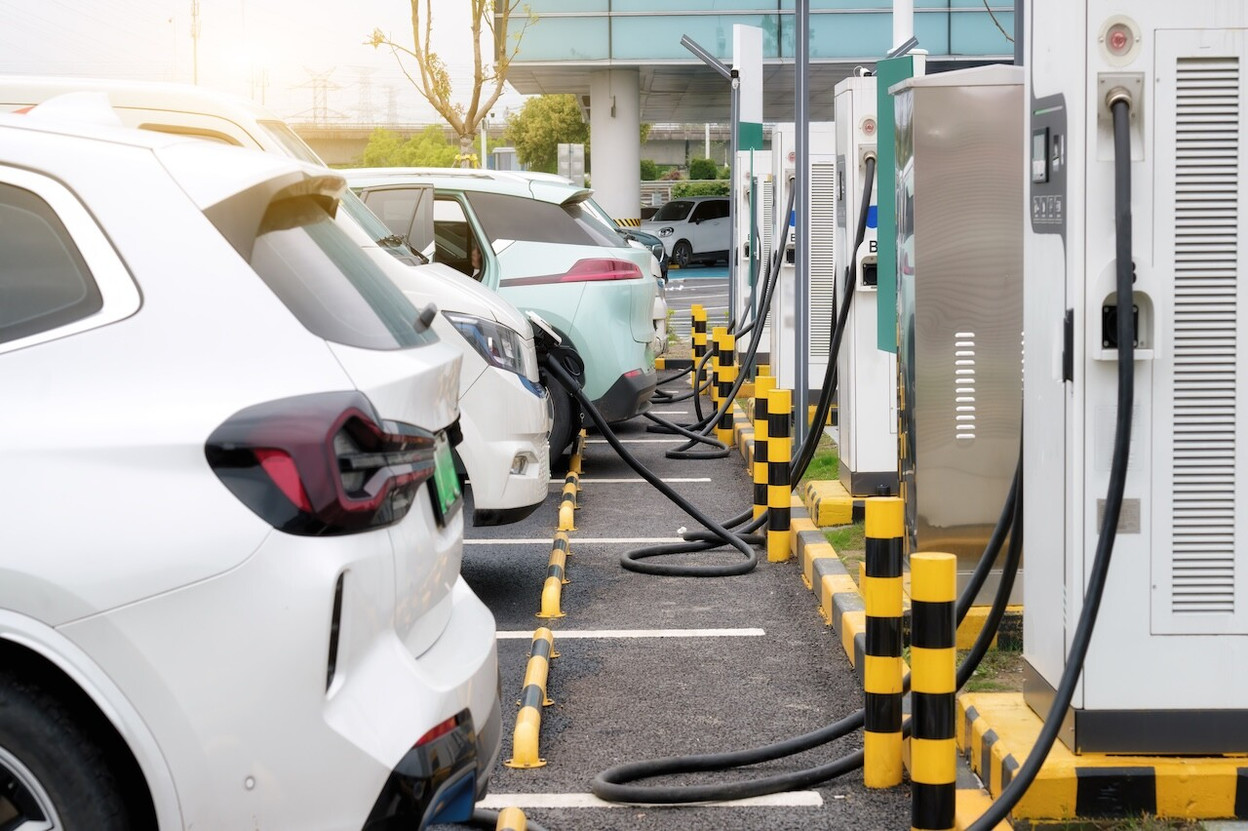
As for the new measures, ministers highlighted the energy-efficient refurbishment of vacant properties, the pre-funding of the Topup social scheme, and the government’s sharing of renewable electricity with vulnerable households and micro-enterprises. Added to this will be the introduction of a ‘social car leasing’ scheme. Based on long-term contracts with reduced monthly payments, this scheme will aim to guarantee affordable, zero-emission mobility for low- and middle-income households, in order to reduce transport insecurity and help accelerate the replacement of combustion-engine vehicles with 100% electric cars. Furthermore, a study on the rental challenges of the energy transition is to be launched.