American food giant Kraft Heinz announced on Tuesday 2 September its decision to split into two separate companies. In a statement, the group explains that this reorganisation is intended to "maximise the capabilities of the Kraft Heinz brands" and "enable the new companies to deploy their resources on their distinct priority strategies".
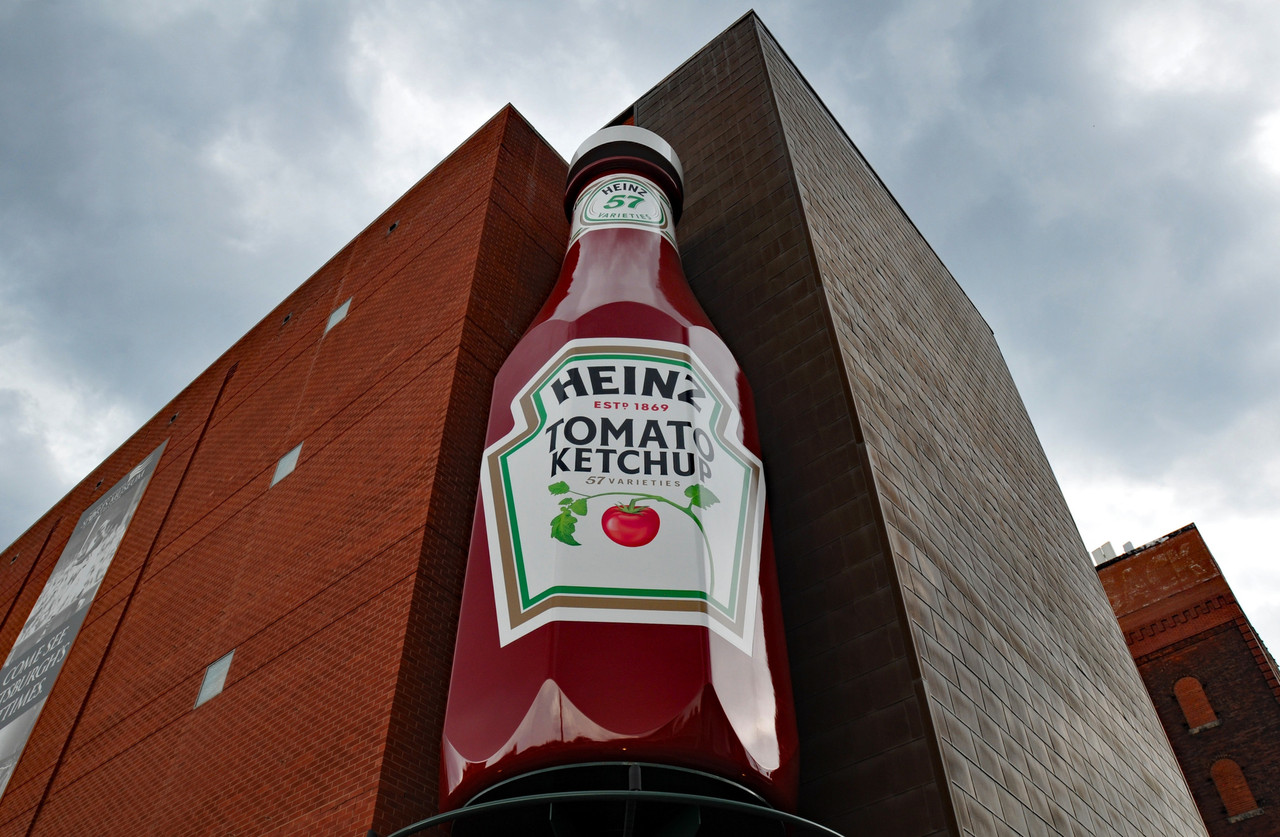
The names of the future entities have not yet been revealed. One will be dedicated to sauces, condiments, seasonings and spreads, including the famous Heinz ketchup and Philadelphia cheese spreads, with estimated sales of $15.4bn. The second, centred on the Oscar Mayer brand (known for its Kraft hot dogs and snacks), will have sales of around $10bn. It will be headed by the current CEO of Kraft Heinz, Carlos Abrams-Rivera.
"Kraft Heinz's brands are iconic and beloved, but the complexity of our current structure makes it difficult to efficiently allocate capital, prioritise initiatives and develop our most promising businesses," said Kraft Heinz executive chairman Miguel Patricio. "By separating into two companies, we can allocate the attention and resources needed to unlock the potential of each brand to improve performance and create long-term value for shareholders. I look forward to working closely with Carlos and the Kraft Heinz team over the coming months to prepare the organisation for the demerger."
From ambitious merger to stalled growth
Kraft Heinz was formed in 2015 from the merger between Kraft Foods and Heinz. At the time, the group was controlled by Swiss-Brazilian billionaire Jorge Paulo Lemann, via the 3G fund, and Warren Buffett, whose Berkshire Hathaway conglomerate still holds a 27.25% stake today.
The company quickly embarked on a cost-cutting strategy known as "zero budgeting", which involved questioning every item of expenditure. The approach initially paid off, but from 2017 onwards, sales growth began to slow. The announced demerger thus appears to be another attempt to return to sustainable growth.
This article was originally published in French.