The story probably never reached Luxembourg outside the interest: on 18 June, Sweden rejected a plan to build a 700MW undersea interconnector between Sweden and Germany, citing the inefficiency of the German electricity market and fears that the measure would drive up electricity prices. The €600m cable would have enabled Germany to benefit from cheaper electricity from the Baltic Sea as early as 2025 or 2026, where the Swedes are stepping up their initiatives, the latest being the installation of a new biogas megacentre at Hörby.
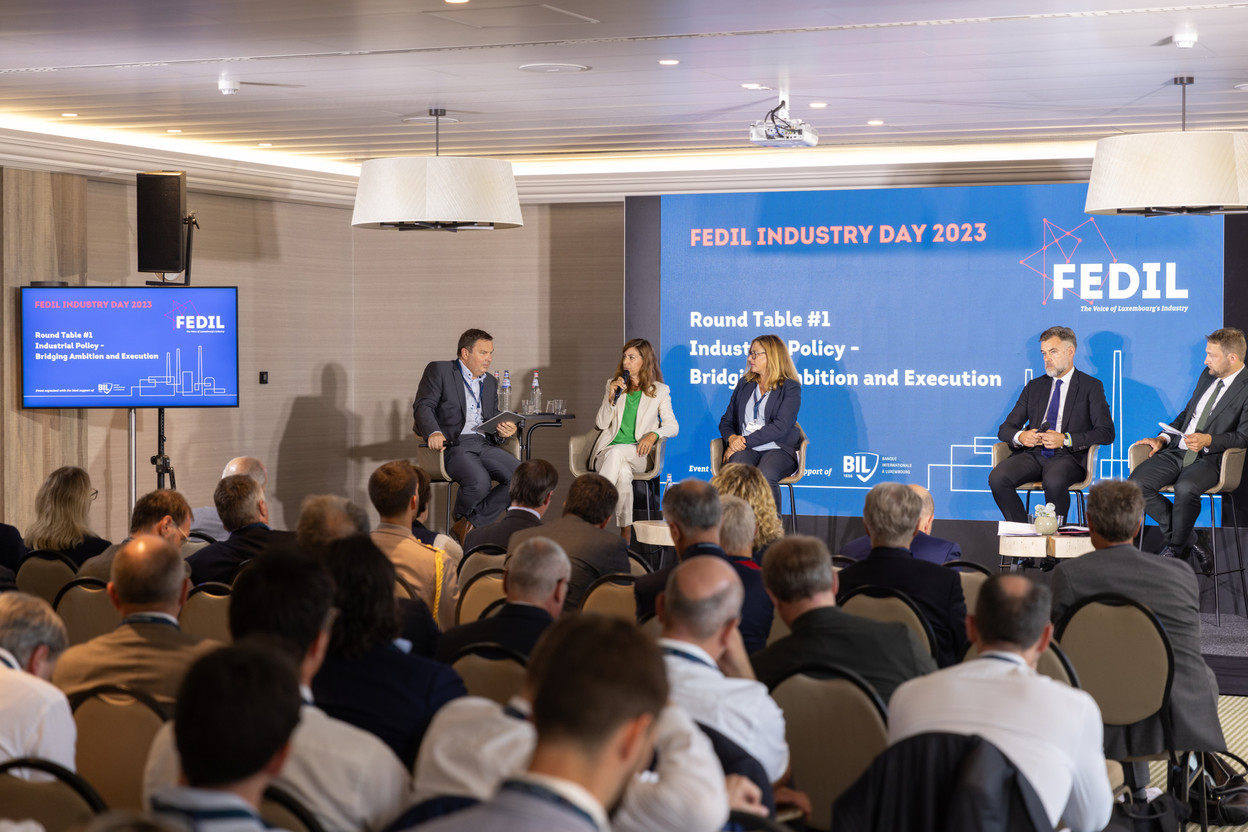
On Wednesday at L’Atelier, for the second edition of Fedil’s Industry Day, former energy minister Claude Turmes (déi Gréng): returned to his sharp tone--which has never really left him--to denounce an emerging trend in Europe, which we’ll call ‘energy isolation’: Some countries have made great efforts, invested heavily or are taking advantage of their proximity to the sea to build infrastructures from which they draw energy at lower cost that they are in no hurry to share with other member states.
But let’s look at this again: European manufacturers used to pay the same price for coal as their competitors, but now they pay three to four times more for electricity, which undermines their competitiveness. Not only are their competitors able to offer better prices, but they are also able to export to countries where European manufacturers cannot match their prices. To regain some breathing space in the midst of this transition, Europeans must continue to integrate the electricity market. In other words, make it more fluid and flexible.
First movers, first beneficiaries
“The situation is very different in Europe. France and Luxembourg have reduced their industrial impact for 2017 and 2023. Germany is stagnating. Denmark has increased its green production by 62%, just ahead of Sweden, Spain and Portugal. What do they have in common? They are the first movers in renewable energy. Because they moved very early and very hard, and harder than the industrial lobbies asked them to, these countries took the benefits,” explained the former minister.
While the European Commission, in its new report on the state of the energy union, calls for the continued development of the European electricity grid at the pace of fairly “modest” ambitions (15% interconnectivity by 2030), the former head of the European Central Bank, Mario Draghi, in his competitiveness report calls for this issue to be taken to the pan-European level and for the European Commission to define a European regulatory framework.
“It’s probably the most important thing for Luxembourg,” Turmes said on stage. “Why? Germany will have competitively priced electricity in 2030, thanks to renewable energy. 80% renewable. We are a country at risk, which will never be a champion because our renewable energy will always be more expensive. But we need to join forces with offshore facilities and allow the internal market to function. Draghi has called for green energy investments and the green energy grid to be Europeanised. If the Netherlands doesn’t invest more than just for itself in the grids, the offshore electricity that will be cheap in northern Europe will never reach Luxembourg.”
Up to €425bn to be invested in networks by 2030
There are two hidden issues here: that of a European normality, of a European grid where all the producers bring their electricity to the whole of Europe and where supply and demand come into play; and the question of how to finance this work. Why should those who already produce enough green energy build an infrastructure to sell it to their neighbours when they could see industrialists setting up in their own countries?
According to the European Commission, of the €584bn of investment needed in the electricity sector in Europe between now and 2030, €375bn to €425bn must be invested in distribution networks. Who will pay for this?
A concern echoed on stage by Creos CEO 
Speeding up the administrative process
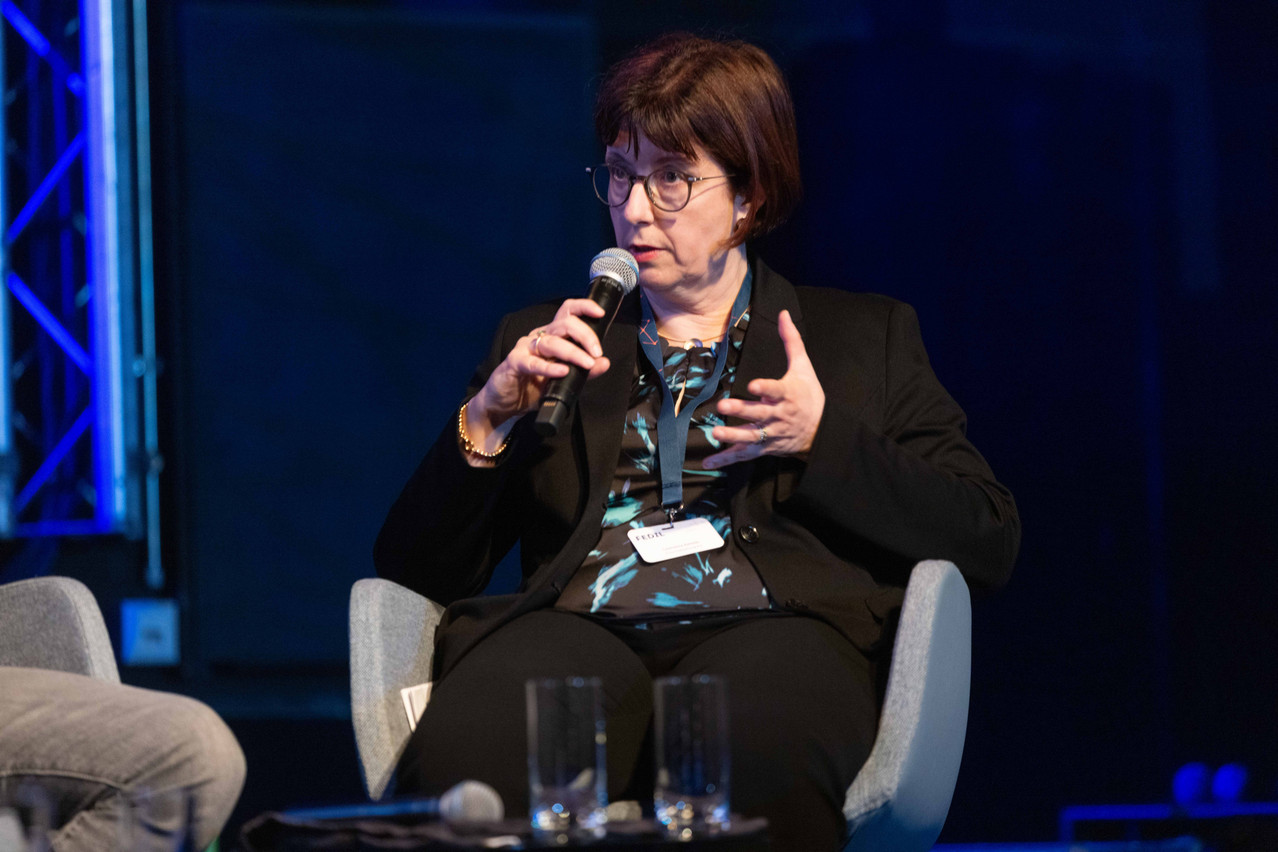
“There are two important issues. First, investments need to be made. For example, we are investing €200m to €300m a year. In the network. In Luxembourg. Just for this small country,” pointed out Zenner. “Then, if we move to a decentralised, less controlled mode, there are questions of flexibility that arise, opportunities--including for industry--but which require us to take into account points of view other than those of today. Energy is not available just like that. We need to work together with all our partners, industry, producers, consumers, whether they are individuals or large consumers... If you want to increase the network, there will be a part of it at some point that will require higher costs. What’s often missing from the discussion is a holistic view of the whole energy issue. This is a delicate moment, but we need to act quickly.”
And when the master of ceremonies, Gaston Trauffler, Fedil’s head of industrial policy, asked her with a touch of mischief what should be done--in front of Crown Prince Guillaume and economy minister 
Luxembourg has another trick up its sleeve: the European Commission’s report points to the benefits of a European digital twin for electricity networks.
This article was originally published in French.