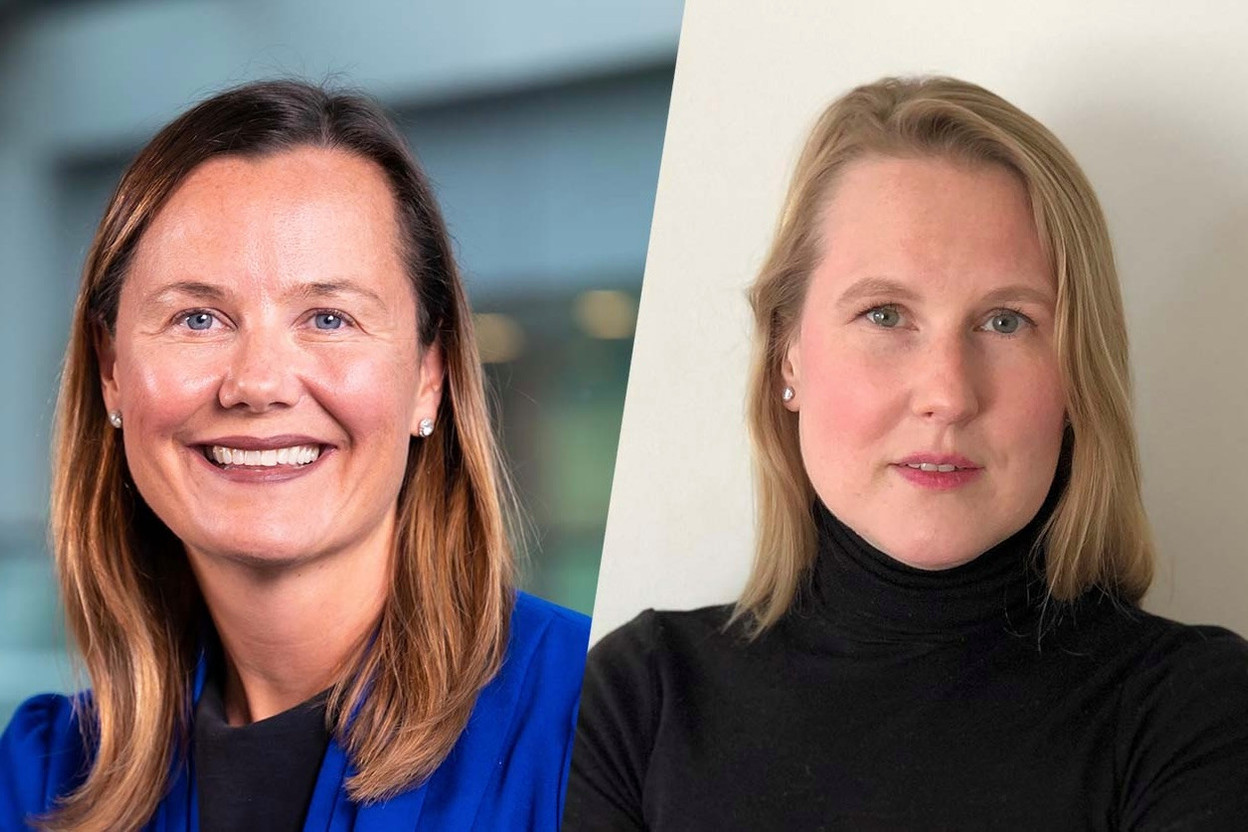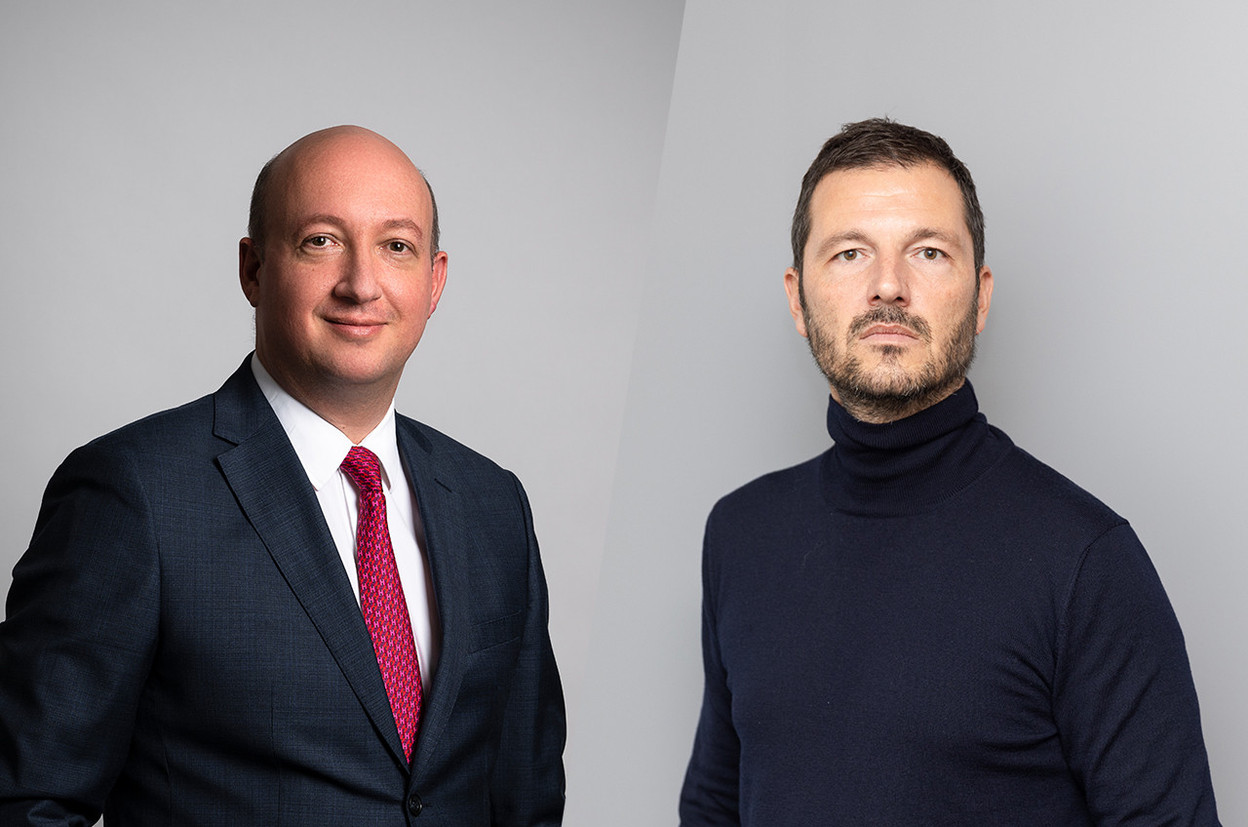
Natalie A. Gerhardstein: How robust is the appetite for ESG amongst high-net-worth individuals (HNWIs), and how has it evolved over the past years?
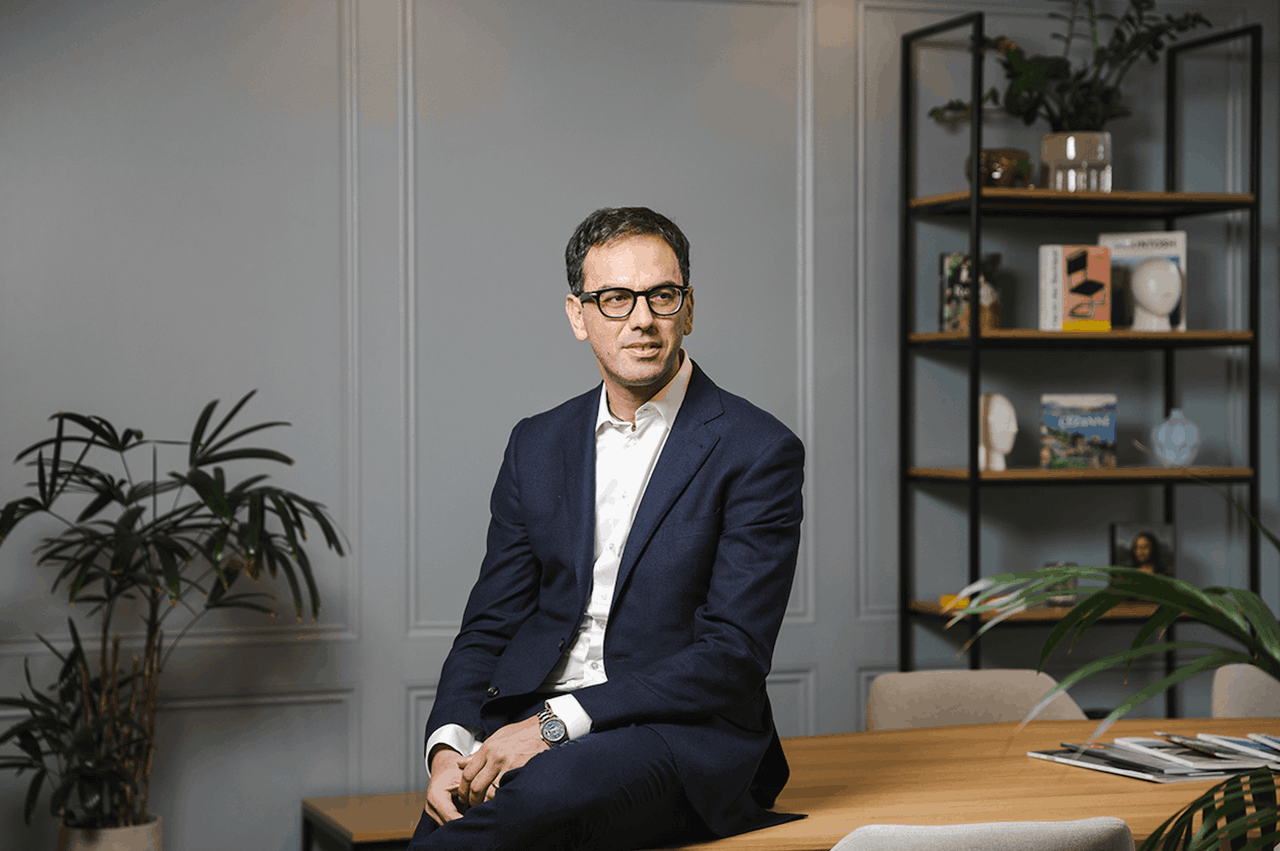
lIario Attasi: Over the past decade, we have seen a notable increase in the appetite for ESG investing among HNWIs, driven by a desire to align investments with personal values and a growing recognition of the long-term benefits of sustainable practices. That includes not just environmental but also social and governance practices, which are often overlooked.
At the same time, there is no doubt that the outlook for ESG investing has changed since 2022--when the Russian invasion of Ukraine led to a significant spike in oil prices--and to some extent following Donald Trump’s recent return to the White House.
It’s important to put shorter-term trends in perspective, however. Investors are constantly seeking to limit their investment universe by excluding poorly run or excessively risky companies. Incorporating ESG metrics is an attempt to evaluate and avoid risk--and identify opportunities--based on factors not always associated with investment decisions in the past. These factors are increasingly recognised as important to successful long-term investing.
Millennials in particular look with increasing concern at the world they are inheriting. It’s therefore no surprise that they are putting their money into ESG investments at much higher rates than the average investor. In the context of the largest intergenerational wealth transfer in history--with trillions set to pass from baby boomers to millennials over the coming decade--we can clearly expect this trend to accelerate.
Which areas of ESG are most attractive for these clients?
The most attractive areas of ESG for clients often centre on climate-related investments, but priorities vary significantly. Some clients focus on limiting fossil-fuel exposure by excluding such assets from their portfolios, ensuring they are not contributing to industries they perceive as harmful.
The biggest misconception about ESG investing is that it is focused exclusively on renewable energy sources, such as solar and wind, or recycling.

Others take a more proactive approach by seeking investments that drive measurable impact, such as microfinance initiatives supporting sustainable development or direct investments in renewable energy projects. Meanwhile, some investors are drawn to the principles of the circular economy, opting to support companies that align with their ethical and environmental beliefs--such as fashion brands that use recycled materials or innovative production methods to reduce waste.
What are the misconceptions around ESG investing?
The biggest misconception about ESG investing is that it is focused exclusively on renewable energy sources, such as solar and wind, or recycling. In reality, ESG is much broader and encompasses the evaluation of well-managed, high-quality companies that demonstrate a deep understanding of their supply chains and actively work to improve their ESG practices. Such companies are not just mitigating risks but also enhancing operational efficiency, reducing waste and strengthening organisational resilience--all of which can contribute to superior long-term financial performance. That’s why we take a broader view of risks and opportunities: to help our clients build stronger portfolios and foster beneficial change.
The EU is set to cut back ESG reporting rules, whilst the Trump-Vance administration has made clear its anti-ESG agenda. Are we entering a new era?
There has been a lot of speculation about the implications of recent changes to the EU’s Corporate Sustainability Reporting Directive (CSRD), which requires companies to disclose detailed information about what they see as the risks and opportunities arising from social and environmental issues, as well as on the impact of their activities on people and the environment.
The CSRD is a big, important piece of legislation. It also requires companies to make a tremendous investment of time and resources, as I can tell you from first-hand experience at Quintet. In February, the European Commission adopted a package of proposals to simplify rules and boost competitiveness; the scope of that package included the CSRD. Importantly, sustainability reporting obligations have not changed. What has changed is that smaller companies have been exempted, at least for now. Mario Draghi, the former European Central Bank president, wrote last month in a column in the Financial Times that the EU’s “high internal barriers and regulatory hurdles… are far more damaging for growth than any tariffs the US might impose.”
Read also
I see recent changes to CSRD reporting obligations in that light: as a commonsensical decision to ease a significant regulatory burden on smaller companies and boost their competitiveness. I do not expect the EU to drop its commitment to achieving net-zero greenhouse gas emissions by 2050, which is a central component of the European Green Deal and legally binding under the European Climate Law.
How does Quintet work with clients to help them align with their ESG goals and values?
Your question includes a very important word: “values.” We recognise that ESG is often about deeply held beliefs, reflecting the individual values of the families we serve. That’s why we do not impose our values but rather offer our clients a wide range of choices so they can invest in alignment with their values. Depending on a client’s preferences, we offer them an investment approach that’s right for them. That can include--among other ESG solutions--Future+, a sustainable investment mandate we introduced this month in partnership with Blackrock, based on Quintet’s ESG principles and overarching sustainable investment philosophy.
Every client is different and has a different set of values, including as it pertains to ESG.
Future+ invests in funds that prioritise ESG factors. With a minimum of 75% sustainable investments, it aligns with Article 8 Sustainable Finance Disclosure Regulation (SFDR) requirements, which means that Future+ integrates ESG factors in the investment process. Will every Quintet client choose to invest in Future+ as part of their broader portfolio? No, of course not. Because every client is different and has a different set of values, including as it pertains to ESG.
Corporate sustainability journey
Quintet’s social responsibility involvement in 2023 included supporting over 59 charitable organisations, as well as over 3,873 volunteer hours and more than €225,000 donated to them.
This article was written for the Wealth Management supplement to the April 2025 issue of Paperjam magazine, published on 26 March. The content is produced exclusively for the magazine. It is published on the site to contribute to the full Paperjam archive. Click on this link to subscribe to the magazine.
Is your company a member of Paperjam Club? You can request a subscription in your name. Let us know via club@paperjam.lu