When did you realise that your passion could become a career?

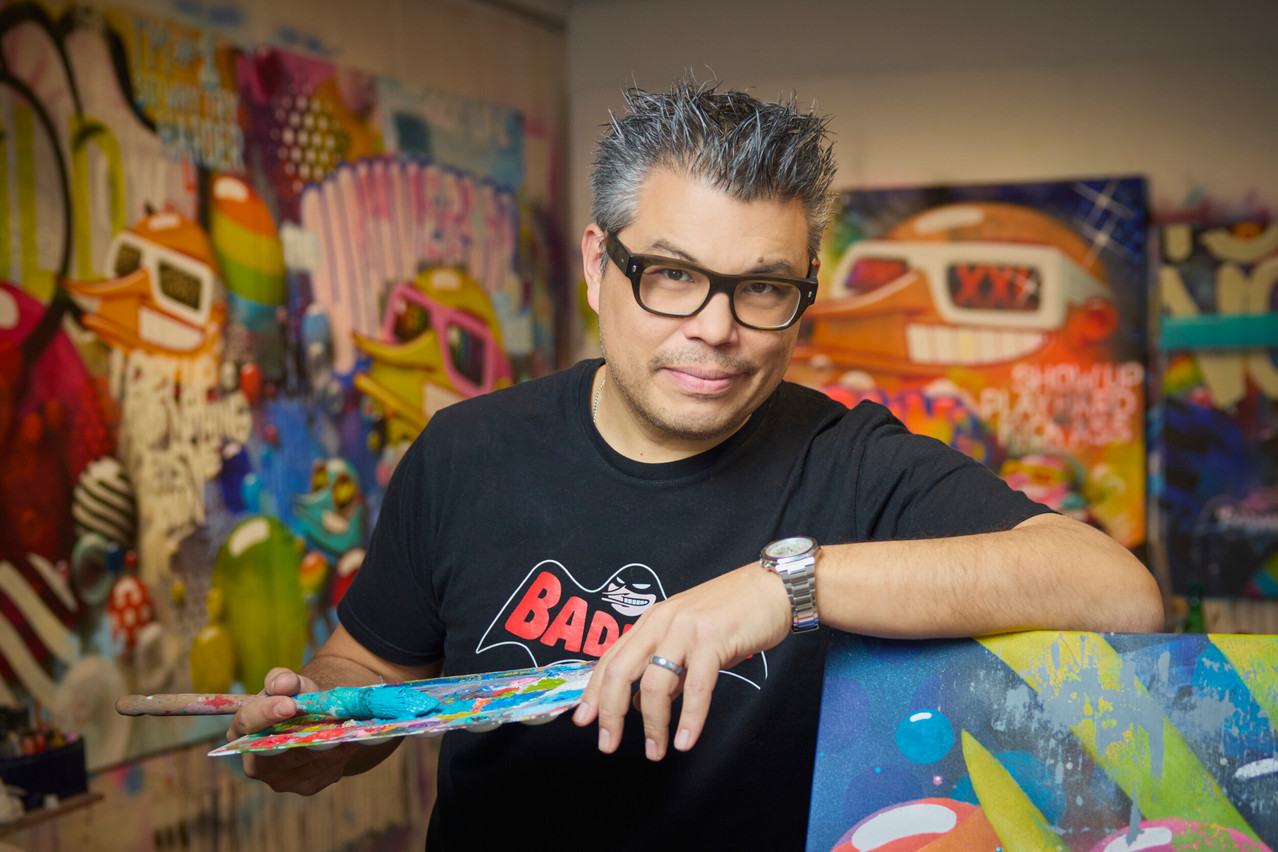
My goal was never simply to become an artist. I wanted to find a way to earn a living doing something I was passionate about and, ideally, have fun doing it. We spend such a huge part of our lives working, so I’ve always felt that this time should be enjoyable too.
That’s ultimately why I decided to quit my day job and give it a real try. And strangely enough, it was only once I took that decision and took responsibility for making it work that I realised: actually, this is possible.
How can you maintain your artistic freedom whilst fulfilling commissions?
“People usually know and like my work before commissioning a piece or collaborating with me. What they are looking for is their own personal version of it, but it still has to feel real and authentic.
I try to understand the client, their personality, values and story, and use that as inspiration. But rather than simply executing their idea, I filter it through my own way of seeing things and translate it into my visual language.
Hopefully, they recognise themselves in the result, but in a way they could never have imagined themselves. If someone comes to me because they like what I do, they also have to give me the freedom to do exactly that. I don’t compromise on that freedom. I think it’s precisely what makes the result genuine.
What is your view on the role of art in public spaces?
“For me, art is there to create a reaction, start a dialogue, tell a story or simply interact with what surrounds it. Art in public spaces can completely change the feeling of a place. It can brighten up an otherwise dark or anonymous space, give it an identity, become a landmark or serve as a reminder of a particular moment in time.
Art can also break up the rigid, man-made structure of streets, walls and buildings and introduce something unexpected.
The beauty of public art is that it is there for everyone. It isn’t confined to a gallery or something one person can buy and take away. Everyone can experience it and, in a way, make it their own for a moment, by taking a photo, a selfie, meeting around it or simply passing it every day. It becomes part of the environment and part of people’s everyday lives.”
There are still a few spots left for this 10x6, so don’t wait and register now!