Inflation is currently affecting all segments of the economy and despite production rising by almost 6% to 90.2 million tonnes in Europe last year, the paper industry is under severe pressure.
“Price increases can range from 47% to 90%, and not a week goes by without at least one supplier informing us of a price increase,” explains Olivier Dauvister, director at Italux Emballages.
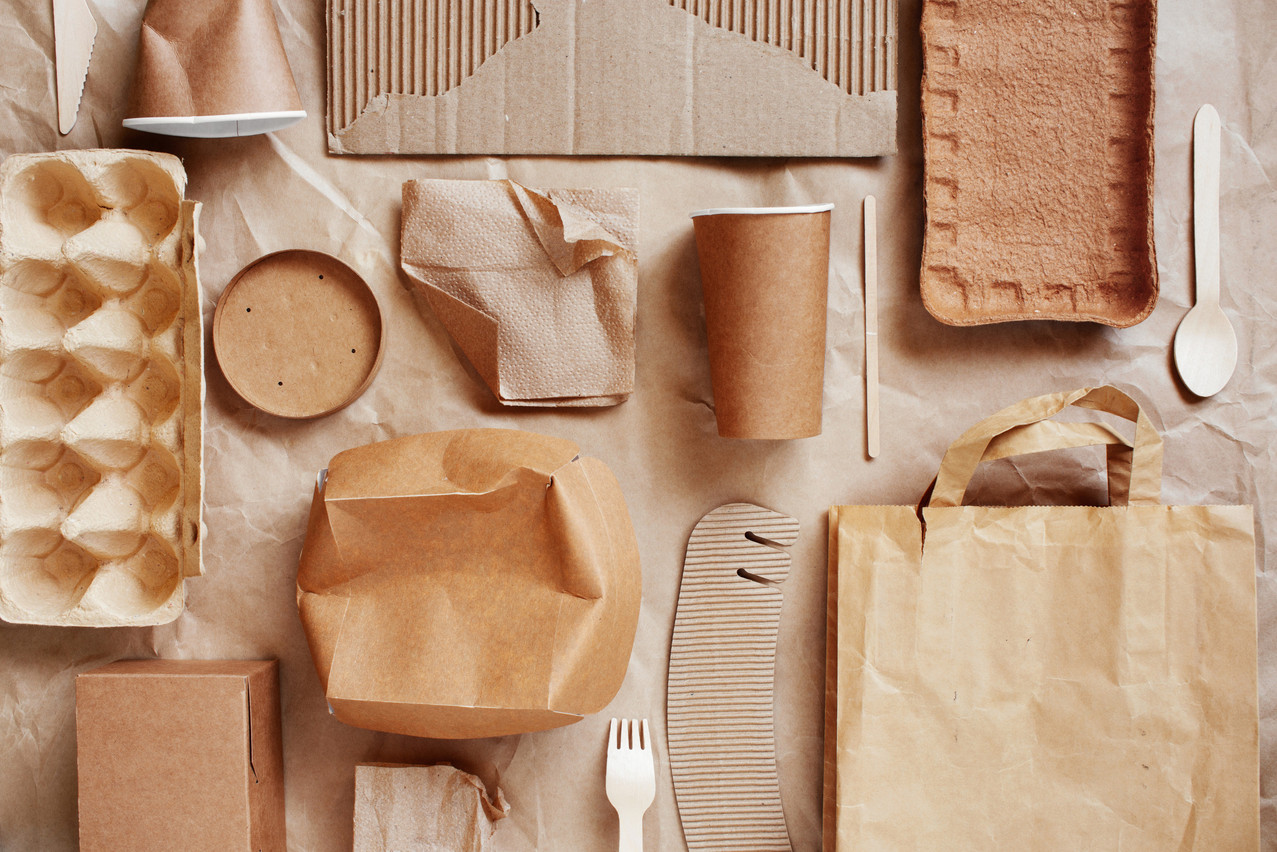
The packaging producer is facing additional increases due to on the one hand the soaring prices of packaging materials such as cardboard, which can go up to 160%, and on the other hand the prices of components such as adhesive (+70%) and ink (+15%). This has added to the pressure on the industry created by the covid pandemic, repeated lockouts in Asia, a halt to wood imports from Russia and Ukraine due to the armed conflict, and a strike since January at UPM in Finland, one of the world's largest paper, label and packaging manufacturers.
With the three to sevenfold increase in transport costs and the rise in energy costs--around 25% according to Italux--expenses for those companies rise considerably.
Towards eco-responsibility
“I don't agree with the phrase ‘Good packaging is packaging that doesn't exist’. Depending on the product, it is not conceivable not to pack it. As a reminder, packaging has four functions: protection, transport, preservation and information,” insists Dauvister. He has observed an evolution in customer demand towards solutions based on eco-responsibility.
In the paper bag segment, demand is shifting to other materials such as cotton, jute, bioplastic and bamboo. The Ehlerange-based company says it has adapted to the context of soaring prices on its price list, which has been reduced in validity. “We have tried to compensate on our side so as not to suffocate the customer”, says its director. Delivery prices are set at the market price on the date of delivery and the SME assures that it favours short circuits, as well as its partners located in Europe as much as possible.
At the packaging distributor Evolu Pack, the stated objective is also to reduce the impact of the current context on customers. “We are increasing our purchasing volumes, we are using alternative suppliers and we are trying to be patient, as the situation seems set to last for some time yet,” admits its purchasing/sales manager, Sandrine Richard.
In addition to this price hike, the sector must also deal with the waste law, whose gradual implementation over the next few months is expected to bring about changes for consumers and retailers. Meanwhile a package law looking to reduce the amount of waste generated in Luxembourg is expected to come into force in 2022.
This story was first published in French on Paperjam. It has been translated and edited for Delano.