Paperjam takes you across Europe to discover the most beautiful cities to visit during the festive season. Cultural escapades, emblematic museums, unusual places or charming addresses: embark on a tour of destinations to (re)discover this winter.
Focus on Berlin, a fascinating capital where the past is in constant dialogue with the avant-garde. Here, classic facades rub shoulders with street art frescoes, century-old museums stand next to ultramodern exhibition spaces, and history is a presence around every corner.
The Museum Island
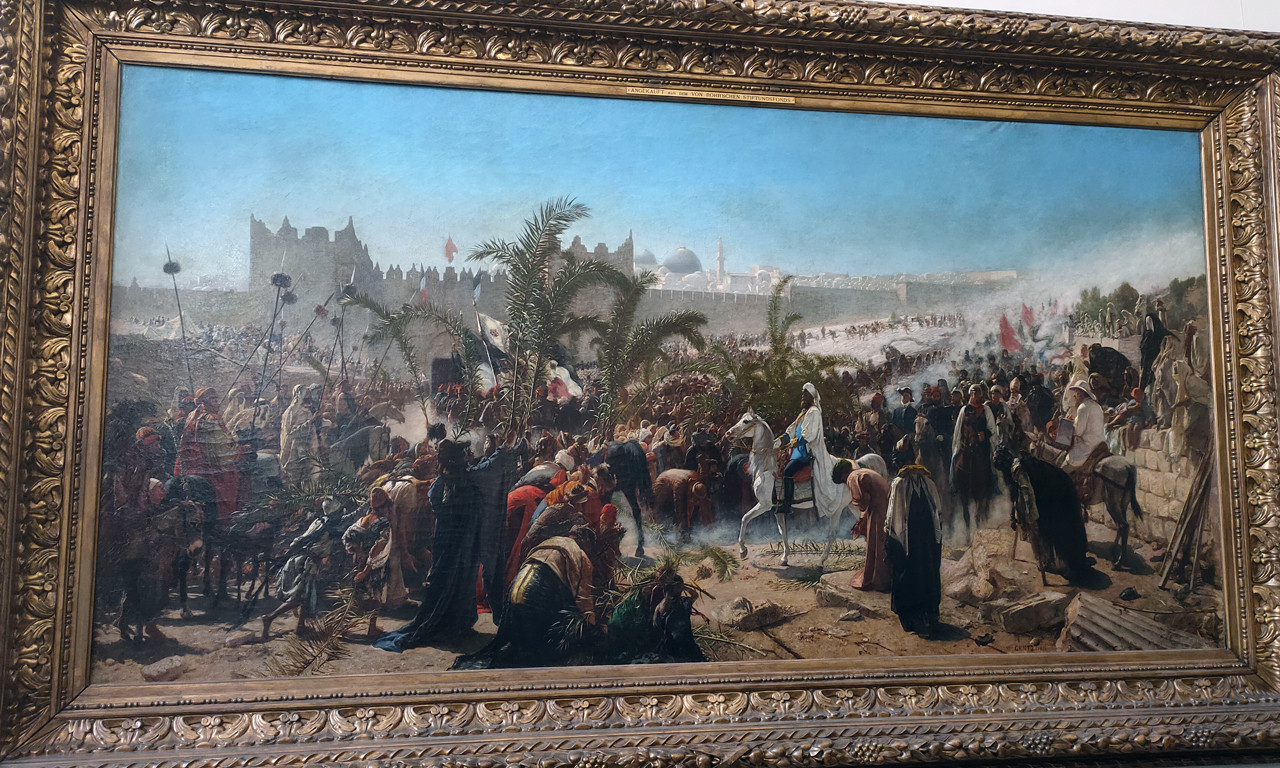
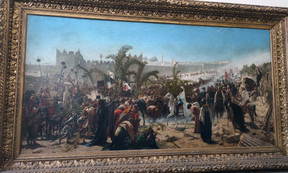
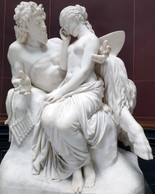
A Unesco World Heritage Site, Museum Island is one of Europe’s most impressive cultural complexes. Five major museums retrace the entire history of art, from Antiquity to the early 20th century. The Pergamonmuseum, famous for its monumental altar, is unfortunately closed for works until 2027. So we’ll have to make do with “Pergamonmuseum - the panorama” a 360° immersive experience on the other side of the bridge.
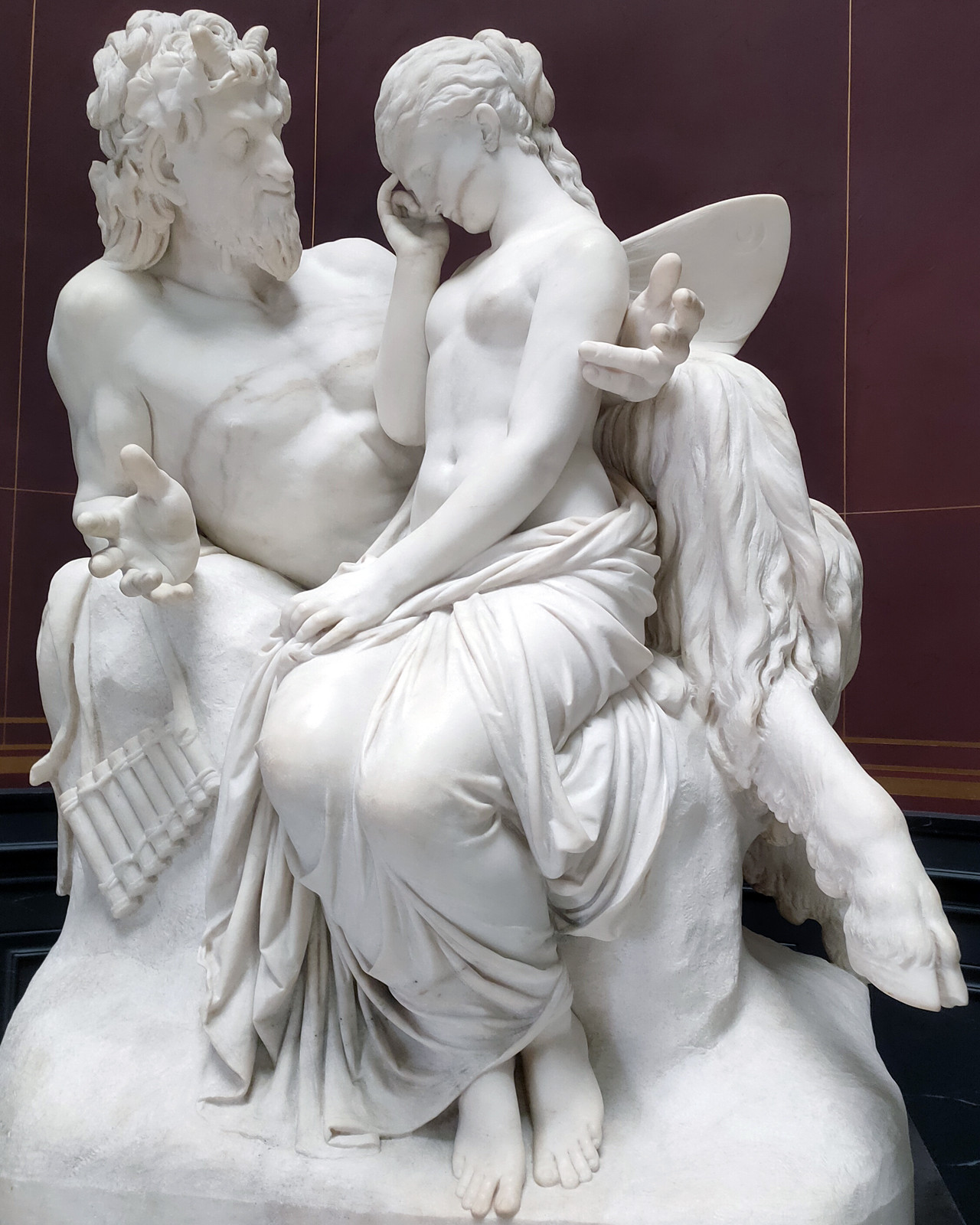
In the meantime, the Bode-Museum, located at the northern tip of the island, is well worth a visit: its majestic rooms house sublime European sculptures, from Donatello to Canova, as well as an exceptional Byzantine and numismatic collection.
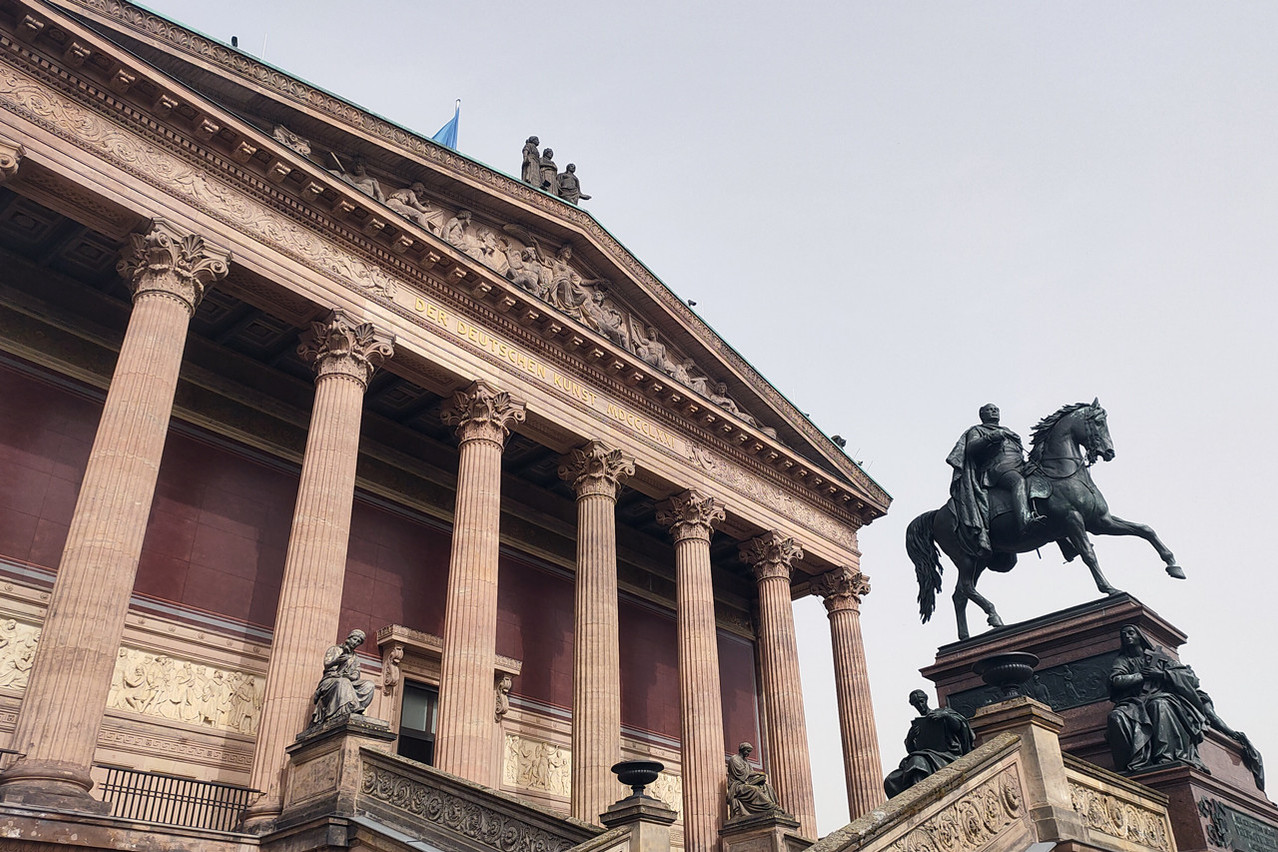
The Neues Museum, renovated by David Chipperfield, captivates visitors with its blend of war relics and contemporary architecture. It features the famous head of Nefertiti, the undisputed star of the show. The Alte Nationalgalerie, with its Greek temple look, brings together the great names of Romanticism and Impressionism, from Caspar David Friedrich to Monet and Rodin.
Finally, the Altes Museum, the first building on the island, impresses with its large domed rotunda, ringed with Greek statues: a place that literally takes your breath away.
Charlottenburg Castle
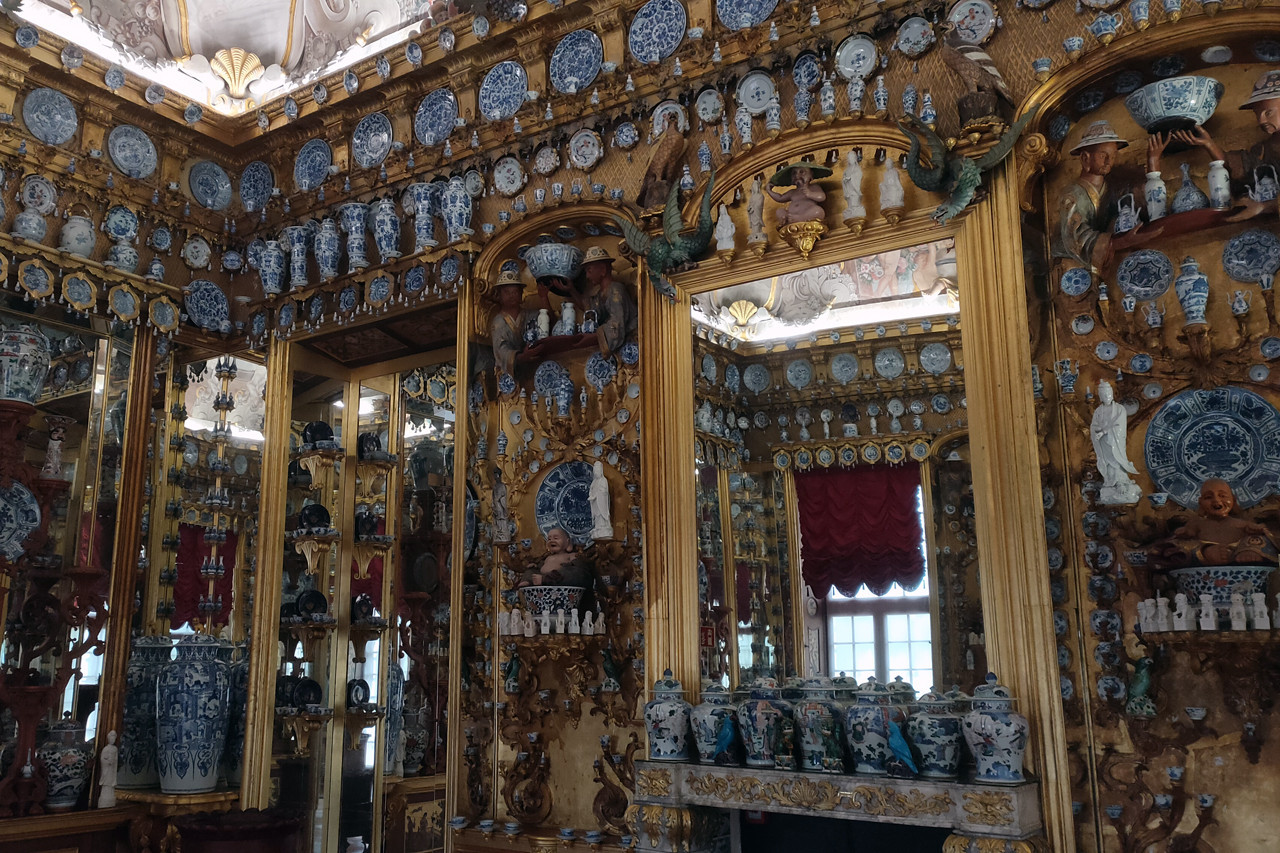
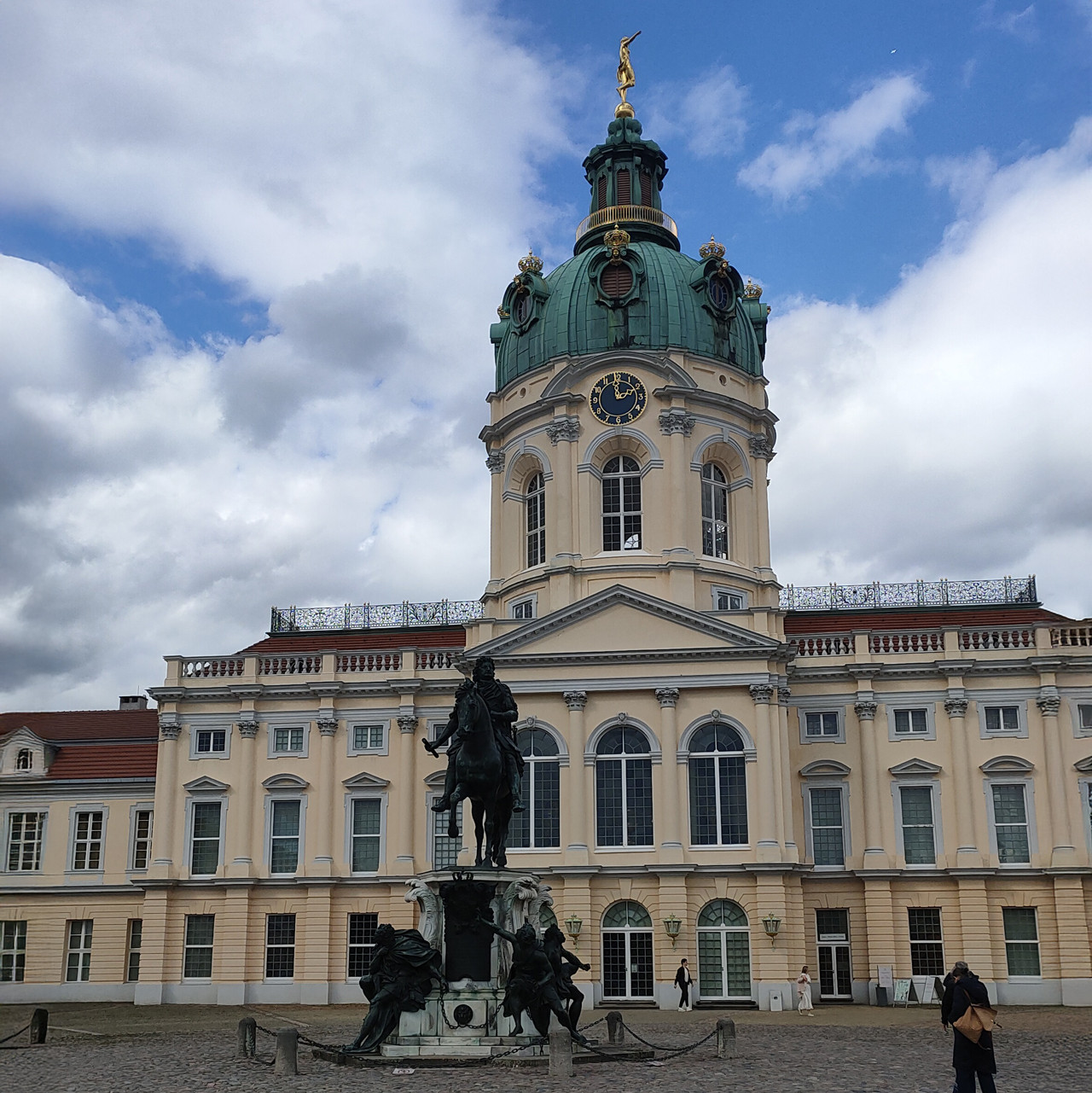
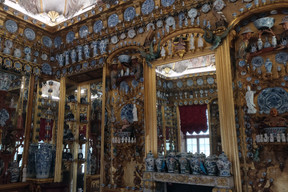
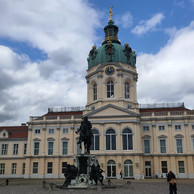
Built at the end of the 17th century for Queen Sophie-Charlotte, wife of Frederick the Ist of Prussia, Charlottenburg Palace is the largest and most sumptuous of Berlin’s former royal palaces. With its old baroque palace, new wing and formal gardens, it is the epitome of Prussian grandeur. Largely destroyed during the Second World War, it has been patiently restored to its original glory.
Inside, we discover an ensemble of unprecedented wealth: state rooms, period furniture, rare porcelain, musical instruments, crystal chandeliers and master paintings illustrate the changing tastes of the Hohenzollerns over the centuries. The Porcelain Cabinet, the Royal Chapel and the bedroom of Frederick Ier are among the wonders of the palace.
Each faithfully reconstructed room tells the story of an era—from Baroque to Neoclassical—while the gardens offer a peaceful stroll among statues, ponds and pavilions. A majestic and harmonious place, where Berlin reveals its most regal side.
New Palace (Potsdam)
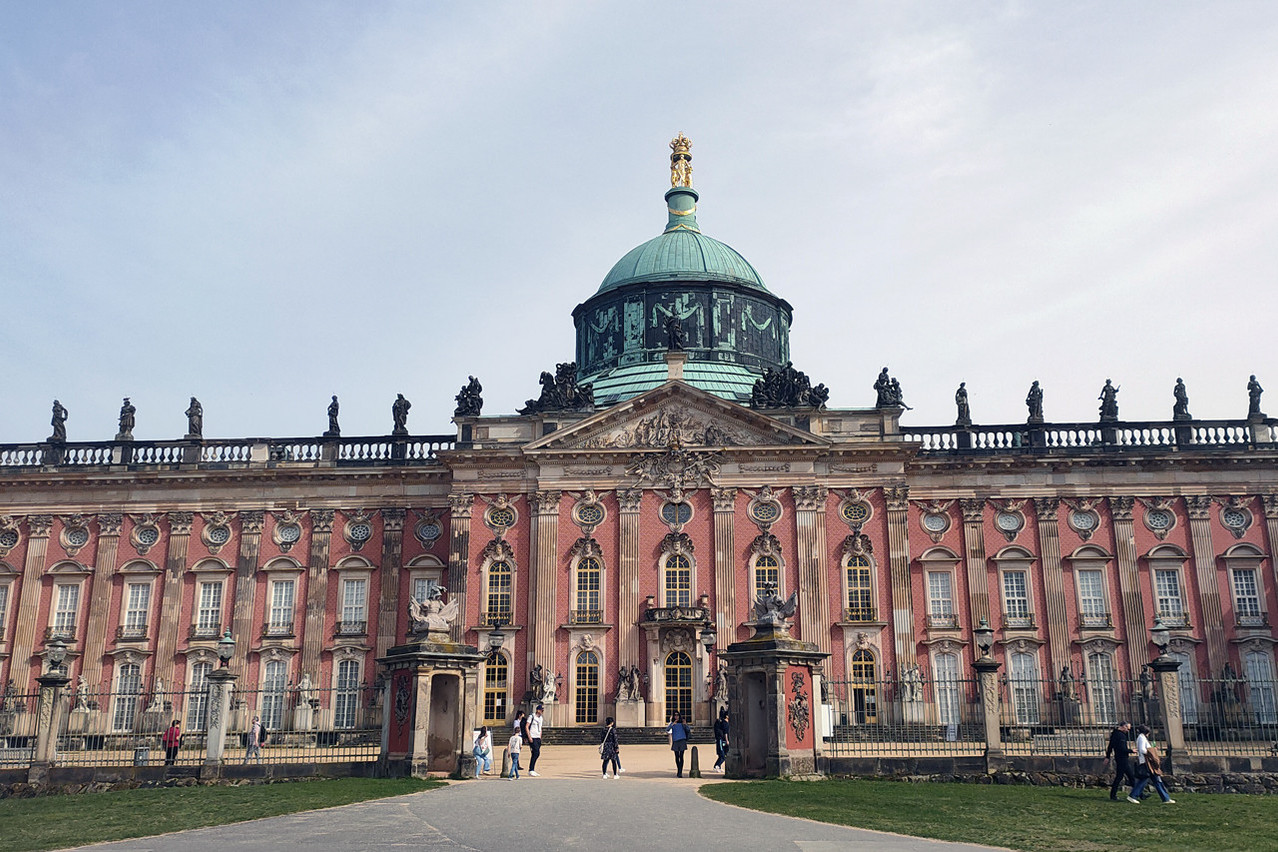
The gardens and their many pavilions are just as much worth a visit as the palaces, less than an hour from Berlin. (Photo: Émilio Naud)
At the western end of Sans-Souci Park, the New Palace emerges in all its majesty: a monumental building topped by a spectacular dome, erected by Frederick the Great after the Seven Years’ War to prove Prussia’s undiminished power. Built to impress foreign visitors, it stands in stark contrast to the intimacy of the small palace next door.
Within, everything exudes the sumptuous 18th century: richly decorated galleries, drawing rooms with painted ceilings, sumptuous furniture and masterpieces of craftsmanship returned to their original settings. The recently restored Lower Princely Apartment is a jewel of elegance and refinement, while the famous Grotto, lined with shells and precious stones, fascinates with its reflections and almost mystical atmosphere.
Don’t miss the Palace Theatre, a masterpiece of Federican rococo, all red and gold adorned with sculpted palm trees and trophies of musical instruments. Listed as one of the finest Baroque theatres in Europe, it reflects the king’s passion for the arts and stagecraft.
The whole is part of a grandiose landscaped ensemble, linking the New Palace to the Château de Sans-Souci via a royal avenue lined with statues and ponds. A word of advice: book your visit, crowds are high, especially at weekends and on public holidays.
Urban Nation
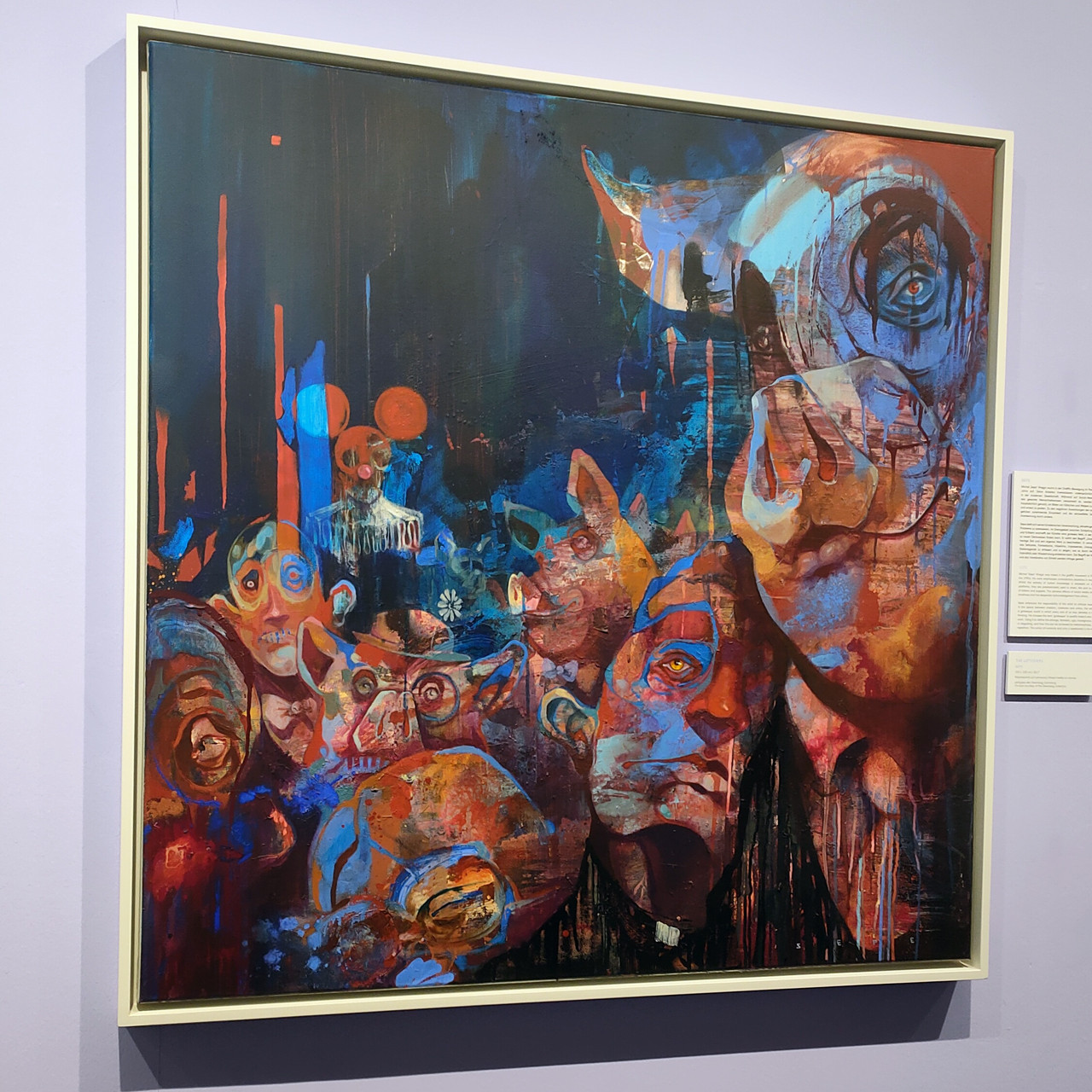
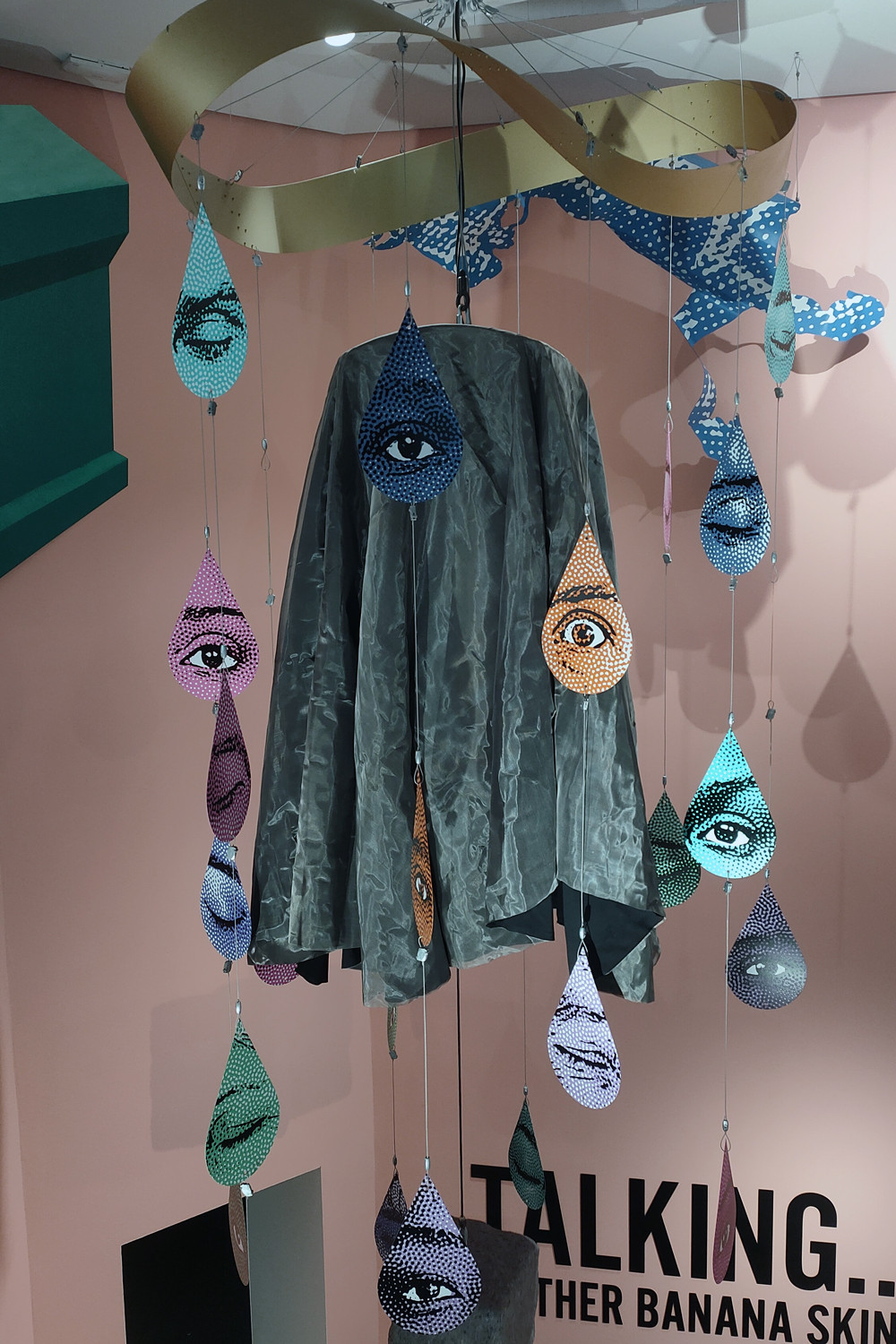
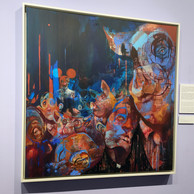
Located on Bülowstraße, far from the tourist centre, Urban Nation is one of the most refreshing places in Berlin. Entirely free of charge, this museum dedicated to contemporary urban art celebrates creativity, diversity and dialogue between artists and residents. Born in 2013 from an initiative by the Berliner Leben Foundation, the venue bridges the gap between the huge murals scattered across the city and the more intimate art of the galleries.
The colourful, modern building perfectly reflects the spirit of the movement: open, interactive and ephemeral. On display are works created especially for the museum, installations, monumental graffiti, models and videos tracing the history of muralism and street art worldwide. The exhibitions change regularly, but the tone remains the same: connect, create, share.
Beyond the museum, the whole neighbourhood is part of the project: the surrounding facades are covered in paintings by international artists. An immersive and joyful experience, part gallery, part manifesto, part social laboratory, reminding us why Berlin remains Europe’s capital of artistic freedom.
Berliner Philharmoniker
A modernist masterpiece by Hans Scharoun, the Berlin Philharmonic is much more than a concert hall. Its golden, tent-like roof and exceptional acoustics make it one of the world’s leading classical music venues.
In December, the season features: Jordi Savall conducting works by Rameau, Gluck and Mozart; Raphaël Pichon conducting Bach’s Mass in B minor with the Rias Kammerchor and Andris Nelsons offering a programme mixing Dupré, Dvořák and Shostakovich. Three worlds, three atmospheres.
For the curious, guided tours will reveal the secrets of the building: its innovative architecture, its circular acoustics and its history. A place where music, form and light vibrate in unison.
But the Philharmonie is also an experience open to all. Every Wednesday at 1 p.m. between September and June, the foyer is transformed into a concert hall for a free concert: 45 minutes of chamber or piano music performed by the orchestra’s musicians and their guests. An excellent initiative; all you need to do is arrive early, as places go fast.