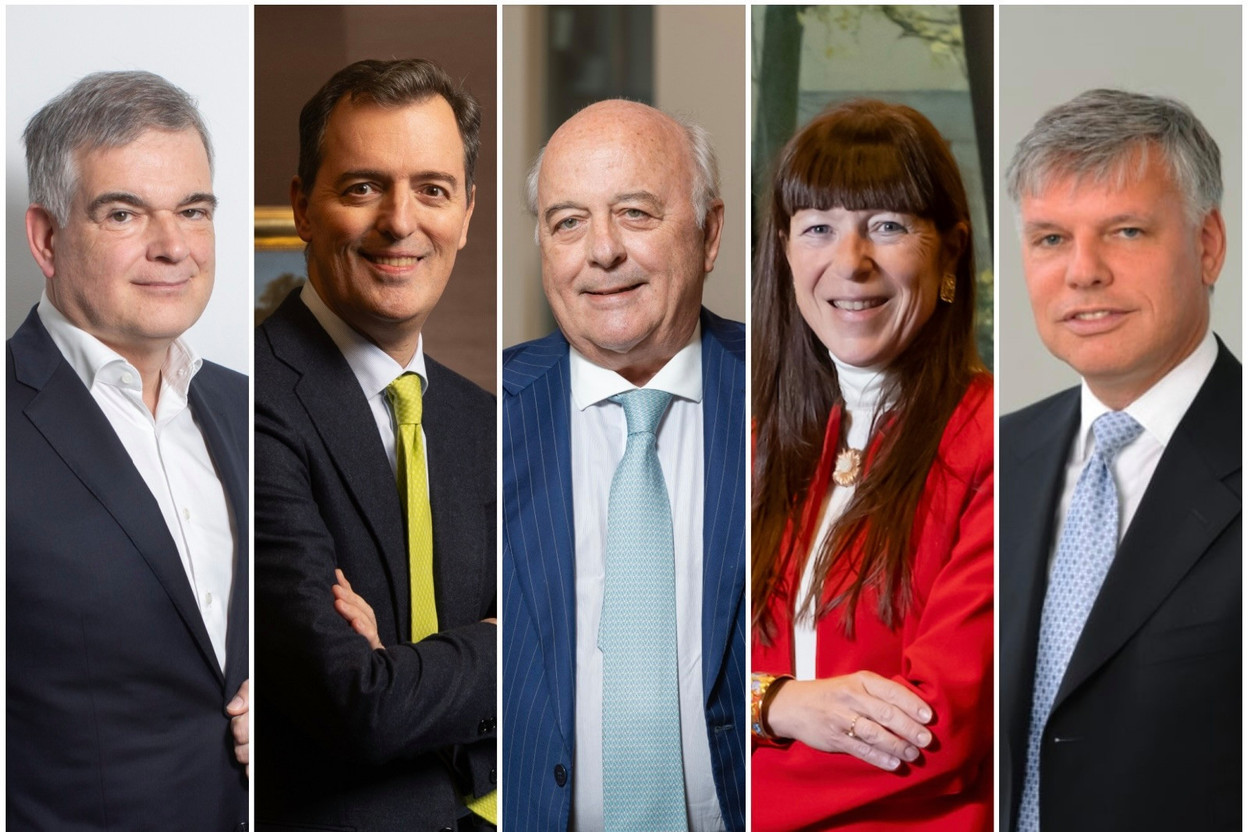
“The return on equity in the fourth quarter of 2024 for US banks was 10.5%. In the European Union, for significant institutions, it was 9.5%, and 6.9% for less significant institutions... American banks obviously benefit from more developed capital markets, higher interest rates and a large domestic scale. European banks still suffer from structural problems such as overcapacity, fragmentation and lower revenues,” said CSSF director general 
In his speech, Marx explained that the profitability of European banks lags behind that of US banks, but that the gap is narrowing. Luxembourg banks have profitability indicators above the eurozone average, with an average ROE of 10.3% and a cost/income ratio of 46.7% in the first quarter of 2025. The causes of losses in some banks in Luxembourg include their small size (hence lack of economies of scale), their status as a new bank, their role as a service provider for a group or their massive technological investments.
Regulation and supervision have improved considerably since the 2008 crisis, strengthening resilience through stricter capital and liquidity requirements. Marx pointed out that supervisors are focussing on long-term risk-adjusted profitability. The cost of regulation remains a recurring theme, prompting calls for simplification and principles-based rules, rather than complex layers of regulation.
Between threats and resilience
Banks are facing increasing competition from fintechs and big tech, which requires investment in digital transformation, IT infrastructure, but also cybersecurity, he said.
Among the key external threats: geopolitical, cyber and climate risks. Despite these challenges, European banks are more resilient than they were ten years ago. However, Marx said that further financial integration, including the completion of the banking union and progress on the capital markets union (CMU), is crucial for the future.
“European banks have distributed around 53% of their profits, partly through share buybacks. Good governance is essential, and risk-aligned incentives are crucial for sustainable profitability,” added the event’s keynote speaker. “Deferred bonuses, clawbacks and modest provisions are important tools to discourage short-term risk-taking. The ECB’s latest guidelines emphasise the need to link remuneration to risk.”
“If the US deregulates, could the EU be less competitive? The Economist wrote in this week’s edition that president Trump seems more concerned with profiting personally from the gamification of markets than protecting investors through regulation. I won’t comment, I’ll leave the judgement to The Economist, but I firmly believe that regulation is good, even if not all regulation is effective,” Marx also said. “Today’s legislators need to do a better job of evaluating, modifying or replacing regulations that are not achieving their objectives... We are superimposing one regulation on top of another. That’s no good. It would be better to abolish it... or have the courage to replace it. There is a lot of mistrust between member states, which is also why we want to regulate everything down to the last detail.”
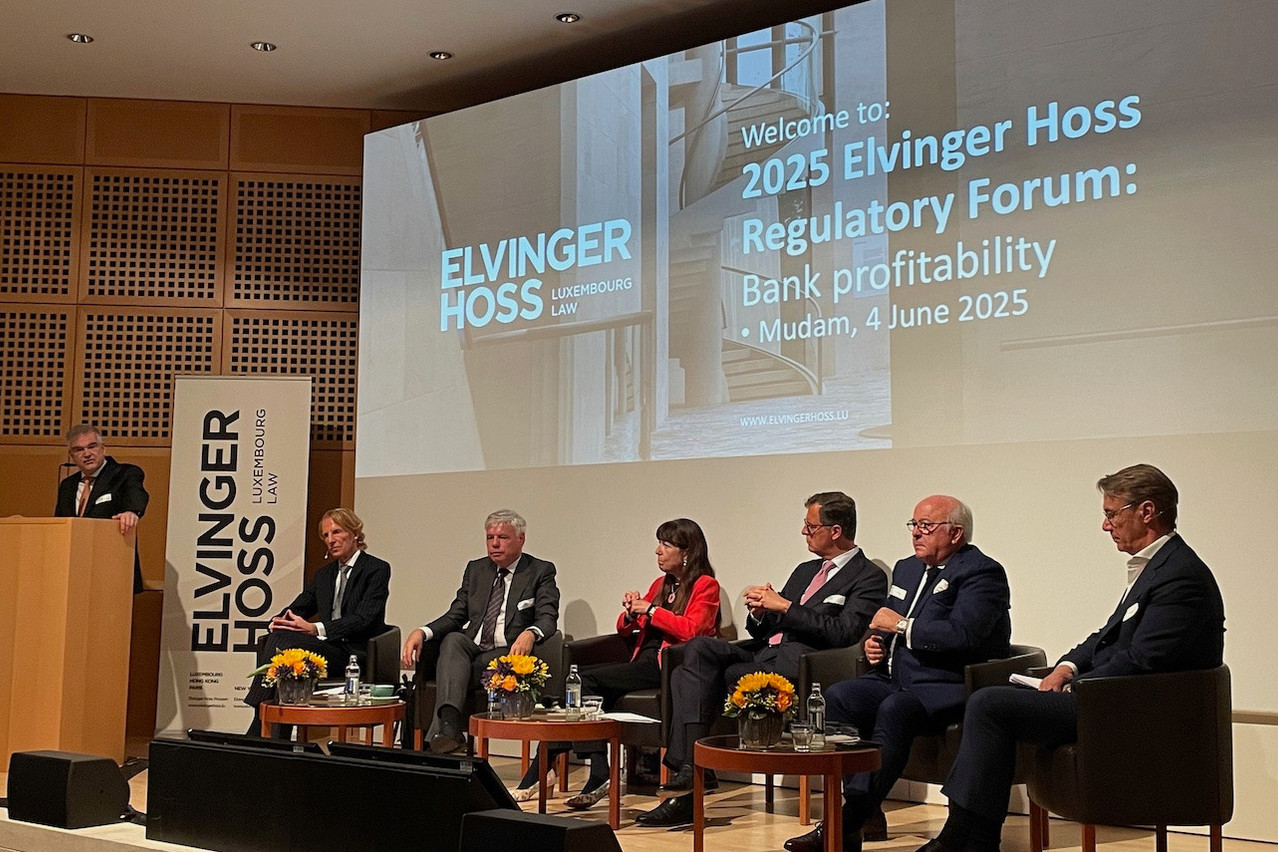
The forum was conceived by the lawyers at Elvinger Hoss as a way of igniting sparks by confronting interlocutors from different worlds.
A multi-faceted issue for Françoise Thoma
Spuerkeess CEO 
Hugo Bänziger, former member of the management board at Deutsche Bank AG, former Eurex chairman and former partner at Lombard Odier & Cie, was more radical--and more critical. “Profitability is a function of what the customer is prepared to pay, and our European customers are not prepared to pay more. End of story.”
“I run charities in the Philippines, for students from the slums. I no longer use the banking system to transfer my money because it’s unreliable, slow and you never know when it will arrive. I use payPal,” said Bänziger. “The fintechs are there because they have understood that there is a demand for something that the banks are not doing.(...) Our governance is not at the level... I meet a lot of people who sit on bank boards, and sometimes I wonder how they got there.”
“The problem with fintechs is that, in most cases, their shareholders are not traditional banks. They are private equity funds or private investors. Then, the regulatory problem is that, when the regulators ask for a letter of comfort, they have to call in capital, but that becomes impossible. And private equity funds technically can’t issue a comfort letter,” Paypal (Europe) chairman 
This article was originally published in French.