The European tech sector requires increased innovation financing to maintain its global competitiveness, according to a report published by the European Investment Bank on Wednesday 24 July 2024. The report, titled “The scale-up gap: financial market constraints holding back innovative firms in the European Union”, stressed the need for removing investment barriers and implementing targeted public interventions to channel European savings into this critical market segment.
The EIB study found that while scale-up companies in Europe have expanded with support from public organisations, including the EIB Group, they continue to face significant financing barriers. Addressing these barriers is crucial for the EU to remain at the technological forefront, particularly in green technology, artificial intelligence and quantum computing. The report concluded that the limited size and depth of EU capital markets hinder the ability of innovative companies to raise capital, especially during the scale-up phase.
The report recommended deepening Europe’s capital markets, particularly the venture-capital market, and highlighted the role of the EIB Group in supporting innovative companies and scaling up key technologies. The European Investment Fund (EIF), part of the EIB Group, acts as a lead investor in the venture-capital market and mobilises private investment, while the EIB is a dominant player in the venture-debt market.
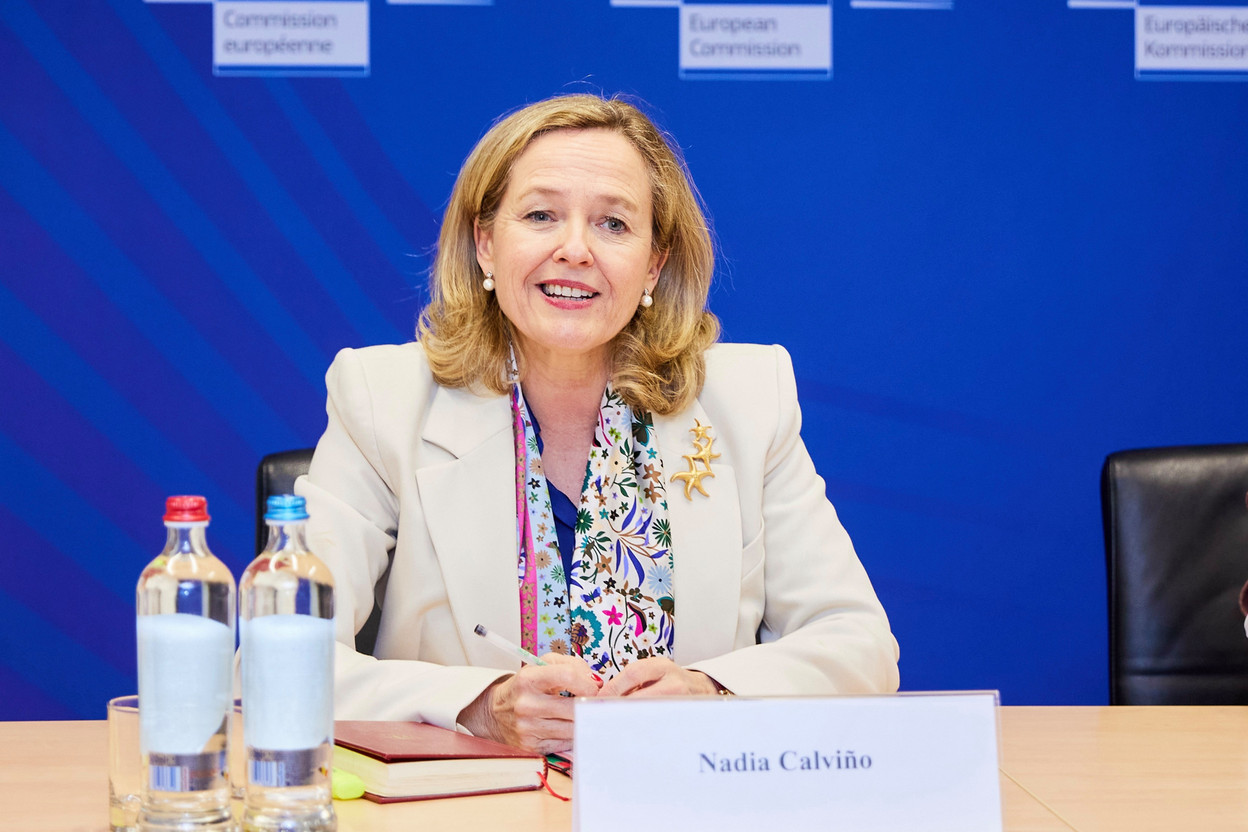
EIB president 
Scale-ups, defined as innovative, high-growth firms at an intermediate stage of development, have the potential to become international leaders in their sectors. However, the report highlighted that European venture capital investment is approximately six times less than in the United States, resulting in slower capital accumulation. After ten years of operation, European scale-ups raise 50% less capital than their Silicon Valley counterparts.
The reliance of European scale-ups on foreign investors was noted, with most lead investors in funding rounds coming from outside the EU. This often results in ownership changes where scale-ups are acquired by foreign companies or listed abroad, draining entrepreneurial talent from Europe and negatively impacting the prospects for the next generation of European startups.
In the report, Debora Revoltella, director of the EIB economics department, stressed the importance of addressing growth constraints for innovative companies to ensure Europe remains at the forefront of technological advancements and sustains its global competitiveness.
The report called for the completion of the European capital markets union and financial integration. It also recommended that the public sector in Europe catalyse private investment, provide support at earlier stages of technological development, and offer diversified sources of funding. These steps were also advocated by European Commission president Ursula von der Leyen on 18 July when she secured a second five-year term, highlighted EIB in a press statement.
The new commission, in collaboration with the EIB, is expected to propose measures to facilitate the financing of fast-growing companies by commercial banks, investors and venture capital firms. The report identified private pension funds and insurance companies as a key source of investment for innovative companies and the capital market. Mobilising national private savings by encouraging these investors to participate while ensuring financial soundness was recommended. Additionally, the report called for coordinated EU and national policies within a broader industrial strategy and highlighted the need to address labour shortages.