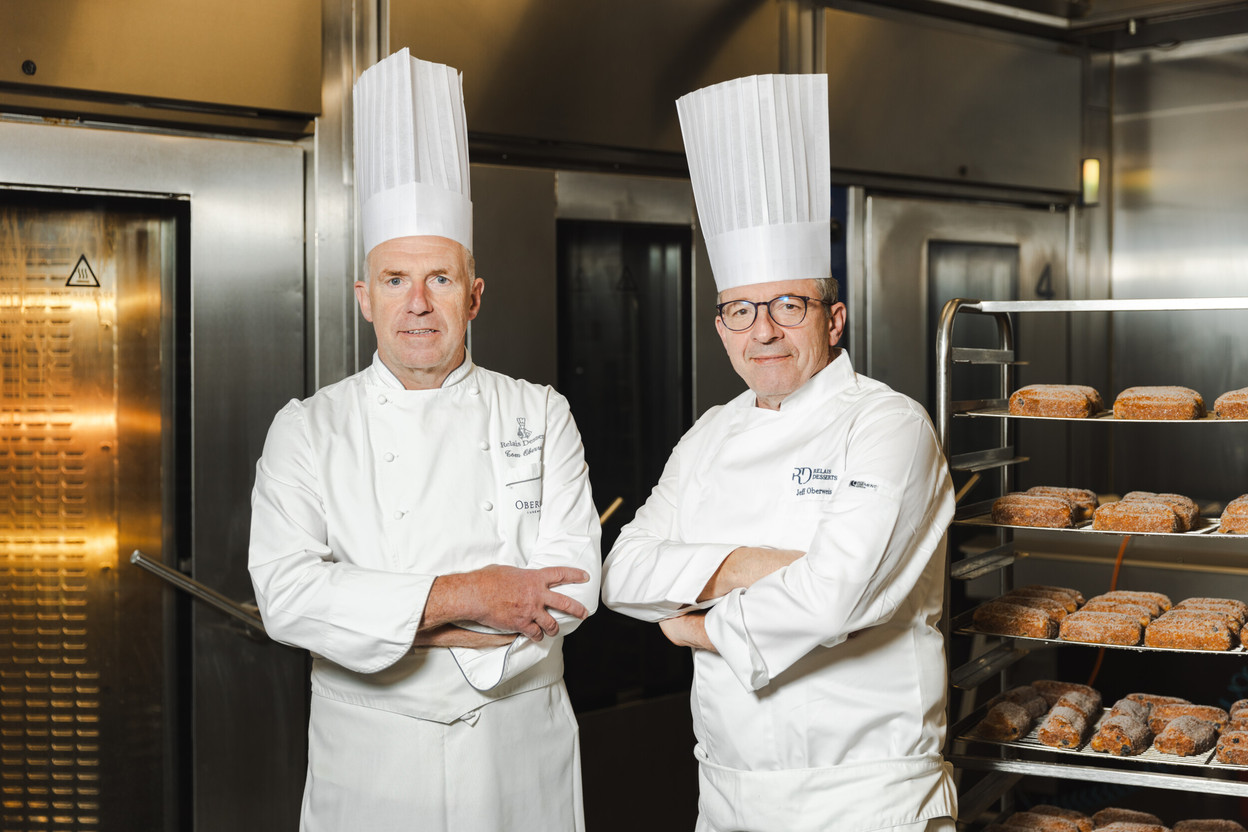
Founded by Joseph Moitzheim, the company began as a firm specialising in cutlery and medical equipment, before gradually establishing itself as one of the pioneers of the optical industry in Luxembourg. In 1933, it moved to 8 Rue Philippe II, where it set up one of the country’s first workshops dedicated to the assembly of bespoke spectacles, marking a turning point in what was then an emerging sector. After the Second World War, the business shifted its focus entirely towards modern optics under the leadership of Jeff Moitzheim, with the introduction of new technologies and new brands.
In 1975, Jacques Moitzheim joined the company as a representative of the fourth generation, restructuring the business to focus on optics and optometry, whilst initiating a nationwide expansion. Despite a fire in 1989, the company continued to grow, opening new shops and gradually modernising its equipment and services. Today, Optique Moitzheim draws on nearly 130 years of history, with three strategically located shops and a fourth generation still actively involved in the family business, now joined by Pablo and Elena.
In your view, what is the main lesson you have learnt from your experience of succession planning and engaging the next generation within your company?
Elena and Pablo Moitzheim. – “The main lesson we have learnt from our experience is that our business must constantly reinvent itself as time goes on. Our ability to adapt has been a key factor in our success in this ever-changing landscape. Thanks to the new generation, we have been able to develop new concepts, such as our bespoke frames service, which are made entirely by hand in our workshop.
Growing up in the world of optometry has shaped our passion for this field. Seeing family members devote their time to building a strong business inspired the next generation from a very young age. This passion has become a calling, and taking over the family business together has become a natural choice.
How do you manage to balance the family’s expectations with the company’s economic and strategic requirements?
“At Optique Moitzheim, the issue of balancing family expectations and economic imperatives has never been seen as a conflict. We are a family-run business, but our governance is based, above all, on a shared entrepreneurial vision and a clear understanding of the responsibilities involved in ensuring the long-term viability of a business.
Every family member involved in the management of the business is fully aware that the company’s long-term sustainability takes precedence over short-term individual interests. This shared culture makes it easier to strike a balance: strategic decisions are taken with due regard for the family’s history and values, whilst always taking into account economic viability, market trends and our customers’ expectations.
Which decisions or developments relating to governance or the professionalisation of management have had the most far-reaching impact on your company?
“One of the most significant changes has been the clarification of roles within the management team and a more formal division of responsibilities. This decision has enabled us to become more efficient and to free up time to focus on strategic rather than operational issues.
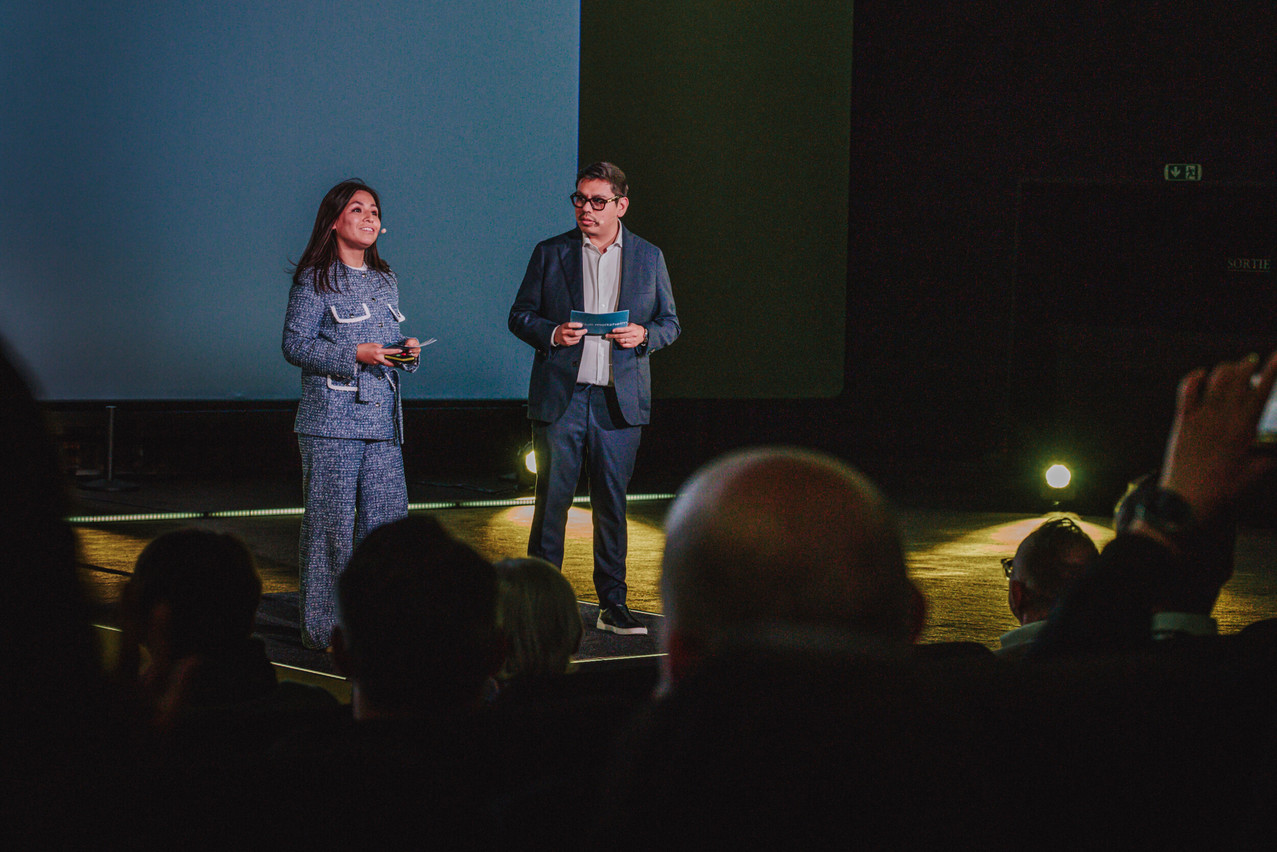
Elena Moitzheim and Pablo Moitzheim (Optique Moitzheim). (Photo: Julian Pierrot/Paperjam)
The move towards co-leadership also marks a turning point: sharing governance requires constant alignment, but strengthens the complementary nature and robustness of decisions.
How does your company manage the tension between honouring its heritage and the need to innovate or transform itself in order to remain competitive?
“We have always regarded innovation as essential to our long-term survival. In recent years, we have accelerated our transformation – particularly our digital transformation – to keep pace with our customers’ expectations. The line is clear: innovation, yes, but without compromising on our standards of quality, personalised advice and our premium positioning. Our heritage guides our choices; it does not hold us back.
Which strategies have been most effective in developing your range of products or services whilst remaining true to the company’s DNA?
“To develop our product range, we are constantly on the lookout: trade fairs, market analyses and international exchanges inform our decisions. The major turning point was fully embracing the fashion aspect of our business by incorporating more daring brands. This positioning has sometimes challenged established habits, but it has enhanced our appeal.
At what point did you feel it was necessary to accelerate the company’s growth?
“We realised that remaining the same size was becoming risky when several of our independent suppliers were taken over by large groups. The conditions imposed on independent opticians have become more stringent. To safeguard our position and our bargaining power, we had to strengthen our structure. This phase taught us the importance of anticipating change rather than simply reacting to it.
How can a family business attract and retain key talent in an increasingly competitive environment?
“A family-run business appeals because of its personal touch and stability. Working for an independent company with a clear market position enables talented individuals to identify with a strong, consistent and exacting brand. This attracts candidates who prioritise quality over quantity.
Unlike large corporations driven by quarterly targets, a family business takes a long-term view. This stability is reassuring and enables the creation of sustainable careers.
How has increased international competition in your domestic market changed your positioning, organisation or strategy?
“Faced with the arrival of international players, we have built on what makes us strong: impeccable service, bespoke advice and a clear commitment to the high-end market. We haven’t changed course, but we have reinforced our high standards. Our size allows us great flexibility and a personal touch that large chains cannot always offer.”
This article was written for the June 2026 issue of Paperjam magazine, published on 20 May. The content is produced exclusively for the magazine. It is published on the website to contribute to Paperjam’s comprehensive archive. Click on this link to subscribe to the magazine.
Is your company a member of the Paperjam Club? You can apply for a subscription in your own name. Please let us know via club@paperjam.lu