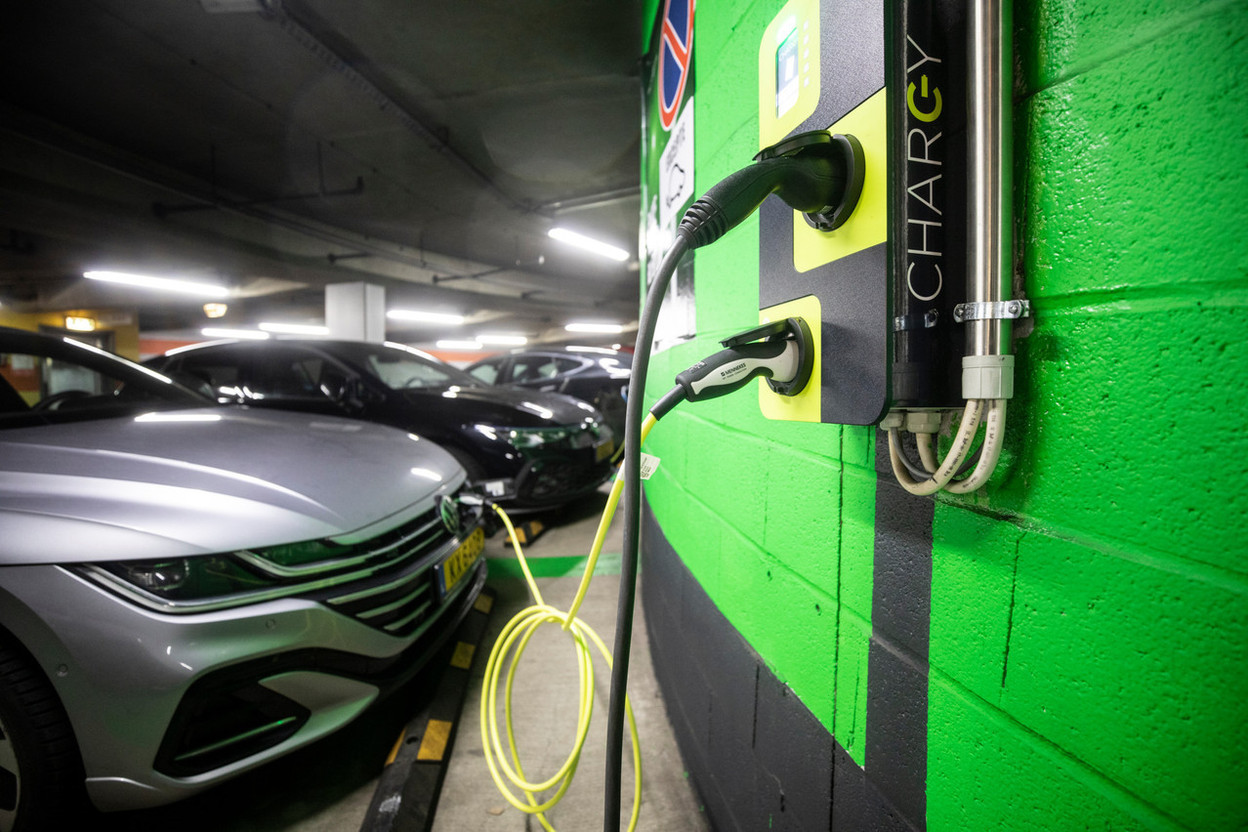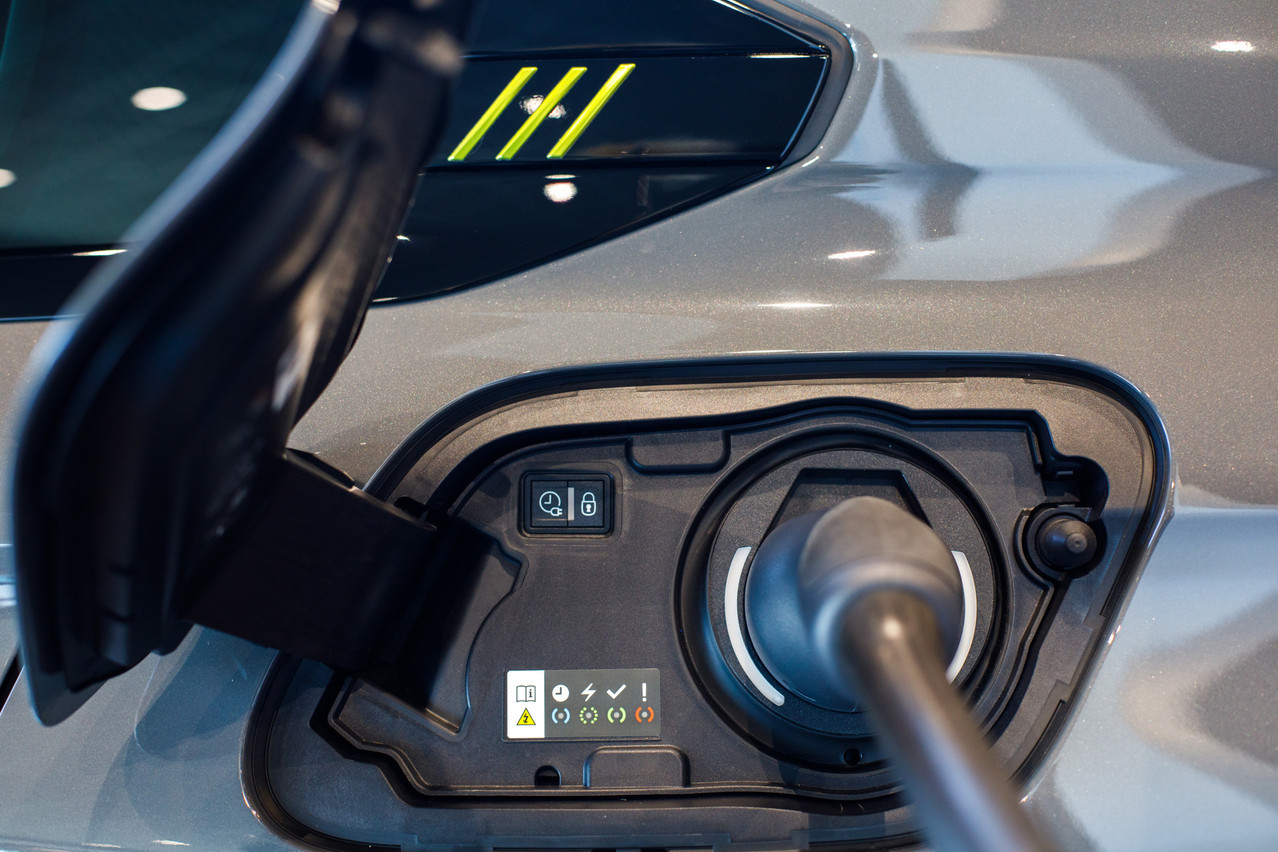
According to the Idea Foundation, which in its working paper number 34 looked at the electromobility market in Luxembourg, the objective engraved in the National Energy Climate Plan (PNEC) of achieving a 49% share of electrified vehicles in the Luxembourg car fleet by 2030 will not be achieved. Far from it. According to the study conducted by 
The uncertain returns from electrification incentives
And this despite a favourable context: a young fleet, a high standard of living and a high proportion of company vehicles (22% of the fleet), which are regularly renewed. And—above all—major subsidies. These include a purchase allowance of up to €6,000 since October 2024, assistance with the installation of charging points (50% of the cost, up to a maximum of €750) and the very recent €1,500 allowance for the purchase of second-hand electric vehicles, “the main incentives for encouraging this transition”. These “crucial” incentives make electric vehicles slightly cheaper than combustion models. "With the current incentives, electric vehicles are financially advantageous in 12 out of 15 cases, with an average gain of 1,255 euros over six years,” the report states.
Effective but costly incentives. The return on public funds per tonne of CO2 varies between €393 and €923, “an amount significantly higher than the price of carbon on the European market”. Currently, Luxembourg's carbon tax is €40 per tonne of CO2 and the European Emissions Trading Scheme (ETS) price €75 per tonne.
The carrot and the stick
Faced with an unattainable target with the current trajectory, the author recommends adopting complementary measures, combining incentives through social leasing and more restrictive tools, such as increased ecological taxation on internal combustion vehicles. The carrot-and-stick strategy acknowledges the inadequacy of subsidies alone, the government's credo for which incentives must prevail over bans.
Measures that must be calibrated to preserve social acceptability and avoid regressive effects on the most modest households.

Frédéric Meys advocates the introduction of social leasing, targeted at low-income households, in order to remove the brake on initial investment. This would enable an electric car to be leased at a very low monthly rate, often without any initial outlay. On this point, the government has beaten the economist to the punch, having introduced such a system in the draft budget. Frédéric Meys also advocates immediate deduction of purchase incentives, rather than deferred repayment, and the launch of information campaigns on the total cost of ownership (TCO) and the real environmental benefits of electric vehicles.
So much for the carrot aspect. As for the stick, he proposes the creation of low-emission zones or urban tolls modulated according to engine type and the gradual increase in ecological taxation on combustion vehicles (registration tax known as the “ecological malus" and increased modulation of the annual road tax, "a tax that currently offers little differentiation with an average difference of €50 per year between combustion and electric vehicles and which does not influence consumer choice").
"Measures that need to be calibrated to preserve social acceptability and avoid regressive effects on the most modest households,” concedes the economist.