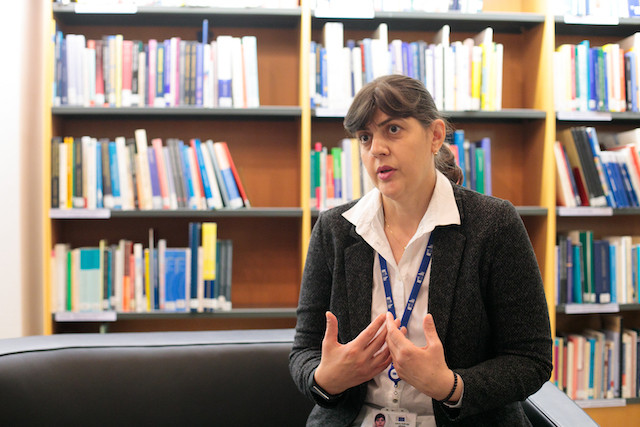
From that date the office will begin its remit of protecting EU funds from corruption and fraud under the leadership of chief prosecutor Laura Kövesi.
“It will observe the implementation of NextGenerationEU with an eagle eye, to make sure funds will be fully used to help our economies recover from the crisis,” said Didier Reynders, European commissioner for justice, in a statement issued on Wednesday.
Established by Regulation (EU) 2017/1939 of 12 October 2017 and funded by the EU budget, the EPPO is the first supranational public prosecution office in charge of criminal investigations and prosecutions. In total, 22 EU member states participate in the cooperation (Denmark, Sweden, Ireland, Hungary and Poland declined to join), with one European Prosecutor per each participating member state, plus other staff. In addition, European Delegated Prosecutors located in the member states form part of the independent body.
Last year, Luxembourg appointed Gabriel Seixas to the body’s college of prosecutors.
EPPO estimates to be dealing with 3,000 fraud cases when it becomes fully operational, according to Seixas. The team of currently 130 staff--including analysts, financial investigators, legal advisors and others--is set to grow to 240 in 2022.