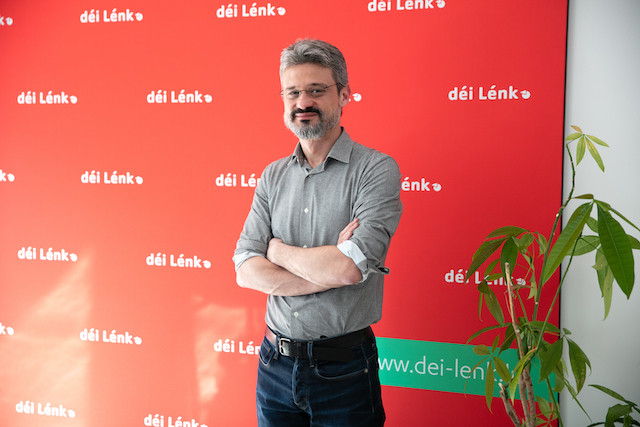
You introduced a motion in parliament in March to create a legal framework for community media. Why do you think this is needed?
It’s necessary because community media are in a precarious situation. You can take the old Luxembourg approach to give them an ad hoc subsidy from one ministry or another. The media ministry has now proposed a convention with Radio Ara for five years, but this isn’t serious. When it expires, it needs to be renegotiated, maybe with a new government. There’s no security. That’s why you need a law that provides a framework, like it exists in many other countries. It’s about the fact that these media exist, whether you want to protect them and allow them to flourish, setting clear rules instead of this piecemeal approach.
What do you see as the possible next steps?
I’ve considered proposing a draft law, but we’ve had bad experiences with law proposals. You can submit them and then they’re ignored. It’s the right moment for a motion, which would mean that the government has to submit a bill.
How do you assess the support by the coalition parties, which you’ll need to get this passed?
The DP manages the media ministry poorly. The problem in the coalition is that everyone has their department, and they don’t want to interfere with each other. But I think the LSAP and déi Gréng have understood that you cannot just let the DP carry on, because you risk that these media will disappear or will always be in an unstable situation. I really hope for better cooperation.
As an opposition party, déi Lénk frequently submits draft laws or motions to kick off a debate. What are some of the things you’re proud of having achieved?
When it comes to housing, we’ve done a lot. Of course, the initiatives and draft laws haven’t been adopted so far, but they also haven’t been shot down. You can exert pressure, which I think has an effect. We managed that rents cannot be increased during the crisis. We demanded this until December this year, which was followed by the government saying it would be until mid-year. It’s a partial victory. Otherwise maybe nothing would have happened.
What is it like leaving the chamber during the pandemic?
It’s strange to leave right in the middle. But when you’ve been doing something for a long time and enjoy it, it’s always a strange feeling. It’s healthy to take a break though. It’s not a farewell. I will stay politically active and will have more time for the party itself.
Do you have any advice for your successor?
Not to let yourself be impressed by the jargon of politicians. It’s important to know your worth and not to be ashamed to ask questions that could appear naïve. If you’ve been in parliament for a long time, you start seeing things as normal that really aren’t normal. That’s why it’s good to leave from time to time. There’s cynicism to it. When you’re new, you question why things are being done the way they are.
A version of this article was first published in the May print edition of Delano. To subscribe, visit the Maison Moderne e-shop.