The EUIPO on 8 June marked World Anti-Counterfeiting Day with the launch of a new awareness campaign, saying counterfeit goods make up around 6.8% of EU imports annually, worth €121bn.
Nearly one in ten Europeans in a 2020 study said they had purchased counterfeit goods, Luxembourg ranked below EU average with 7% of people saying they had bought faked wares by mistake.
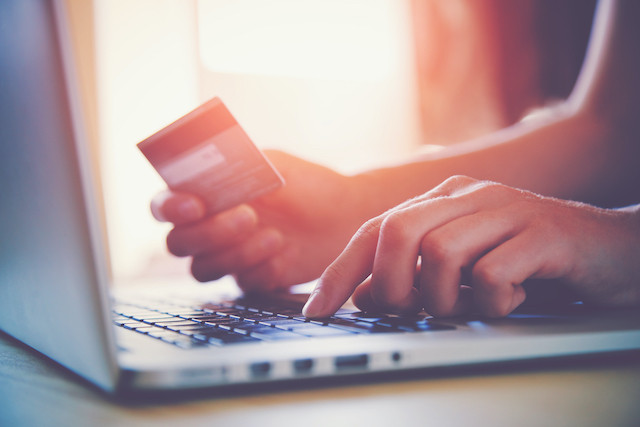
Online shopping is making it easier for fraudsters to sell their wares, EUIPO warned, saying that a third of EU citizens last year said they were unsure whether a product they purchased was an original or a fake.
The sale of fake pharmaceuticals poses a particular risk since the pandemic, EUIPO said.
“The covid-19 pandemic has put the problem of IP crime under a magnifying lens with the rise of counterfeit medicines and medical products that further threaten the health and safety of citizens,” said the EU office’s executive director Christian Archambeau in a statement.
“This is a long-standing issue, often interlinked with other types of illegal activities, which requires urgent robust, coordinated action and has recently been reinstated as one of the top ten EU priorities in the fight against organised crime.”
One in four EU small and medium-sized enterprises have claimed to have suffered intellectual property infringement, compared to 38.9% in Luxembourg.
Companies owning IP rights such as trade marks or patents reported loss of turnover (33%), damage to their reputation (27%) and loss of competitive edge (15%) due to infringement of their rights.