Artificial intelligence (AI) has become a priority for 79% of business leaders worldwide, according to KPMG’s Global CEO Outlook 2026, which surveyed 1,400 CEOs. In Luxembourg, it already accounts for 15% of investment budgets, which is two percentage points higher than the global average. However, only 30% of Luxembourg executives believe their company is making good progress with its roll-out, compared with 66% internationally.
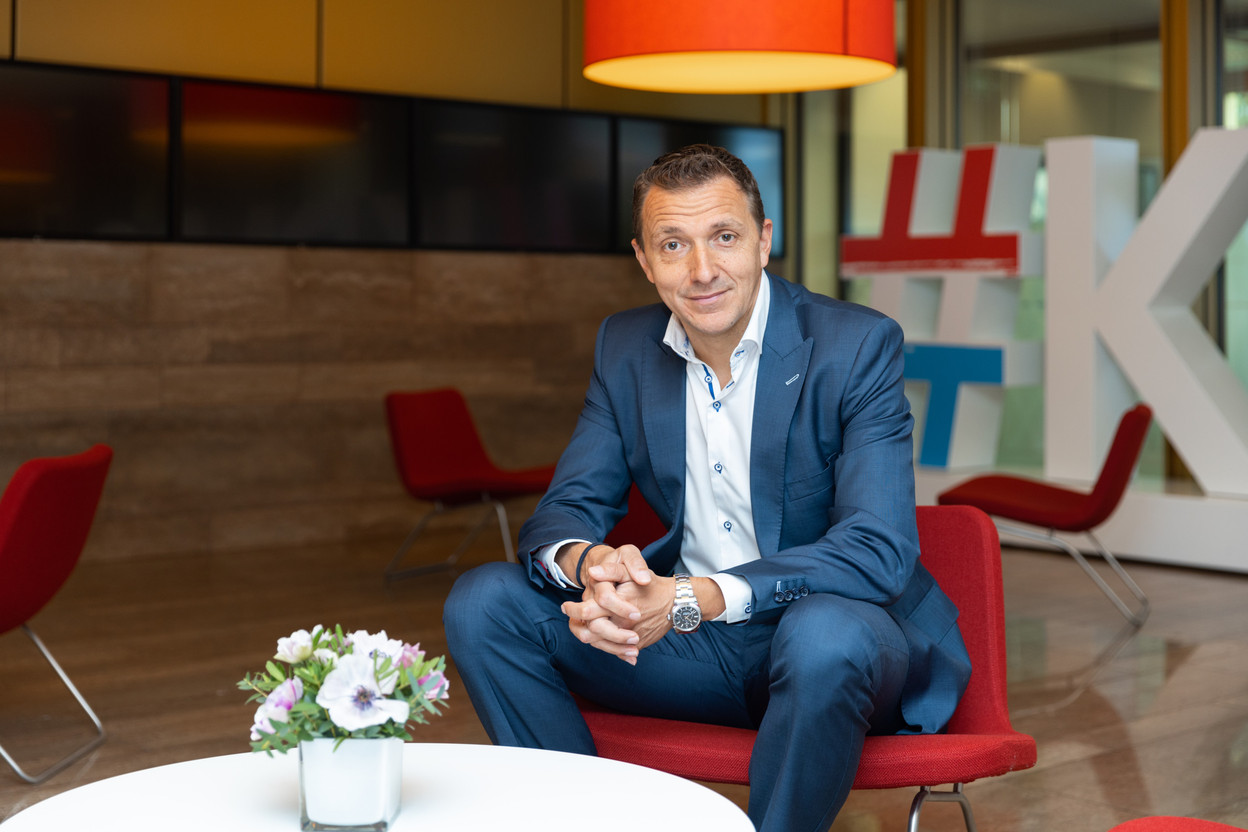
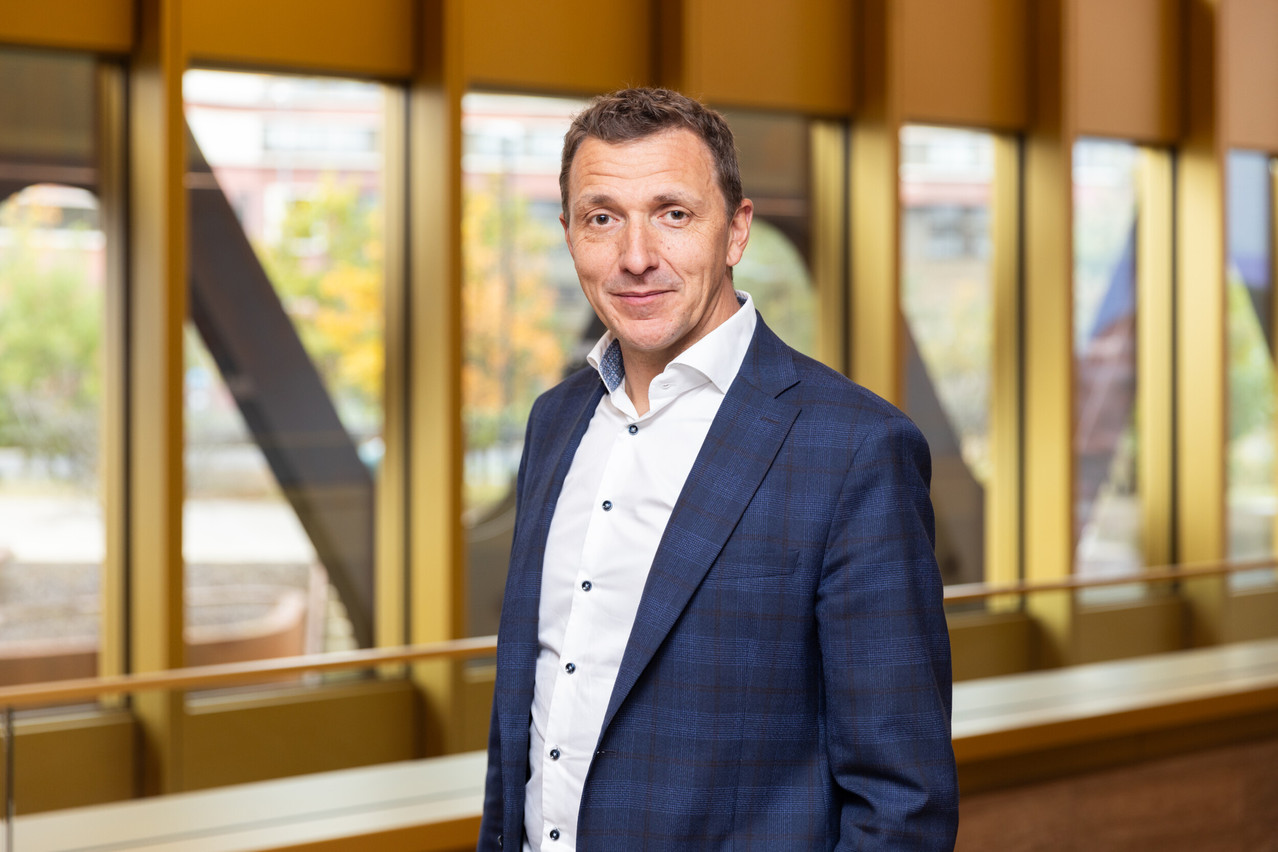
“What’s new, compared with last year, is that we’re no longer focusing on general technological investment, but we want to move on to implementing specific projects – in other words, to the execution stage,” explains 
Globally, 84% of business leaders say they are confident about the prospects for their own company, compared with 79 per cent in 2025. In Luxembourg, this figure stands at 75 per cent, nine percentage points below the international average. Nevertheless, confidence among Luxembourg CEOs has risen by more than 25% compared with the previous year, according to local findings released by KPMG.
“I’m not convinced that this is necessarily a resurgence of optimism, as that would be difficult to understand given their current circumstances, but rather a willingness or ability on the part of executives to take action on the things they can control. And to make investments where they believe they are most important,” insists the managing partner of the Big Four firm.
A different risk hierarchy in Luxembourg
Globally, confidence in the world economy has fallen from 68% to 65%, its lowest level since 2021. The ranking of risks reveals a difference between Luxembourg’s business leaders and their international counterparts. “Globally, the main concerns – unsurprisingly – are, first and foremost, cyber security and data security. The second-biggest concern is global economic uncertainty. These are followed by geopolitical stability, regulatory pressures and, finally, the integration of AI into operational models. In Luxembourg, what is distinctive is that the top concern is, in fact, the last point I have just mentioned.”
Luxembourg CEOs are more focused on execution, the operational implementation of AI and its clear integration into processes.

David Capocci sees this as a sign of maturity in the approach to technology. “Luxembourg CEOs are more focused on execution, the operational implementation of AI and its clear integration into processes. They are, in any case, ahead of the global trend.” Cybersecurity, regulatory pressures and geopolitical instability round off the main local concerns. But another risk is also emerging: resistance to AI from staff.
The scale of investment does not guarantee its effectiveness. In Luxembourg, companies allocate 15% of their investment budget to AI, compared with 13% globally, according to data presented by KPMG Luxembourg. “We are investing. However, it is important to qualify this by noting that, in fact, only 30% of Luxembourg CEOs believe they are progressing at the right pace or are ahead of the curve. As the saying goes, ‘learning as we go’ – they’re learning as they move forward. But there is still a realisation that we’re not necessarily progressing at the pace we’d like to.”
The difference lies in expectations regarding profitability. Globally, 71% of CEOs anticipate a return on investment from AI within one to three years. In Luxembourg, only 50% share this view, whilst 20% expect it to take three to five years.
In Luxembourg, 70% of CEOs regard data preparation and quality as the primary challenge in integrating AI. These are followed by ethical issues, the necessary technical skills and data sovereignty. Globally, ethical challenges are cited by 57% of executives, ahead of cybersecurity (52%), costs (51%) and data sovereignty (50%).
Only 60% [of CEOs] believe their organisation is ready to deploy AI responsibly. That seems like quite a lot already, doesn’t it?
Governance is another area of focus. In Luxembourg, 70% of executives are paying greater attention to this issue, compared with 59% globally. “It is not seen as a challenge, but rather as a focus area concerning governance and competence. Indeed, 70% are focusing on issues of autonomy and governance. As for the rest, only 60% consider their organisation to be ready to deploy AI responsibly. That seems like quite a lot already, doesn’t it?”
The managing partner also highlights a gap between technological ambitions and staff readiness. In Luxembourg, only 50% of CEOs believe their teams are ready, compared with 75% globally, according to figures presented during the interview.
AI does not mean the end of recruitment
One of the most surprising findings relates to employment. Despite investment in automation, nearly 90% of Luxembourg CEOs expect their workforce to grow. The trend is almost identical globally: 89% of executives expect staff numbers to rise over the next three years, generally by less than 5%. “What surprised me is that almost 90% of CEOs continue to expect their workforce to grow. Now, we’re not talking about a double-digit increase; I think we’re looking at an increase of between 0 and 5%. But we’re certainly not seeing any staff cuts.”
According to David Capocci, companies are primarily seeking to transform the skills they already have. “There are three aspects. Firstly, redesigning roles, career paths and the interaction between AI and staff. Then there is the reskilling of staff to adapt them to this new reality. And finally, we need to recruit candidates who possess the necessary technological skills.” This transformation also requires breaking down the traditional barriers between IT teams and other business functions.
Resistance from staff, however, remains an obstacle. Globally, 26% of CEOs regard this resistance as a significant challenge to the roll-out of AI.
Luxembourg is also investing in mental health
In Luxembourg, 35% of business leaders plan to invest in the wellbeing and mental health of their staff. Globally, only 9% prioritise this, according to data presented by KPMG Luxembourg. “There is certainly a distinctly European characteristic whereby, compared with the rest of the world, people remain a key and important factor in investment and in the strategies adopted by European firms.”
“In Luxembourg, we are also, compared with the rest of Europe, relatively ahead of the curve. I imagine this is also linked to the challenge of keeping people motivated. And we all know that if people are motivated, it will lead to better results.” In his view, this is not an investment disconnected from companies’ economic interests. “It’s certainly not a free investment, but it’s one that will deliver results for the company because we’re all relatively well aware of the issue, particularly in Luxembourg. Once again, we’re finding it even harder than elsewhere to recruit and retain talent. That’s how I see it,” says David Capocci.
Sustainability: a priority that is now an integral part of our approach
“The top priority is compliance and regulatory reporting. This is ranked first by 45% of Luxembourg CEOs. [This is followed by] cyber security and digital resilience, and finally technological innovation.” Globally, cybersecurity and digital resilience top the list of risk-reduction investments, cited by 45% of CEOs, ahead of compliance and regulatory reporting (36%) and the integration of AI (32%).
The burden of regulatory obligations therefore represents a notable difference in the priorities of Luxembourg’s business leaders. This shift in priorities also extends to sustainability, which featured much more prominently in companies’ discourse a few years ago.
“Today, we can see that sustainability is no longer just a general commitment, but is instead already embedded in operational processes. It is no longer seen as a strategic priority, as it is, in effect, already integrated. It is no longer seen as a driver of growth or success, or as a key strategic focus. The entire focus today is on AI, which will enable us to continue making progress and, according to some, to resolve issues relating to sustainability, reporting and the collection of sustainability data,” explains the managing partner.
Globally, 63% of CEOs say they have integrated sustainability more fully into their strategy over the past year. However, 95% also acknowledge that there are concerns within their organisations regarding the environmental impact of AI development.