Pierre Théobald: What remains of Luxlait’s original DNA?

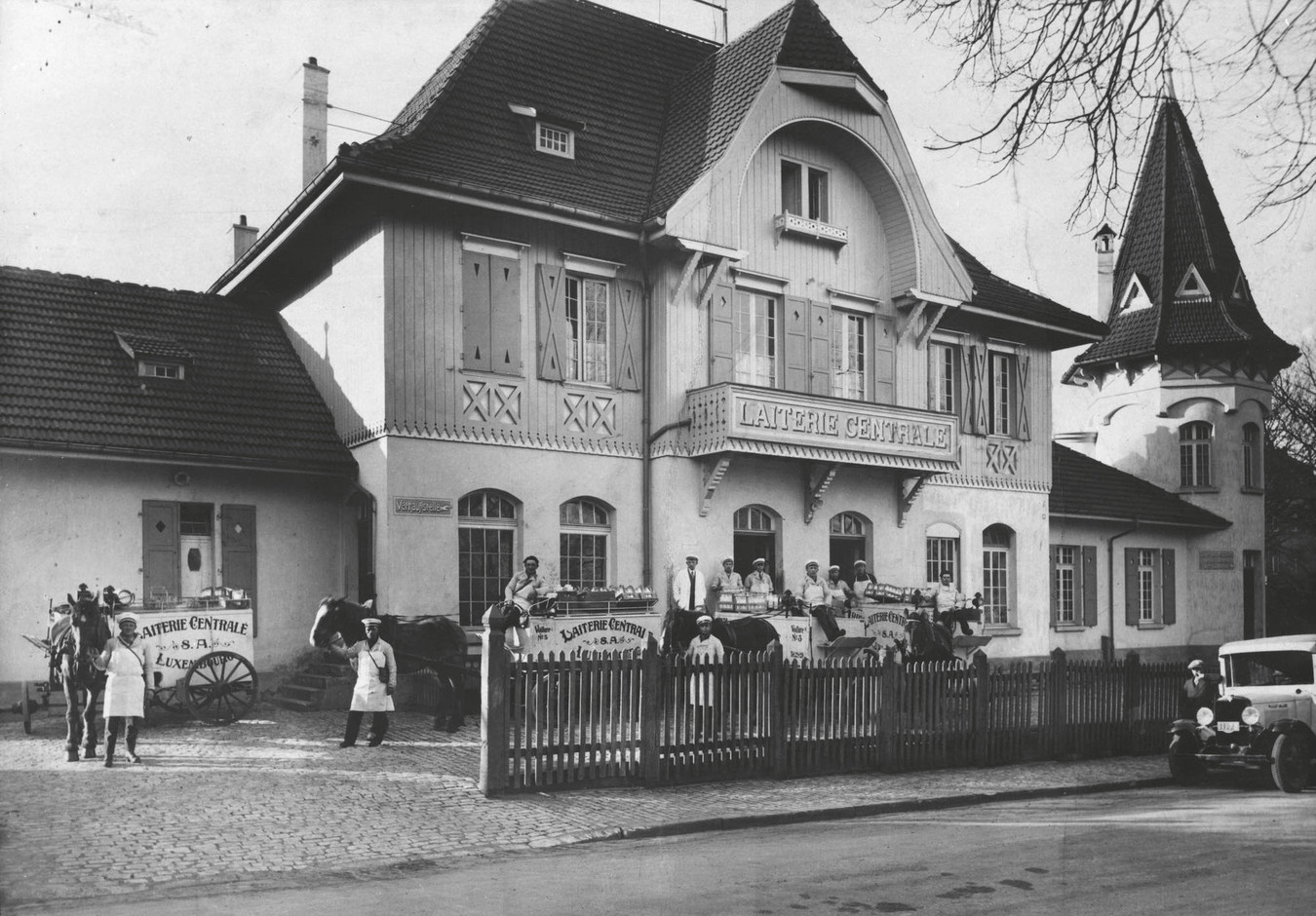
At the time, the cooperative was set up with a capital corresponding to €1,500 today.
And 130 years later, we have a turnover of €160m, 400 employees, two production sites, 25,000 cows and 300 farmers.
You joined Luxlait in 1996, before becoming CEO in 2018. What have been the main developments over the last three decades?
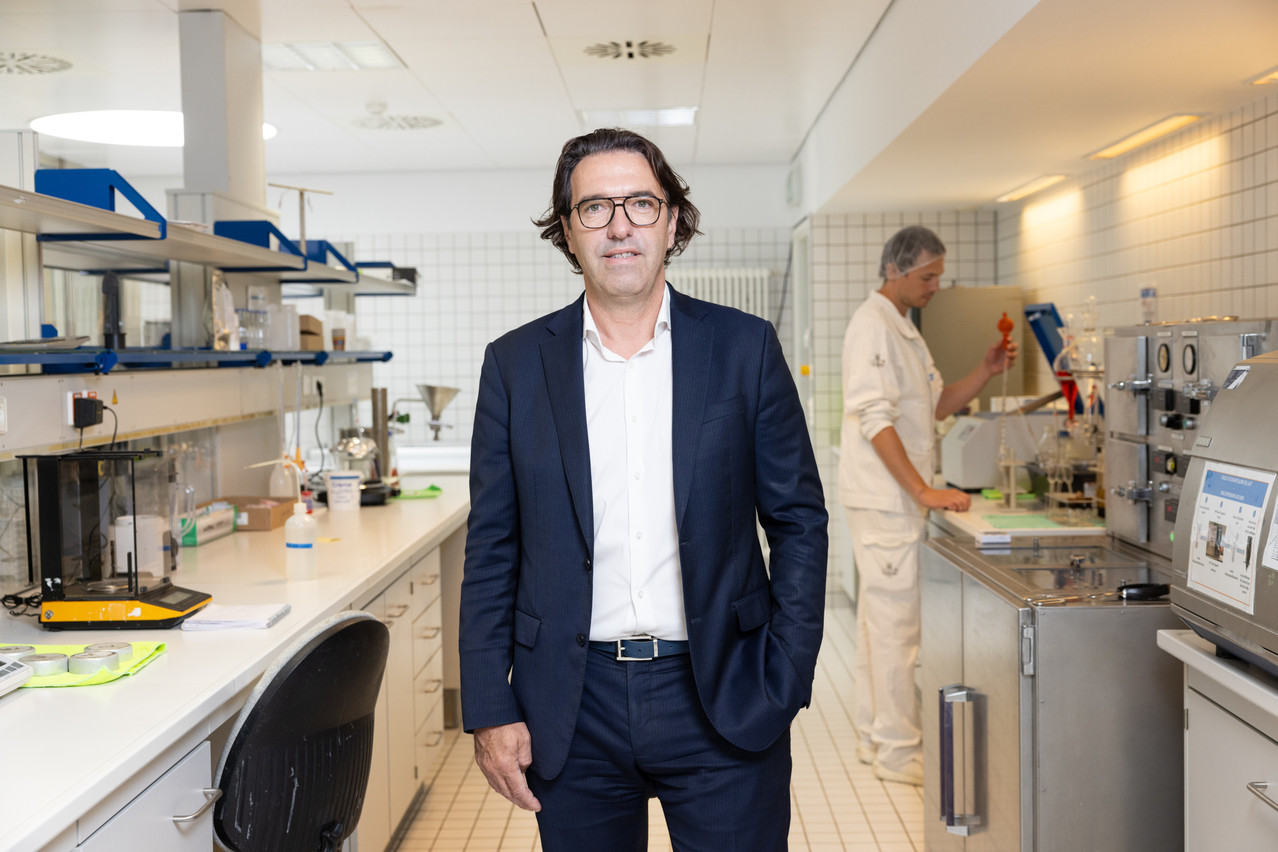
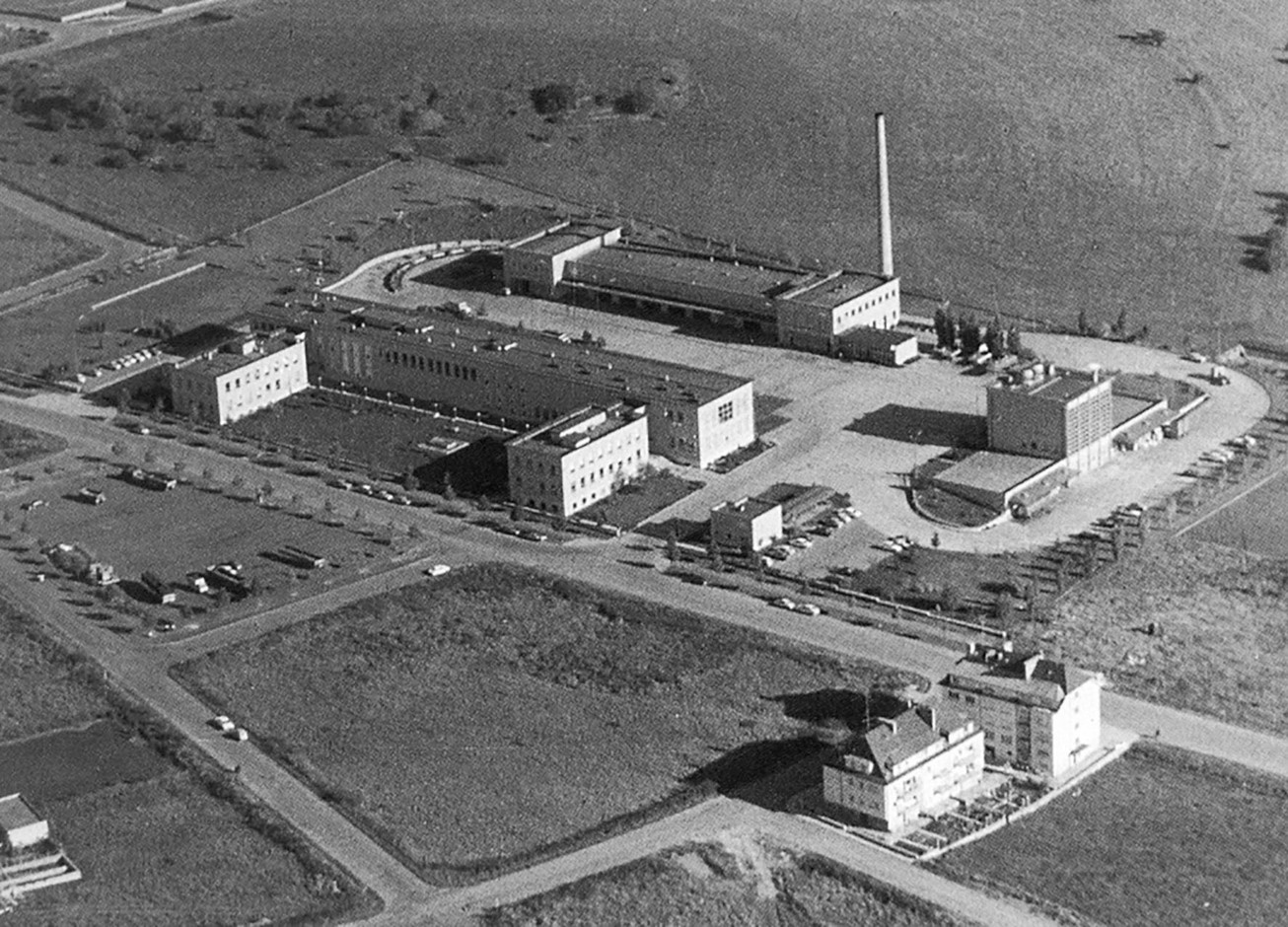
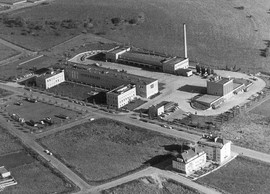
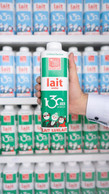
I joined Luxlait as a project engineer to develop the new plant. It took seven years to find the site. It was supposed to be Belval, then Mondorf, then Strassen... In the end, we decided to come to this site, in Bissen, which is the geographical centre of the country. The zero marker is located here. It was a wise choice, both environmentally and financially, because it optimises travel. What’s more, we’re going to attach a ‘0km’ label to our bottles of fresh milk and UHT milk.
0km outside our borders, since 100% of our milk is collected from Luxembourg farms and packaged at our two Luxembourg plants. And 0km in terms of our balance sheet... We travel 850,000km every year. When you divide this figure by the 180m litres of milk produced, you come up with 0.000.4km per litre. We’re a local company. The only one in the industry to have raw materials sourced in the country and processed in the country.
It’s an extremely difficult market. We’re in a hyper-competitive system.

Did the pandemic in 2020 chang anything in this quest for local products?
During the crisis, consumers often turned to local products. At the same time, the media were also very helpful, demonstrating that there had been too much offshoring and that companies needed to return to Europe. This desire to be local is still present in people’s minds today. But Luxembourg is an atypical country, with a 50% foreign population. Luxembourgers are born with Luxlait products, but the other half of the population is more interested in products that resonate with them. And which are available here. Lactalis on the French side and DMK on the German side have no trouble accessing the Luxembourg market. That makes it all the more difficult for us. Extremely difficult. We’re in a hyper-competitive system.
What does this mean?
That we export 70% of our production. In the private sector, manufacturers buy the raw materials they need. If it’s 200m litres of milk, they don’t buy any more. We, on the other hand, are different. We have to take all the milk that farmers give us. Since the end of quotas in 1995, we’ve gone from 125m to over 180m litres of milk... Before that, we were present in countries such as China. For environmental reasons, that’s over. I’ve increased our sales force in the Greater Region, and we’re staying in the countries around us: Germany, Belgium, the Netherlands, France, Italy and a little in Spain. I try to remain consistent with my ideas and convictions.
We are without doubt the most complex company in the industry to manage.

There is a Luxlait Italia. Should we expect other countries to follow suit?
We do a lot of private labels. This is the case in Belgium, Germany and the Netherlands, for example. In Italy, on the other hand, we only sell Luxlait products. This company was created because it’s easier to have a local entity to penetrate large and medium-sized retailers. The same could be said of the French market.
Don’t you ever think that you're always walking a tightrope?
Yes, I do. We’re probably the most complex company in the industry to manage. We have a raw material that we have to take, with volumes that change, and a quality that changes from day to day, and from season to season; the milk has to be stored in outdoor silos for no more than 24 hours; processing, then, results in products with a relatively short shelf life; and we have to find outlets. Nothing could be more difficult. But feeding people is exciting.
How did the agricultural crisis at the end of 2023 affect Luxlait?
This crisis wasn’t linked to prices, it was an expression of farmers’ being fed up with regulations that had become too onerous. We’re asking a lot of them. Too much. What’s more, Europe is currently reviewing its approach. OK, we want to respect the environment, we want greater sustainability, we’re aiming for zero carbon by 2050... But we also need to help farmers. We’re seeing this right now with the caps attached to bottles. These European regulations have cost us half a million euros, which has been spent on replacing some of our machines. Consumers are generally dissatisfied and the environmental impact is terrible, if only because of the obsolescence of certain machines. When change comes, farmers need support.
The successive crises of the last ten years have changed consumers’ expectations and mentality.

What are your environmental priorities?
We benefit from one of the most modern companies in Europe. We invested €150m in our new site, which has been in operation since 2011. And since then, we’ve invested around €50m. W’'re doing all this to be ever more innovative. In the past, our image has sometimes been a little old-fashioned. We used to refrain from going on social networks and we worked on two projects a year... Last year, 70 different projects were carried out. The R&D team has been strengthened. Innovation is about technology, but it’s also about serving our products. The successive crises of the last ten years have changed the expectations and mentality of consumers. Young people in particular. They're not just buying a product, they're also buying values.
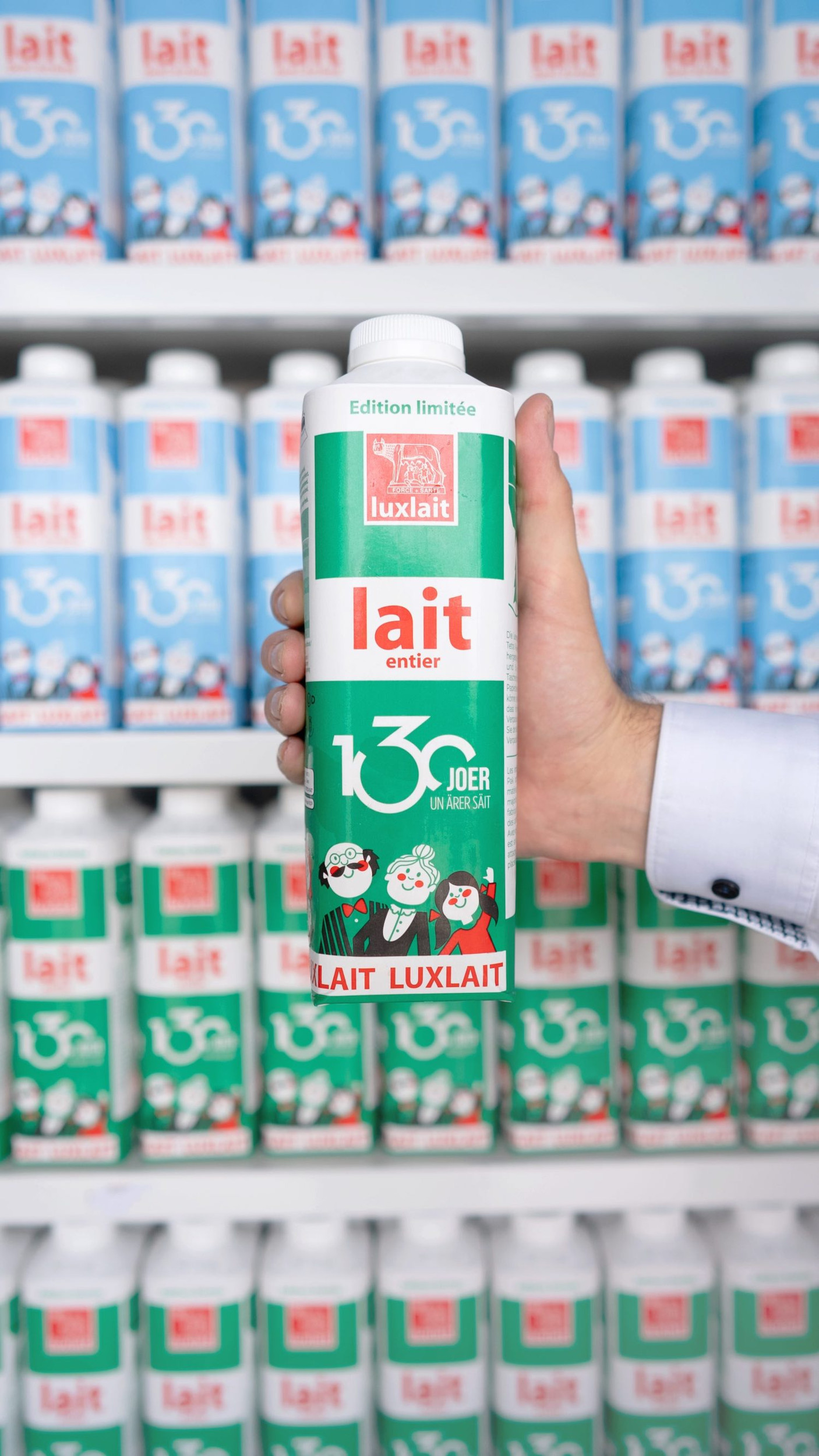
When I took over as CEO, we redefined our societal values together. The environment is at the top of the list. Our roof is fitted with photovoltaic panels, we have a wastewater treatment plant, and we’re working on methanisation as well as packaging, with €3m earmarked last year for the purchase of a machine to reduce our impact in this area... 20 tonnes of plastic have been saved. We buy plastic caps made from plant-based materials, rather than petroleum-based materials. All our cardboard comes from renewable forests. Yes, we invest a lot in the environment, sustainability, animal welfare... Our specifications are very comprehensive. But we also support our farmers.
How is your catalogue put together?
Luxlait has 135 recipes, representing 480 products available for sale. Some of them are shrinking. Fresh milk, for example, is in decline. But at the same time, we’re developing other products like lactose-free milk or skyr, which meets the expectations of consumers who no longer want fat, but protein. And even without fat, we’ve got a creamy texture thanks to the work of our engineers. Between now and the end of the year, we’re also going to be offering oat milk, in partnership with Moulins de Kleinbettingen. This does not exist in Luxembourg. We had to convince our milk-supplying members of the desirability of creating an alternative offer.
What does Luxlait expect from AI? Does it make your mouth water?
I want to use it at all levels. I’m also thinking of the technician faced with a problem on a machine: artificial intelligence will be able to retrace the history of the problem and suggest a solution. A phenomenal help. I welcome it with enthusiasm.
Read the original French version of this interview here