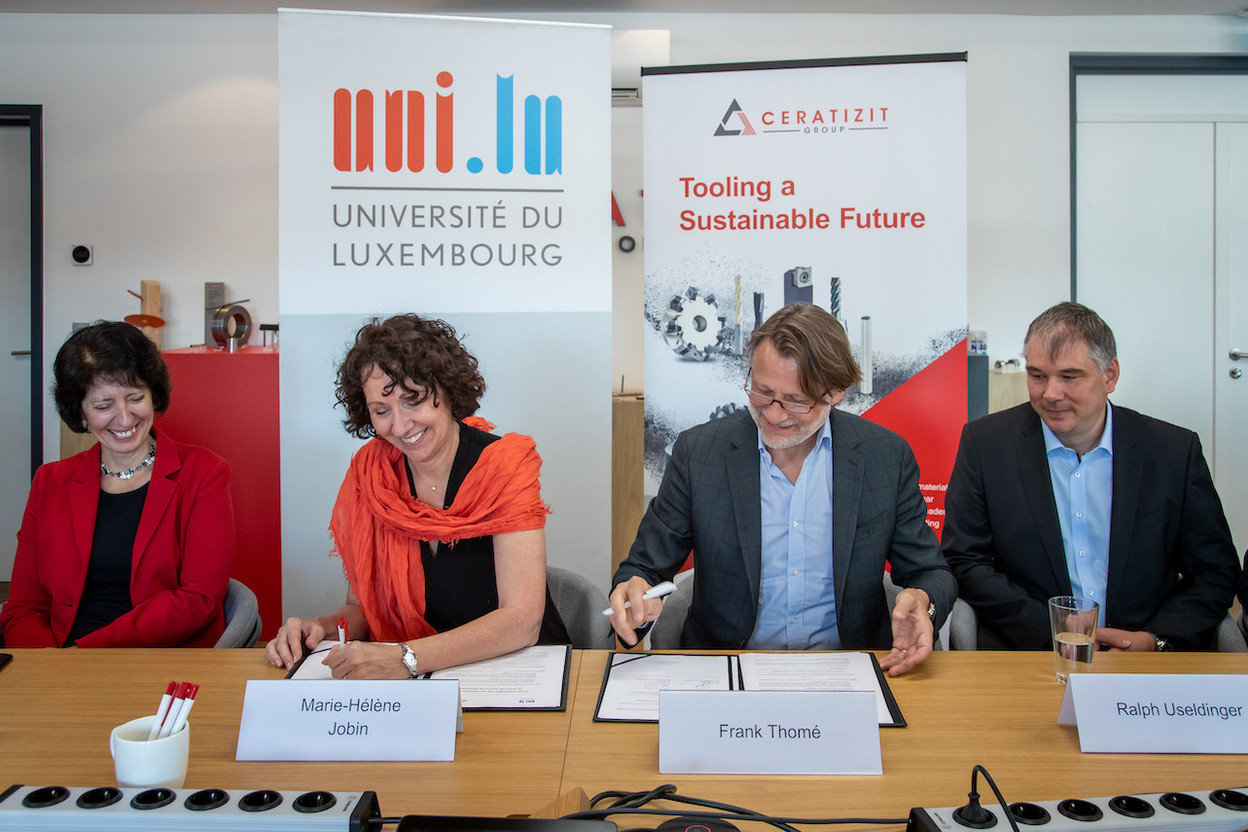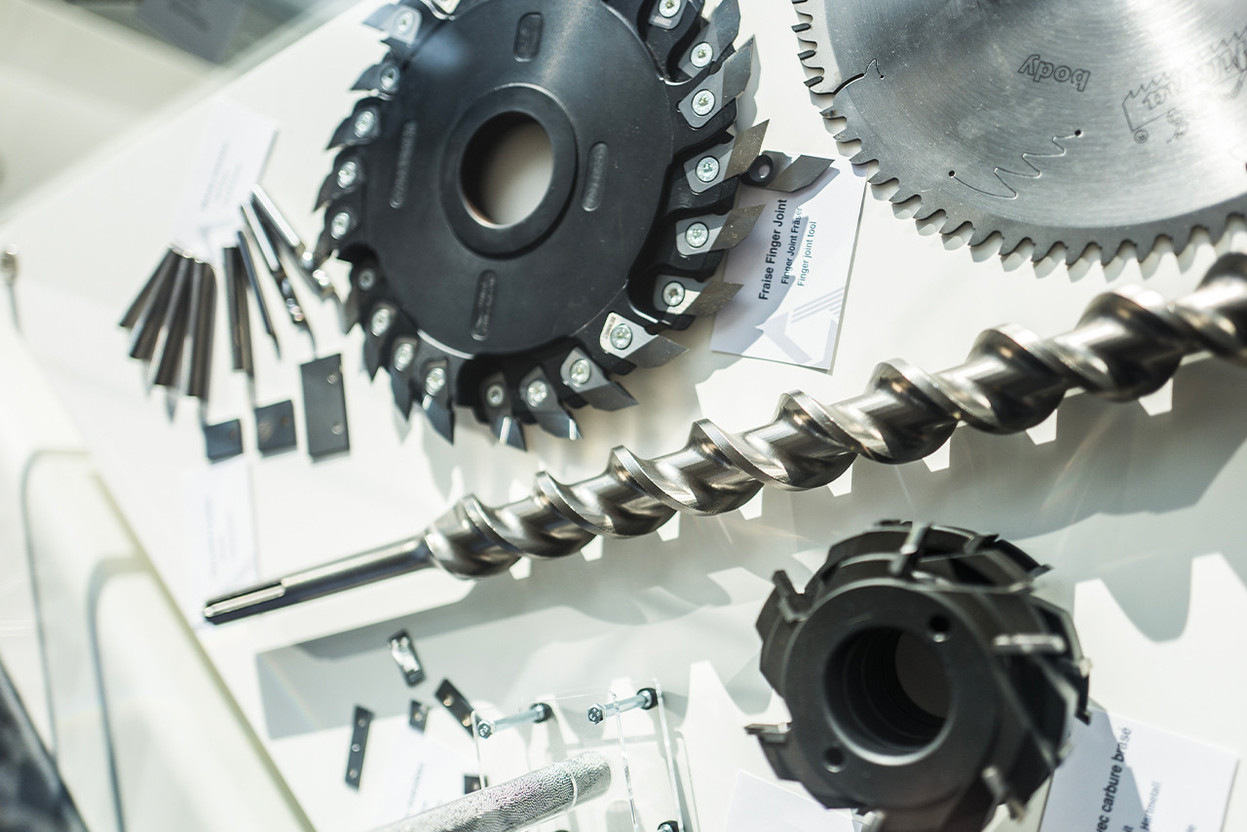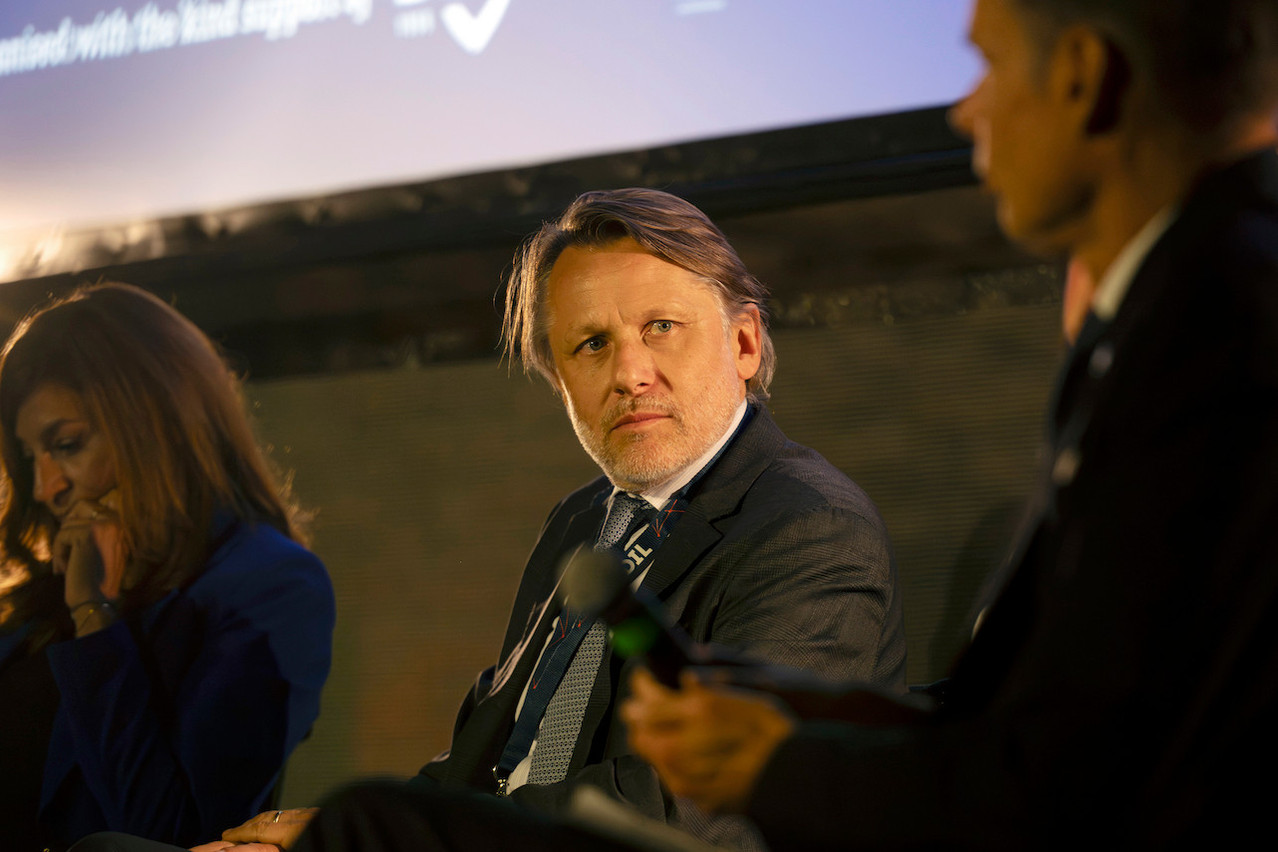
In a world of disruptions, tungsten is at the heart of strategic issues. "Tungsten is a highly strategic product. It has a melting point above 3,000 degrees and a very high density. Certain applications can only be made with tungsten: oil and gas, medical, semiconductors, aerospace, automotive, defence", Ceratizit board member Frank Thomé began by contextualising on Wednesday at the third edition of the Fedil back-to-school BBQ, sorry, Fedil Industry Day.
Problem: dependence. "85% of tungsten is produced in China. [...] Since the Trump administration introduced tariffs, China has responded with export restrictions. Instead of sending 15,000 tonnes of tungsten to the West, it has sent zero this year." And Beijing has refined its strategy: "They consume 70% for themselves and the West dries up. Now they are also buying scrap metal in Europe and on Western markets to dry up our market even more."
For Thomé, Europe should react like the United States or Japan: "Build up strategic reserves, sign long-term purchase contracts, develop European mines. But on the ground, nothing is moving. We need to move much faster."
If Ceratizit has held up, it's thanks to foresight: "We invested in mines decades ago. We are shareholders in the largest Western mine in South Korea. We have switched over 90% of our production to recycled materials. And in 2009, we bought the biggest collector of tungsten waste, which captures around 35% of the world's tungsten. Today, we are practically the only Western supplier capable of supplying the market. Tungsten prices have almost doubled, from $300 to $600. If you have a long-term vision, a supply chain that is not dependent on China and is diversified, you are in a good position."
Deciding where to produce: a "profit and loss"
On industrial location choices, Thomé is clear: "This is a classic income statement exercise. On the sales side, where do we create volume? It's a question of market size and growth, and customer proximity. That's why you can go to Asia. On the cost side: the cost of energy, which is a major disadvantage in Europe. Staff costs too: we have decided to close two sites in Germany for reasons of administrative and labour costs, and to relocate to Eastern Europe. Finally, if you optimise your volumes, you reduce your unit costs and you can stay in a high-cost country."
Supply chain: verticalise early, create redundancies. No miracle solutions: "There are no quick fixes. Either you identify your critical supply risks and deal with them through vertical integration, or you create redundancies to avoid disruptions."
Tariffs, far from being just a brake, can become an opportunity: "Under Trump, we were producing a lot in China for the United States. With the first tariffs, we were no longer competitive. We took €30m in sales out of China and relocated them elsewhere. [...] Today, with China, the situation is reversed: exporting from Europe to the United States costs 15% in customs duties, but Chinese products are hit at 65%. We used to be unable to compete with Chinese prices in America; today we are very competitive. And what's more, it's the American end customer who pays that 15% - not us. Sometimes it's an unexpected opportunity, but that's the way it is."
Customs engineering: turning constraint into advantage
In an unstable world, we can't count on long-term political stability. This is not the time to invest massively in India if tomorrow there are 100% tariffs. The only possible strategy: a broad, flexible and creative organisation."
Concrete example: "We collect scrap metal in Europe and send it to the United States, where we would have to pay 15% customs duty. But thanks to the duty drawback system, we don't pay them because we reimport it into Europe. Once processed in the United States, the scrap metal changes its origin: it becomes American. Then used in Europe to make tools for export to the United States, it contains a high 'USA' content - and escapes taxes. That's how you reinvent an economic model. You have to be creative."
Despite these gymnastics, the member of Ceratizit's management board remains firm on the substance: "The best tariff is no tariff. And it's the same for penalties. Companies always find ways around them. But that's not the right way: it costs a lot of energy and resources. The only real way forward is a world with fewer tariffs, fewer sanctions, a level playing field where the best man wins, not the man who imposes the highest barriers."
This article was originally published in French.