With 7,000 employees and more than 1,000 patents, Ceratizit intends--according to Frank Thomé, member of the executive board,--to guarantee the excellence of its materials, technologies and products through "consistent research, development and innovation.”
For her part, the vice-rector of the University of Luxembourg, Marie-Hélène Jobin, points out that the chair contributes to the sustainability of Luxembourg's high added-value production sector.
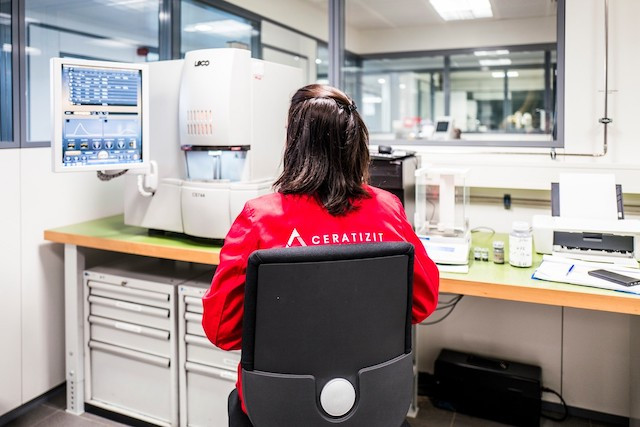
The chair, headed by professor Ralph Useldinger--who studied chemistry in Reims, completed his PhD at the Technical University of Vienna and has held several R&D manager positions at Ceratizit--will host two doctoral candidates and two postdocs. The projects will be based on the university’s infrastructures (laboratories, supercomputer) and those of the company.
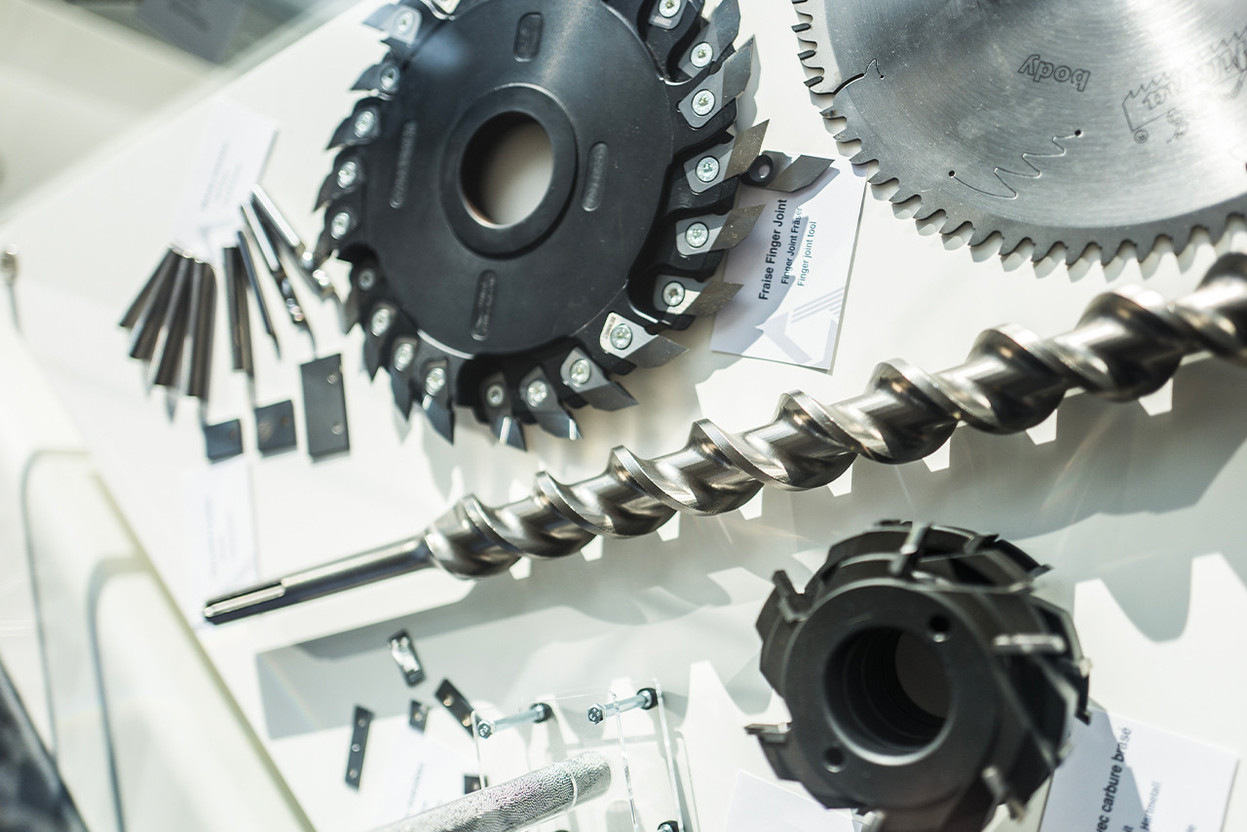
These hard materials are used when exceptional resistance to abrasion, extreme conditions or high temperatures is required. They are found in the manufacture of cutting tools, turbine elements, engine components, anti-wear coatings or corrosion-resistant systems, particularly in the automotive, aerospace, chemical or energy sectors.
At the Ceratizit chair level, interest in these hard materials focuses on optimising them for high-performance production, by pushing back the limits of durability, dimensional accuracy and chemical or thermal resilience.
This initiative addresses both regional and international issues, including two major challenges: the circularity of critical raw materials and the diversification of supply chains.
On the one hand, circularity is proving essential in strengthening Europe’s resilience to geopolitical tensions. Recycling elements such as lithium and rare earths reduces dependence on imports, particularly from China, which currently holds nearly 98% of the rare earths market and 97% of the lithium market. Progress has been made that directly supports the objectives of the European Critical Raw Materials Act (CRMA), adopted in 2023, which sets the following ambitions for 2030: extract 10%, process 40% and recycle 25% of critical materials requirements.
At the same time, the diversification of supply chains appears to be a major challenge in the face of Chinese domination. This dependence is all the more worrying given that the current CRMA policy prohibits any single country from supplying more than 65% of the critical materials consumed in the EU. Faced with the disruption caused by the pandemic, Russia’s ongoing war in Ukraine and trade tensions, the EU has launched a €22.5bn investment plan through 47 projects in 13 member states.
The key challenge is to guarantee a stable and sovereign supply chain in the strategic energy, healthcare, automotive and construction sectors, all of which depend on critical raw materials. By committing itself to these two areas, the Ceratizit chair is taking its place at the heart of this European dynamic. It will not only develop innovative recycling technologies but also train engineers and researchers ready to strengthen the EU's industrial autonomy.
This project is consistent with the collaboration begun in 2023 with the University’s Centre for Security, Reliability and Trust (SNT), which explores the use of artificial intelligence and data science in optimising production lines.
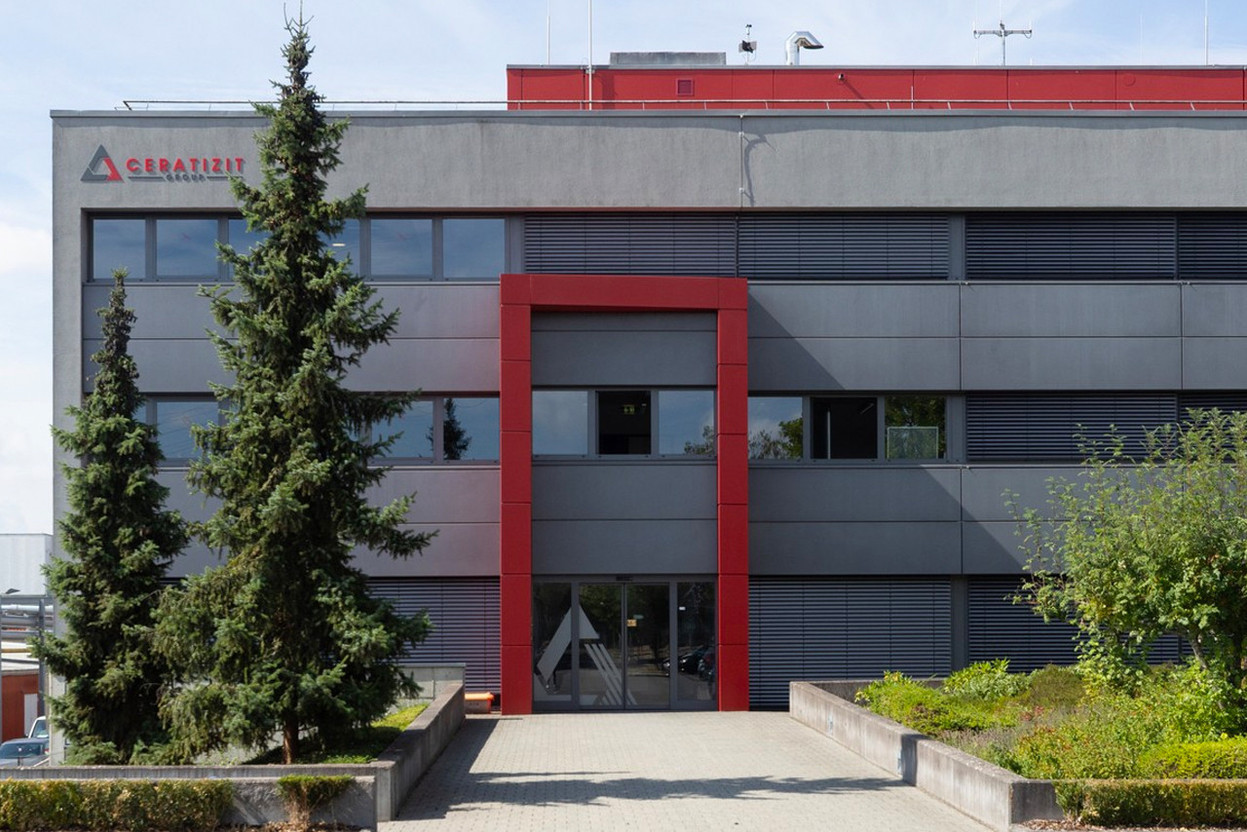
Ceratizit is one of two major components of the century-old Austrian Plansee Group, which specialises in the powder metallurgy industry specialising in molybdenum- and tungsten-based products. Its portfolio includes more than 100,000 different products, tools and components. Ceratizit was formed in 2002 when Plansee Tizit and Céramétal merged to form the new carbide specialist. Today, the Luxembourg-based company is one of the world leaders in cutting tools and hard material solutions.
This article was originally published in French.