After a subdued spring, new car registrations stalled between July and September 2025. 11,232 vehicles were registered over the period, compared with 12,591 in the previous quarter, a fall of 10.8%. However, the market is still 3.9% up on the third quarter of 2024 (10,805 vehicles). German cars still dominate the ranking.
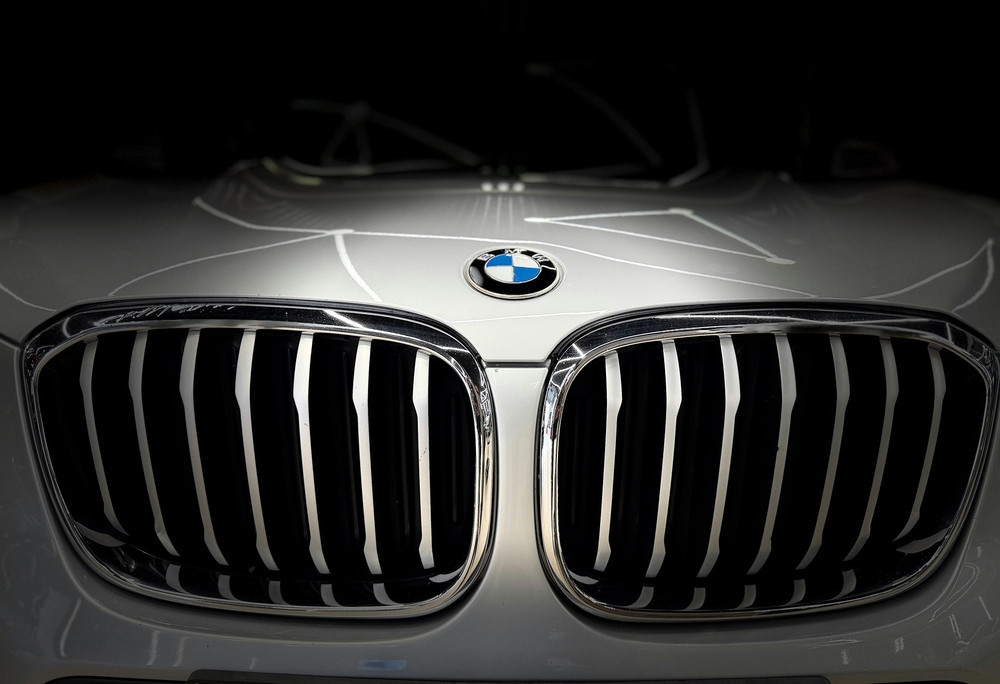
The third quarter of 2025 marks a small earthquake on the Luxembourg market: BMW takes the lead in registrations and dethrones Volkswagen, the historic leader. The Bavarian brand has made its mark thanks to a well-balanced range of hybrid and internal combustion engines, and a premium image that appeals to both private customers and corporate fleets. Volkswagen, in second place, remains solid with several models in the top 10, including the Golf, Polo and Tiguan, while Mercedes-Benz completes the podium, confirming German dominance on the roads of the Grand Duchy.
Behind this leading trio, Škoda and Audi - two other brands in the Volkswagen Group - are keeping up the pressure, further widening the gap with their pursuers. The French brands, Renault and Peugeot, are holding up well despite an increasingly competitive market. Last but not least, Korea's Hyundai and Kia continue to make steady progress, buoyed by their strategy of affordable electric models. This is a ranking where diversity is gradually taking hold, but where German rigour remains the benchmark. Ford remains in the ranking, but Volvo is out.
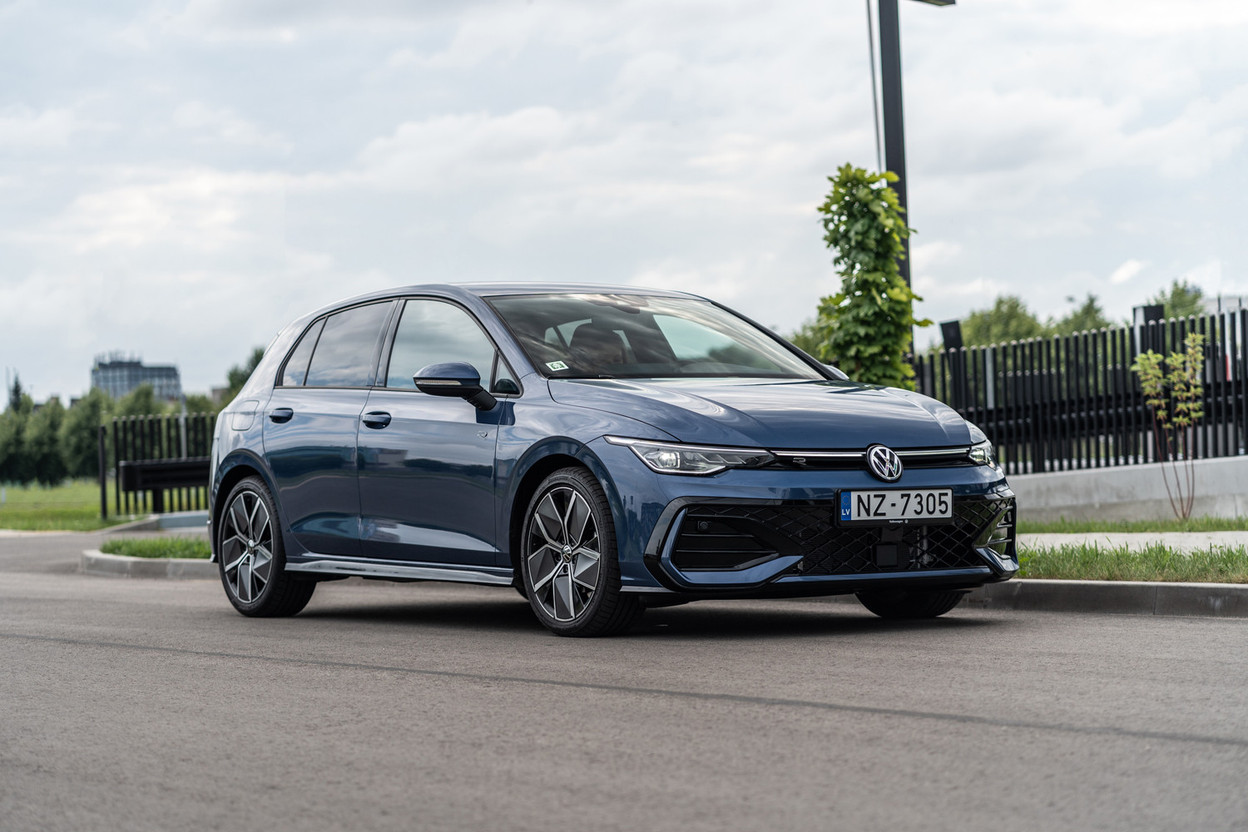
On Luxembourg roads, Europe retains pole position. Škoda's Kodiaq leads a ranking largely occupied by Volkswagen, with the Golf, Polo and Tiguan among the favourites. The Corsa, 2008 and Clio defend the Franco-Belgian colours, proving that compact city cars are still popular. In ambush, Ford's Puma and Nissan's Juke are reminders that brands from elsewhere also know how to seduce drivers in the Grand Duchy.
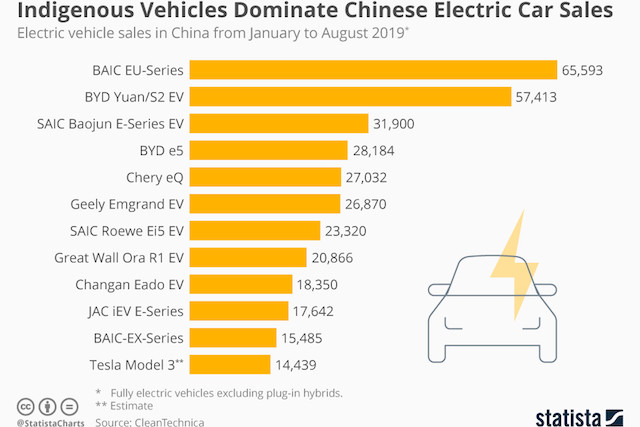
And in the middle of it all, Tesla's Model 3 returns to the rankings, bringing a Californian touch to a top dominated by European engines. Despite its number one position in terms of volumes, BMW does not place any vehicles in the top 10, its very broad model portfolio allowing it to place more than a hundred cars in the registrations.
Hybrid powertrains, whether simple or plug-in, together accounted for 39.1% of registrations in the quarter, confirming their central role in the energy transition of the car fleet. Petrol models remain slightly ahead at 26.2%, while pure electrics continue to grow at 25.3%. Diesel, now relegated to second place, now accounts for just 9.3% of the total. No major changes compared with last quarter, when the share of engines remained more or less the same.