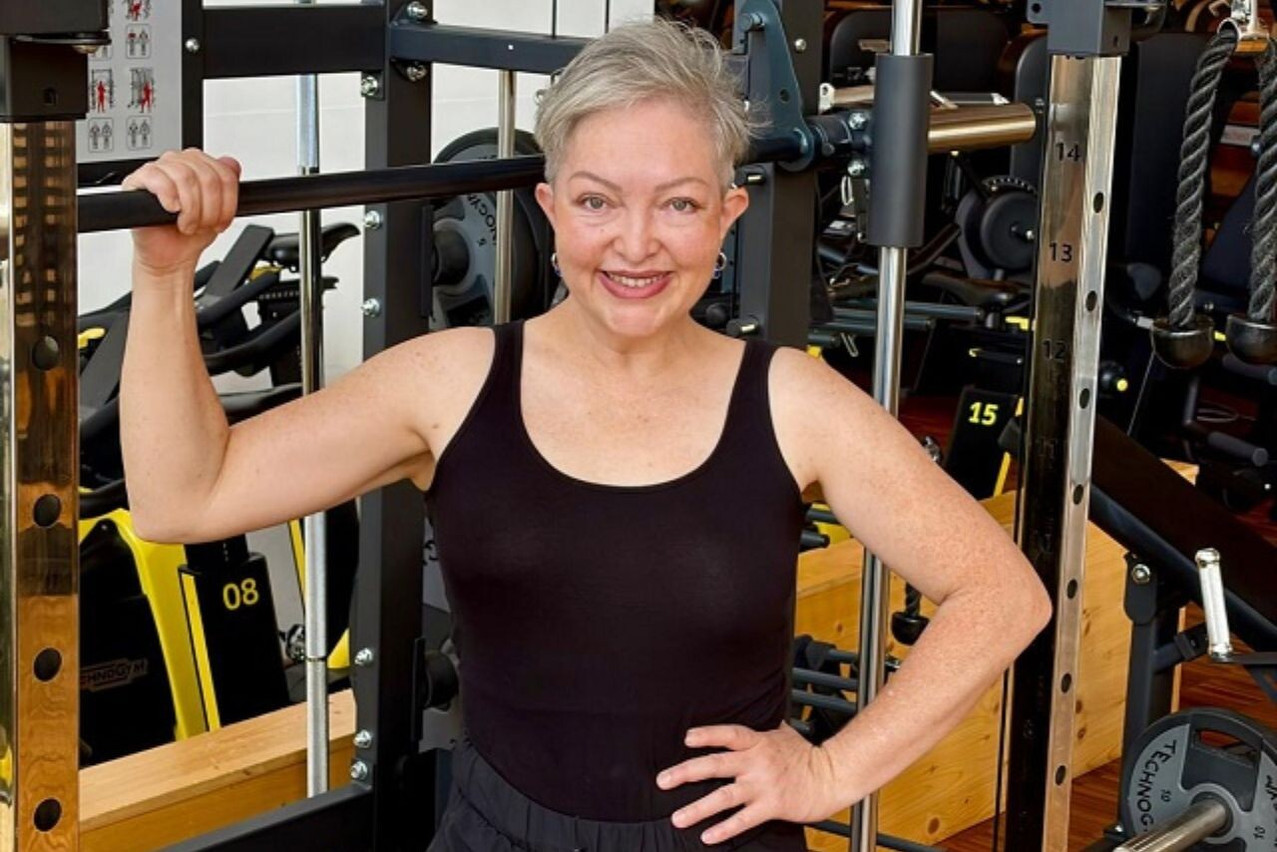
Diagnosed with breast cancer in 2024, Victoria Caro, an A&E doctor and founder of ActiveHeal, has made physical activity a cornerstone of her treatment journey. Drawing on her personal experience and medical knowledge, she now champions the benefits of tailored exercise during cancer treatment. In this account, she reflects on her battle with the disease, debunks common misconceptions about rest and shares her ambition to make therapeutic exercise accessible to as many people as possible.
Victoria Caro. – “I’m an A&E doctor. In 2024, I was diagnosed with breast cancer. Amidst the numerous operations, chemotherapy, radiotherapy and hormone therapy, I refused to simply sit back and accept my fate: I sought to take action to regain control.”
A coach specialising in cancer exercise supported me remotely, tailoring my sessions to each stage of my journey. Three strength training sessions a week, three days of cardio adapted to my condition and my treatments. I know that some days, you just don’t feel like it.
Fatigue, pain, the urge to just stay in bed. I’ve been there too. But I made the decision to go for it, and I finished every session with more energy, less pain, and my quality of life intact. I trained before and after the operations, and even whilst living with lymphoedema. I’m still doing it today, because exercise remains a cornerstone of my health. Above all, I’ve regained control over my own recovery.
Scientific research confirms the benefits of exercise in oncology. Muscle is an endocrine organ: when it contracts, it releases myokines that regulate inflammation and immunity. The Challenge trial (NEJM, 2025): 889 patients, 3 years of structured exercise, a 28% reduction in recurrence and a 37% reduction in mortality. Other studies confirm these benefits in terms of fatigue, anxiety and quality of life.
That is why I would like to dispel a common misconception: a person with cancer does not necessarily have to rest during their treatment. Exercise is not just for young people or athletes, and it is not contraindicated in cases of lymphoedema, a catheter or metastases. Each situation requires a medical assessment and a personalised programme.
This is what led me to train in lifestyle medicine and to complete a master’s degree in nutrition and exercise for cancer patients. This experience gave rise to ActiveHeal, a project aimed at establishing a therapeutic exercise centre for cancer patients.
Convinced by this evidence and my own experience, I now want to make this approach accessible to as many people as possible. Physical activity is a key ally during cancer treatment: it helps patients get through this period with greater vitality, strength and quality of life.
If you or a loved one is going through cancer, start getting active. 150 minutes of cardio a week – walking is enough to start with – and 2 to 3 strength training sessions a week. Ideally with a qualified professional. Movement is life, especially when you’re living with cancer. The first step is yours to take. Be patient, yes. But don’t be passive.
“Thank you to Vitaly Fit for their trust and for providing this platform.”
Victoria Caro, an A&E doctor and founder of ActiveHeal (activeheal.org).
For further information, please visit www.vitaly-fit.lu.
This promotional article was written by Vitaly Fit as part of the company’s membership of the Paperjam Club. If you would like to become a member of the Club, please contact us at club@paperjam.lu.